Leave Your Message

China Top 10 Mini Stone Crusher Manufacturers in 2026?

A Mini Stone Crusher can look convincing in a catalogue, yet struggle when fed damp, uneven rock. For buyers comparing China’s leading manufacturers in 2026, the useful questions are practical: What stone will it process? What output size is required? Can the machine fit the site, power supply, and maintenance routine? These details matter more than a bold capacity figure.

Mineral-processing specialist Barry Wills has written extensively about evaluating separation and processing performance. A buyer’s takeaway from that work is simple: “Measure the feed, output, and wear—not just the quoted capacity.” This is a practical summary, not a direct quotation. For a crusher, inspect the feed opening, jaw or hammer design, discharge adjustment, motor rating, and access to wear parts. Ask for test results using material similar to your own. A dusty yard demonstration may not reflect a wet, abrasive quarry.

This guide introduces ten Chinese manufacturers and the factors that help distinguish them, including product range, customization, service support, and evidence behind performance claims. Manufacturer rankings can change as models, export networks, and customer needs evolve. Treat any list as a starting point, not a guarantee. Even a well-built machine may disappoint when its feed size or operating conditions are poorly matched. That deserves a closer look.
China Top 10 Mini Stone Crusher Manufacturers in 2026?

What Defines a Mini Stone Crusher and Where Is It Used?

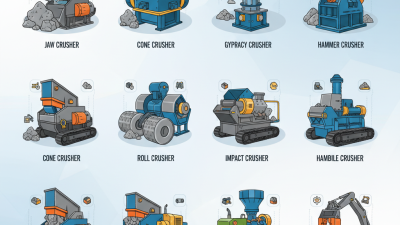
A mini stone crusher is a compact machine that reduces rock or construction debris into smaller, more manageable pieces. “Mini” usually describes its footprint and processing scale, not a fixed size or output. That distinction matters. A small jaw crusher may suit hard, uneven feed, while other designs handle different materials. Buyers should check feed opening, discharge adjustment, motor power, and rated capacity against the actual job. Capacity can drop when stone is wet, sticky, or unusually hard.

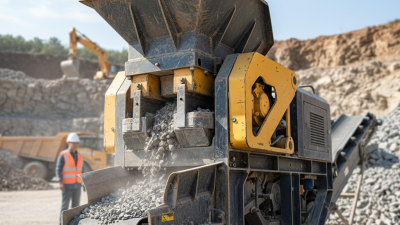
These crushers are used at small quarries, on rural road projects, and at construction sites where hauling bulky material is costly. A machine can turn broken concrete or stone into aggregate for suitable fill, depending on local specifications and material quality. Picture a compact unit beside a stockpile, with dust control and clear access for loading and maintenance. Small sites still need trained operators and careful guarding. Portable does not mean effortless. Noise, dust, wear parts, and uneven feed can complicate daily work. A crusher that looks convenient on paper may be too slow for a demanding site, so practical trials and realistic production estimates are worth considering.
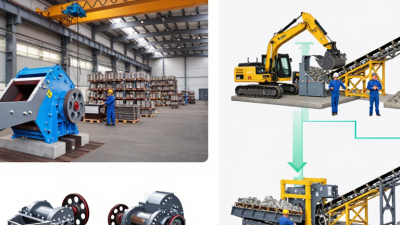

How China’s Mini Stone Crusher Market Is Organized in 2026

China’s mini stone crusher market is better understood as a supply chain than a simple top-ten ranking. The China Sand and Gravel Association’s 2023 industry reporting put domestic aggregate output at roughly 15.1 billion tonnes. That scale supports demand from quarries, road projects, and small recycling yards, but it does not measure mini-crusher sales directly. The distinction matters. “Mini” has no single market-wide size definition.

Manufacturers typically supply compact jaw or impact units through regional dealers, engineering contractors, and equipment-rental channels. Component suppliers provide motors, bearings, screens, and wear parts; local service teams handle installation and repairs. China Construction Machinery Association data recorded 195,018 excavator sales in 2023, including domestic sales and exports. This is useful context for the wider equipment ecosystem, not proof of crusher demand. Buyers should compare feed opening, hourly capacity, discharge size, power needs, and replacement-part access. A machine that fits a narrow site may still struggle with wet or highly abrasive stone. Reports also group products differently, so rankings can be misleading. The market is organized, but not perfectly transparent.

Criteria for Comparing Chinese Mini Crusher Manufacturers

When comparing Chinese mini stone crusher manufacturers, match each machine to the same feed material and operating conditions. Ask for the maximum feed size, adjustable discharge range, and hourly capacity at a stated setting. A capacity figure without those details is hard to trust. Request a test using representative stone, such as the actual hardness and moisture level expected at the site. Check the output for oversize pieces and uneven grading. Small details matter: access panels should open safely, adjustment points should be reachable, and routine lubrication should not require awkward tools. A polished brochure proves little.

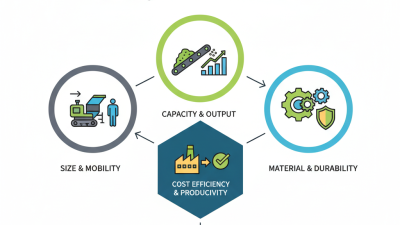
Compare build quality through drawings, material specifications, inspection records, and clear photographs of welds and wear-part installation. Ask which components need regular replacement, how long they typically last under comparable use, and whether parts are stocked locally or shipped on request. Review the warranty in writing, along with installation guidance and the response process for technical questions. Quotes should separate the crusher, motor, electrical controls, spare parts, and freight. A low price can hide missing essentials. It is easy to overvalue headline capacity; I would also compare energy use and downtime, though these figures are not always reported consistently. Insist on comparable evidence, not just confident claims.

China Top 10 Mini Stone Crusher Manufacturers in 2026? — Criteria for Comparing Chinese Mini Crusher Manufacturers
No. Comparison Criterion What to Compare Evidence to Request or Verify Practical Evaluation Method
1 Crusher Type and Application Identify whether the offered machine is a jaw, impact, cone, or hammer crusher, and whether it suits the intended material and reduction stage. Model-specific technical datasheet, machine drawings, and written application guidance for the stated rock or recycled feed. Compare machines designed for the same material and process role; different crusher types are not directly interchangeable.
2 Feed Size and Discharge Setting Check maximum feed size and the available discharge adjustment range for the exact model. Manufacturer’s model-specific specifications and a written confirmation that the proposed feed can be processed. Match the feed size and target product size to the machine’s stated limits; do not rely on a generic product-page range.
3 Rated Capacity and Test Conditions Compare throughput only when material, feed grading, moisture, feed size, and discharge setting are comparable. A capacity statement identifying its operating conditions; where possible, request a witnessed test or customer reference for a similar application. Treat tonnes-per-hour figures as condition-dependent estimates, not guaranteed output unless the contract defines the test conditions and acceptance criteria.
4 Motor and Power Requirements Review installed motor power, voltage, frequency, starting method, and expected power supply requirements. Motor nameplate details, electrical diagram, and a model-specific power and connection specification. Confirm compatibility with the site supply and compare energy use on the same production basis, rather than comparing motor power alone.
5 Wear Parts and Maintenance Assess the availability and replacement process for wear components such as jaw plates, blow bars, hammers, or liners, as applicable. Wear-part list, material specifications, replacement instructions, and a written quotation for commonly replaced parts. Compare expected service intervals only where operating conditions are stated; verify part compatibility and ordering details before purchase.
6 Safety and Documentation Check guarding, emergency-stop provisions, operating instructions, maintenance instructions, and hazard information. Risk and safety documentation relevant to the machine and destination market. ISO 12100 provides general machinery risk-assessment and risk-reduction principles. Review the actual machine documentation and design; a reference to a standard alone does not establish that a particular machine complies with it.
7 Quality Management Evidence Assess whether the manufacturer has documented production and quality-control processes. If an ISO 9001 certificate is claimed, verify its validity, scope, issuing certification body, and covered site. Treat ISO 9001 certification as evidence of a quality-management system, not as a guarantee of crusher performance or product quality.
8 Factory Inspection and Traceability Review how the supplier checks assembly, critical components, and machine operation before shipment. Inspection and test records for the quoted unit, serial-number identification, component records, and an available factory or third-party inspection option. Use the purchase contract to define the inspection scope, documents, and acceptance process for the specific machine.
9 Warranty and After-Sales Support Compare warranty duration, covered components, exclusions, response channels, and technical-support arrangements. Written warranty terms, service contact details, troubleshooting procedure, and the process for warranty parts or claims. Compare the actual contract terms; do not assume that warranty coverage or service response is the same across suppliers.
10 Delivery, Installation, and Total Cost Include machine price, included accessories, packaging, shipping terms, installation needs, spare parts, and operating costs. Itemized quotation, stated delivery terms, packing details, installation requirements, and a list of items excluded from the offer. Compare quotations on the same delivery basis and configuration, and evaluate total ownership cost rather than purchase price alone.

Note: This is a comparison framework, not a ranked list of ten named manufacturers. Capacity, output size, power, warranty, and delivery figures vary by model, configuration, material, and contract; verify them with model-specific documents before making a purchasing decision. CE marking, where applicable, concerns conformity requirements for the relevant market and should not be treated as a general quality rating.

Profiles of Ten Chinese Mini Stone Crusher Manufacturers

China Top 10 Mini Stone Crusher Manufacturers in 2026?

Profiles of Ten Chinese Mini Stone Crusher Manufacturers

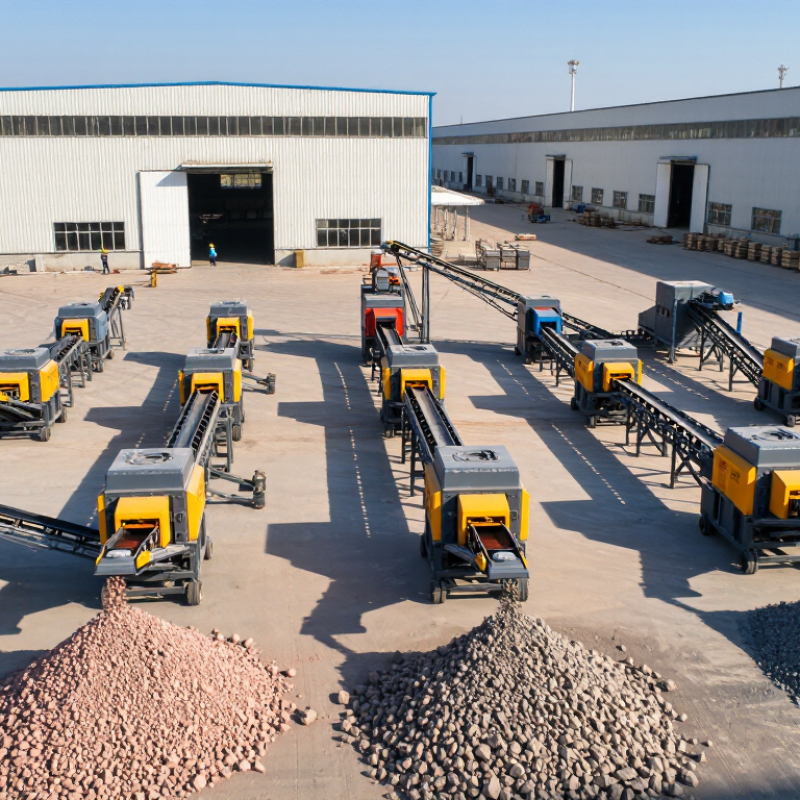
China’s mini crusher market includes workshops and larger equipment producers. These ten profiles describe common supplier strengths, not verified company rankings. One manufacturer may focus on compact jaw crushers for small quarries, while another builds mobile units for changing work sites. A third may offer simple hammer crushers for softer stone. There are also makers specializing in cone units, modular plants, diesel-powered machines, electric models, and custom feed systems. Two more supplier types emphasize spare-parts availability and made-to-order frames. Details matter.

A useful comparison starts with the rock, not the brochure. Ask each supplier for feed-size limits, expected output, motor power, and finished-product range. Request a recent test report using stone similar to yours. Photos of a real workshop can help, but they do not prove machining accuracy. Check the thickness of wear plates and ask how quickly replacement parts can be shipped. Small machines still need stable foundations and careful feeding. That is easy to overlook. Specifications may also change between batches, so confirm them in writing before ordering. A credible manufacturer should explain limitations clearly, including noise, dust, and maintenance needs. If answers stay vague, keep comparing.

How to Assess Suppliers, Equipment, and After-Sales Support

Choosing a mini stone crusher supplier takes more than comparing quoted prices. Ask for a process layout based on your feed rock, target output, and available power. Request a sample test when possible. A machine that performs well with clean, uniform stone may struggle with damp, mixed feed. That difference matters.

Inspect the equipment in person or through a live video call. Check welds, guards, bearing access, belt alignment, and whether wear parts can be replaced without dismantling much of the unit. Ask for rated capacity under stated conditions, not just a best-case figure. If possible, speak with an operator processing similar stone. Small details reveal a lot.

After-sales support should be specific and documented. Confirm installation guidance, spare-part lead times, warranty limits, and response hours before paying a deposit. Ask how troubleshooting works when a crusher stops during a busy shift. Request a parts list and service record. Remote help is useful, but it cannot replace clear diagnostics or locally available wear components. Actual output still varies with feed size, moisture, and operator habits. Get those assumptions in writing.