How to Choose the Best Granite Crusher for Your Needs?
Choosing the right Granite Crusher is crucial for any construction project. The type of granite crusher you select can significantly impact efficiency and output quality. With so many options available, it’s easy to feel overwhelmed.
Granite crushers come in various sizes and specifications. Each type serves a unique purpose. For small-scale jobs, a smaller, portable unit may suffice. Larger operations might require more robust machines to handle heavier loads and larger pieces of granite.
Consider your project requirements carefully. Think about the volume of granite you need to crush. Reflect on the hardness and density of the granite itself. Choosing wisely can save time and prevent costly mistakes. A well-suited granite crusher enhances productivity and ensures project success.
Understanding the Different Types of Granite Crushers Available
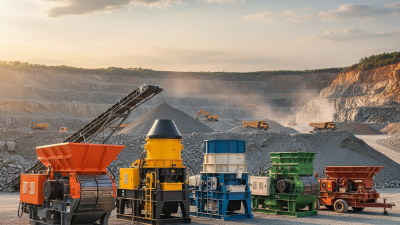
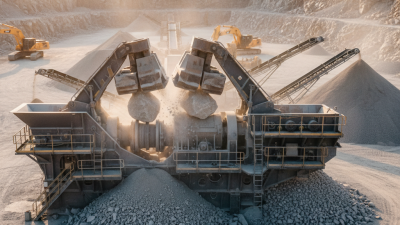
When choosing a granite crusher, it’s essential to understand the types available. Each type serves distinct purposes and fits into varying project requirements. For instance, jaw crushers are popular for primary crushing. They break down large granite blocks into smaller pieces, making them easier to handle. Their design allows for high efficiency, yet they may struggle with extremely hard materials.
Cone crushers, on the other hand, excel in secondary crushing stages. They produce finely crushed granite and are ideal for shaping. However, they can be more complex to maintain. Impact crushers deliver rapid results, making them suitable for projects requiring speed. But they might compromise on size uniformity.
Choosing the right crusher demands reflection on your specific needs. Consider factors like material hardness, desired output size, and maintenance capabilities. Each option has its strengths and weaknesses. Therefore, weighing the pros and cons can lead to a more informed decision.
Key Factors to Consider When Choosing a Granite Crusher
Choosing the best granite crusher for your needs requires careful consideration of several key factors. One important aspect is the size and type of granite you plan to process. Larger stones may need crushers with greater power and capacity. Think about the dimensions of your quarry or site. Smaller, portable models can be beneficial for limited spaces.
Another factor is the material composition of your granite. Different granites have varying hardness levels and require distinct crushing mechanisms. Assess how frequently you will be using the crusher. If you have continuous usage, investing in a durable machine could save costs in the long run. Don't overlook maintenance. A machine that is hard to maintain may lead to unplanned downtime and frustration.
Lastly, consider the availability of spare parts and support services. A reliable supplier is key for ongoing operations. You might face challenges in sourcing parts for less common models. A lack of expertise in operating or maintaining the crusher can lead to inefficiencies. Reflect on your long-term goals and consult with experienced professionals to clarify your needs. Making a rushed decision may result in regrettable outcomes. Choose wisely to ensure you have a machine that can grow with your business demands.
Granite Crusher Performance Comparison
Assessing Your Project Requirements and Material Characteristics
When selecting a granite crusher, understanding your project requirements is crucial. Different projects demand various sizes and types of crushed granite. Are you working on a small landscaping project, or is it a large construction site? The scale influences the type of crusher you need. For small jobs, a portable model may suffice, but larger tasks may benefit from a more robust stationary machine.
Material characteristics also play a significant role. Granite is dense and gritty, requiring a crusher that can handle hard materials effectively. You might find that some crushers excel in size reduction, while others are more efficient at producing uniformly sized gravel. Evaluating the end product's specifications can help you choose appropriately.
Reflect on the crushing method as well. Jaw crushers are great for primary crushing, while cone or impact crushers are better for secondary stages. Consider wear rates and maintenance needs. Some machines may require frequent adjustments, impacting project timelines. Balancing performance and reliability is key to your project's success.
Comparing Cost, Performance, and Maintenance of Granite Crushers
When selecting a granite crusher, cost plays a pivotal role. Prices can vary significantly based on performance and features. However, an expensive machine doesn’t always guarantee efficiency. Some affordable models perform well, while high-priced options could underdeliver. It’s crucial to analyze the cost-to-performance ratio carefully. Research user reviews and seek advice from industry experts to understand true value.
Performance is another key aspect. A granite crusher needs to handle tough materials effectively. Look for machines that offer various features, such as adjustable crushing settings. These allow customization for different project needs. However, be mindful of potential trade-offs. A machine with higher capacity may consume more energy and require more frequent maintenance. Balance is essential.
Maintenance can be overlooked but is vital for longevity. Frequent maintenance checks are needed to avoid costly repairs. Understand the maintenance requirements before finalizing a choice. Some high-performance models may demand more technical skills to service. Exploring user experiences may reveal challenges that manufacturers do not disclose. This reflection is necessary for making an informed decision.
Reviewing Customer Feedback and Expert Recommendations
When choosing a granite crusher, customer feedback is essential. Real users share their experiences, highlighting both pros and cons. Many note the importance of ease of use. A model that’s too complex can lead to frustration. Users suggest looking for features that match specific needs, such as production capacity and material size.
Expert recommendations can guide your decision. Professionals in the field emphasize durability and maintenance. They caution against overly cheap options. Quality often reflects in long-term performance. Some experts point out that not all models are created equal. There can be significant differences in efficiency and lifespan.
Consider the insights from both customers and experts. These perspectives can reveal common issues such as overheating or excessive noise. Pay attention to any recurring themes in reviews. This information can help in making an informed choice. Yet, it’s wise to approach feedback critically. Not all ratings are equally reliable. Reflecting on these factors can ensure a better purchasing experience.