How to Choose the Best Mining Machinery for Your Project?
Choosing the right mining machinery for a project is critical. Expert John Smith, a leading figure in the mining industry, once stated, "The right equipment can make or break a project." His words resonate deeply in today’s competitive market.
Mining machinery is diverse, ranging from excavators to drill rigs. Understanding each type and its function is crucial. Not every machinery suits every project. For instance, some sites require compact equipment, while others need heavy-duty machines. Making a wrong choice can lead to delays and increased costs.
Additionally, factors like terrain, material type, and project scale must be considered. Reflecting on one’s unique requirements can lead to a better decision. The market is constantly evolving, and staying updated is essential. Investing time in research is necessary, yet many overlook this step. In the end, the success of a mining project heavily relies on the appropriate selection of machinery.
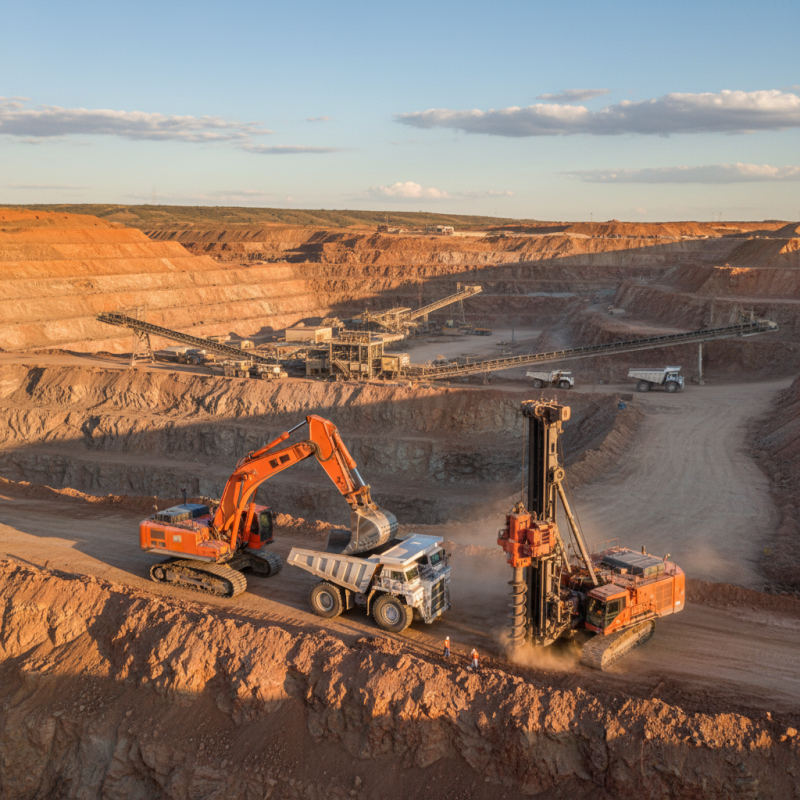
Understanding the Different Types of Mining Machinery Available
When choosing mining machinery, understanding the various types available is crucial. There are several categories, each serving specific functions. Excavators, for instance, are ideal for digging and moving earth. They come in different sizes, but choosing the right size can impact your efficiency. Too small, and you waste time; too large, and you may face logistical issues.
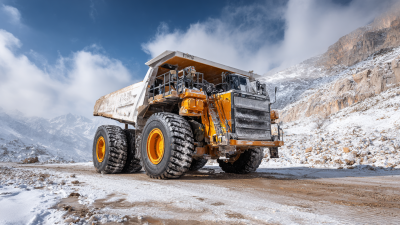
Dump trucks are another essential type. They transport materials from one site to another. It’s important to consider the load capacity. Overloading can cause mechanical failures. It might be tempting to opt for a larger capacity truck, but this choice can lead to increased operational costs.
Drilling equipment is vital for exploration. Different mining sites require different drilling methods. Some projects need deep drilling, while others can operate with surface methods. Workers often struggle with outdated machines. It's important to balance budget constraints with the need for reliable, modern equipment. This choice can affect safety and productivity directly.
How to Choose the Best Mining Machinery for Your Project?
| Type of Machinery |
Application |
Advantages |
Considerations |
| Excavators |
Digging and earthmoving |
High versatility, powerful digging |
Cost of maintenance and fuel |
| Bulldozers |
Pushing large quantities of soil |
Strong build, excellent for heavy-duty work |
Limited maneuverability in tight spaces |
| Haul Trucks |
Transporting materials |
High payload capacity, suitable for long distances |
Fuel efficiency and maintenance costs |
| Drills |
Drilling holes for explosives |
Precision and efficiency in drilling |
Training necessary for operators |
| Loaders |
Loading materials into trucks |
Versatile, can handle various material types |
Space requirements and visibility issues |
Assessing Project Requirements and Conditions for Machinery Selection
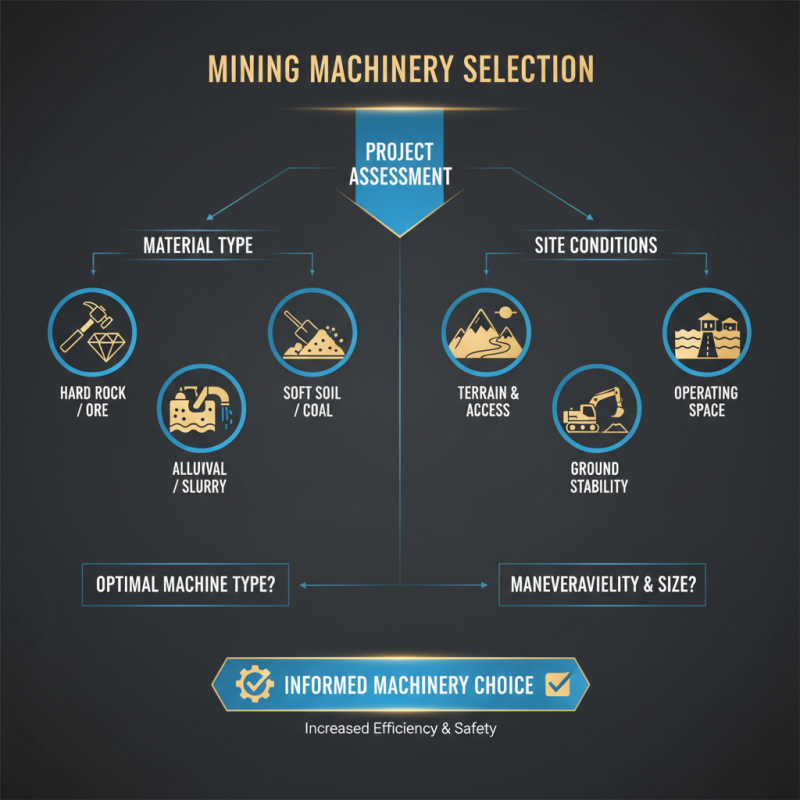
Selecting the right mining machinery is crucial for any project. Understanding project requirements and conditions will guide this selection. Consider the type of materials you'll be working with. Different machines perform better with specific materials. Also, evaluate the site conditions. Are the terrain and soil stable? Is there sufficient space for maneuvering?
**Tips:** Know the limitations of your resources. Not every machine fits every situation. Sometimes, smaller machines can be more effective in tight areas. Assess the total cost of ownership too; maintenance matters. Ensure your choice aligns with your project's long-term needs.
Project scale influences machinery needs. For larger operations, heavy-duty machines may seem ideal. However, they can lead to inefficiencies. Smaller projects might benefit from versatile, lighter options instead. Reflect on how your project evolves over time. It's essential to choose machinery that adapts to changing conditions, not just what seems popular.
**Tips:** Don’t rush into decisions. Gather input from experienced team members. Their insights could reveal overlooked aspects. Complacency in machinery choice can derail a project, so take the time to analyze thoroughly.
Evaluating Machinery Performance, Efficiency, and Reliability
When evaluating machinery performance, consider its operational capabilities. The right equipment must handle the project's demands effectively. Look at the specifications closely. How much material can it move? What is the required fuel efficiency? These factors heavily influence productivity and costs. High-performance machinery may seem ideal, but it often comes with higher maintenance needs. Balance performance with longevity.
Efficiency is another critical element. Analyze how the machinery impacts workflow. Does it reduce downtime? Think about how it interacts with other equipment. A machine that complements existing tools can boost productivity. However, a lack of compatibility can lead to issues. Some machines may perform well alone but fail in a team setting. Reflect on your current setup before investing.
Reliability shapes the overall project success. Examine the machine's track record. Look for testimonials or case studies. Machines that break down frequently can disrupt schedules. Take the time to understand repair costs and availability of parts. Sometimes, less expensive options can end up being more costly in the long run. Assessing these factors is key to making an informed choice.
Mining Machinery Performance Comparison
This bar chart illustrates the performance metrics of different types of mining machinery based on key parameters including efficiency, reliability, and overall performance ratings.
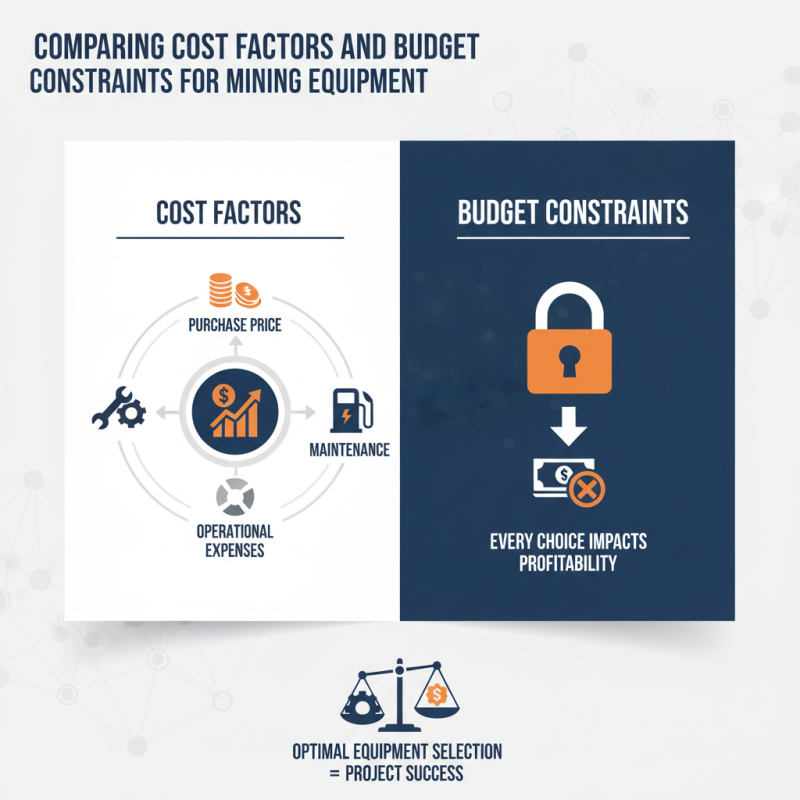
Comparing Cost Factors and Budget Constraints for Mining Equipment
When planning a mining project, budget constraints play a crucial role. Understanding the cost factors of mining equipment is essential. Equipment costs can include purchase prices, maintenance, and operational expenses. Every choice can impact overall project profitability.
Tips: Evaluate the total cost of ownership. Consider not only the initial price but also long-term expenses. Unexpected repairs can add up quickly.
Analyze your project's specific needs. Different tasks require different machinery. Large excavators may be necessary for heavy-duty jobs, while smaller drills could suffice for lighter tasks. Choosing the wrong equipment can lead to inefficiencies and increased costs.
Tips: Get multiple quotes. Prices can vary significantly based on location and supplier. Ensure you're not paying more than necessary.
Also, consider financing options. Leasing machinery might reduce immediate financial pressure. Yet, it can lead to higher costs over time. Balance these factors carefully to stick to your budget. Investing time in researching and comparing can save significant funds later on.
Exploring Manufacturer Reputation and After-Sales Support Options
When it comes to choosing mining machinery, the manufacturer's reputation plays a crucial role. A strong reputation often reflects a company’s commitment to quality and reliability. Researching customer reviews and industry ratings is vital. This can provide insight into how past clients feel about their purchases. Good feedback often indicates a trustworthy manufacturer.
After-sales support is equally important. Quality machinery requires ongoing maintenance and support. Consider the availability of spare parts and service options. If a manufacturer has a solid after-sales process, you can expect fewer headaches down the line. Ask about response times for service calls. An efficient support system can make a huge difference.
Don’t overlook these factors. A well-known brand may not always mean better service. Sometimes, newer companies offer better support and innovative solutions. Reflect on your specific needs and how a manufacturer aligns with them. Look for long-term partnerships rather than just one-time purchases. This approach may lead to better choices overall.