2026 How to Choose the Right Stone Crusher Machine for Your Needs?
Choosing the right Stone Crusher Machine is crucial for your project’s success. Many factors influence this decision. Understanding your specific needs will guide your selection process. Stone crushers come in various sizes and types. Each type serves a different purpose.
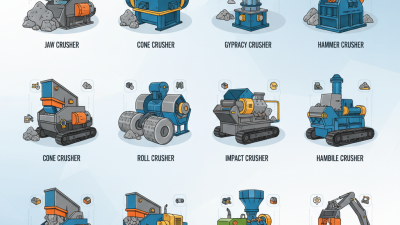
For instance, jaw crushers excel in primary crushing. They handle large stones effectively. Conversely, impact crushers target softer materials. They provide a more refined product. Matching the machine to your material type is vital.
Experience shows that many users overlook key specifications. Not considering capacity can lead to inefficiencies. Save time and money by asking the right questions. The ideal Stone Crusher Machine will boost productivity and minimize downtime. This decision impacts your overall operation. Therefore, careful selection is essential for optimal performance.
Understanding the Types of Stone Crusher Machines Available in 2026
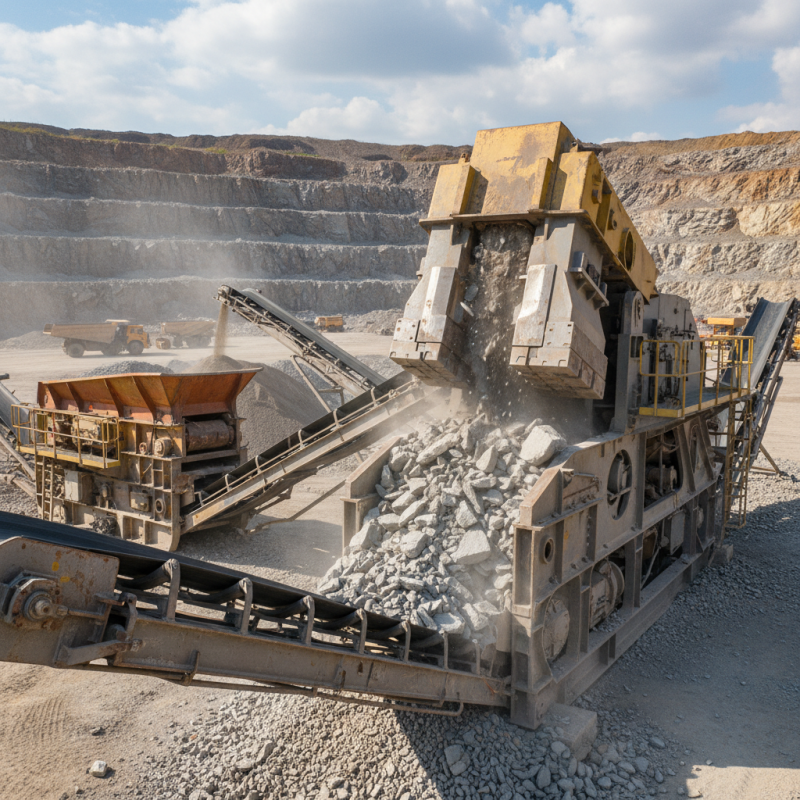
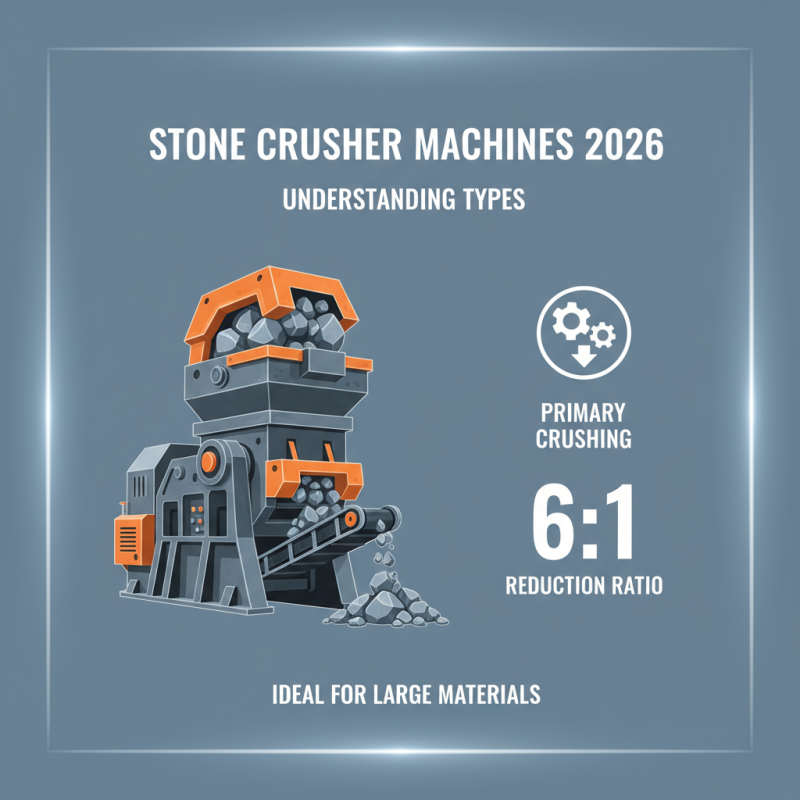
Choosing the right stone crusher machine in 2026 requires a solid understanding of the types available. Different machines serve varying purposes. For instance, jaw crushers are favored for primary crushing, offering high throughput. According to the latest industry reports, they can achieve a reduction ratio of 6:1. This makes them ideal for larger materials, enabling efficient processing.
Cone crushers, on the other hand, excel in secondary and tertiary applications. They produce finer aggregates, often with a size reduction ratio of 4:1, making them suitable for industries needing precise specifications. A study showed that production demand for cone crushers will rise by over 8% yearly due to this need for finer granularity. However, it's crucial to consider the stone characteristics and desired output when selecting a machine.
Impact crushers, while effective, present a slightly different set of challenges. They often require more frequent maintenance and have a shorter lifespan compared to others. This can lead to increased operational costs over time. A report indicated that around 12% of operations faced downtime due to impact crusher issues. Thus, evaluating your specific needs and budget is essential to avoid potential pitfalls.
Assessing Your Specific Crushing Needs Based on Material and Size
Choosing the right stone crusher machine begins with understanding your specific material and size requirements. Different stones require different levels of crushing power. For instance, soft materials like limestone might need less force, while harder materials like granite require more robust machines. According to industry reports, choosing a machine suited to your material can improve efficiency by up to 30%.
When analyzing the size of your material, consider both the initial size of the rocks and the desired output size. A typical recommendation is that the input material should not exceed 80% of the crusher's maximum feed size. Overloading can cause unnecessary wear and tear on the machinery. Additionally, the required output size can affect the choice of crusher type, which may range from jaw crushers to impact crushers, each suited for different size reductions.
Tips: Always evaluate the longevity of the machine. A slightly more expensive model often offers better durability. Also, frequently assess your crushing patterns—adjustments can optimize performance. For instance, some operators overlook the significance of consistent material flow, which can hinder production and lead to inefficiencies. Regular analysis and adjustments can help address these issues.
Evaluating Power and Efficiency Specifications of Stone Crushers
Choosing the right stone crusher machine involves evaluating power and efficiency specifications. Understanding these factors ensures that the equipment meets your operational needs. Efficiency is crucial, as it impacts productivity. A machine with high efficiency will reduce energy costs and increase output.
When examining power, focus on the motor’s capabilities. Consider the horsepower required for your specific tasks. This will help in selecting a machine that can handle both the volume and type of material you’ll be processing. Sometimes, a less powerful unit may suffice for lighter materials. However, heavier tasks necessitate stronger machinery.
*Tip: Always consult with industry experts before making a final decision. They can provide insights on what specifications truly matter based on your operations.*
Efficiency ratings like throughput and crushing ratio directly impact performance. It’s wise to compare these figures across different models. Some machines may promise high efficiency, but performance can vary under different workloads. Evaluate multiple options and seek feedback from current users.
*Tip: Look for user reviews, especially those detailing long-term performance.*
Remember, the best stone crusher for your needs balances power, efficiency, and operating costs. In some scenarios, investing in a more powerful machine may not yield a proportional increase in productivity. Always assess the long-term implications of your choice.
2026 Stone Crusher Machine Power and Efficiency Evaluation
This chart displays the power (in kW) and efficiency (in percentage) of different types of stone crusher machines commonly used in the industry.
Analyzing Cost-Effectiveness: Initial Investment vs. Operating Costs
When selecting a stone crusher machine, understanding cost-effectiveness is crucial. Initial investment often draws attention, but operating costs can significantly impact long-term profitability. According to a 2023 industry report, 65% of stone crusher owners prioritize ongoing maintenance expenses over the original purchase price.
Operating costs include electricity, wear parts, and labor. A high-capacity machine may have a higher upfront cost, but it can produce more efficiently, reducing operational expenses. Some reports suggest that maintenance costs can average 10-15% of the initial investment per year. This makes a thorough analysis essential.
Moreover, some machines may require specialized services, increasing labor costs. With the right knowledge, a business can mitigate these expenses. Regular maintenance extends the lifespan of a machine, further improving cost-effectiveness. Neglecting this can lead to unexpected breakdowns and higher operational costs. Understanding these factors aids in making a well-informed decision for your business needs.
2026 How to Choose the Right Stone Crusher Machine for Your Needs?
| Crusher Type |
Initial Investment ($) |
Operating Costs (per month) ($) |
Production Capacity (tons/day) |
Cost-Effectiveness Ratio |
| Jaw Crusher |
$80,000 |
$5,000 |
150 |
16.67 |
| Cone Crusher |
$110,000 |
$6,500 |
200 |
16.92 |
| Impact Crusher |
$70,000 |
$4,000 |
120 |
20.00 |
| Hammer Mill |
$50,000 |
$3,000 |
80 |
16.67 |
| Tertiary Crusher |
$90,000 |
$5,500 |
140 |
16.07 |
Reviewing Industry Standards and Regulations Impacting Crusher Selection
Choosing a stone crusher involves more than just effectiveness. Industry standards and regulations are critical factors to consider. Compliance ensures safety and environmental responsibility. Each region may have various laws guiding emissions, noise, and safety controls. Knowing these regulations can save time and money.
There are different types of stone crushers. Each type must meet specific industry standards. For instance, portable crushers often require stricter regulations due to their mobility. The materials used in the crusher also impact compliance. For example, using recycled materials may lower carbon footprints but could affect efficiency.
Understanding guidelines is essential for operational success. Unforeseen legal issues may arise if these standards are overlooked. It's important to stay updated on changing regulations. Engaging with experts in the field can provide insights into best practices. Investing time in research may yield better results in the long run.