How to Choose the Best Iron Ore Crusher for Your Mining Operations?
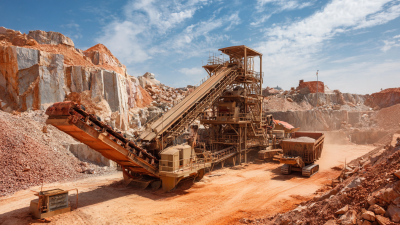
Choosing the right Iron Ore Crusher is vital for efficient mining operations. A suitable crusher significantly impacts productivity and costs. There are various models and types available, each designed to meet specific needs.
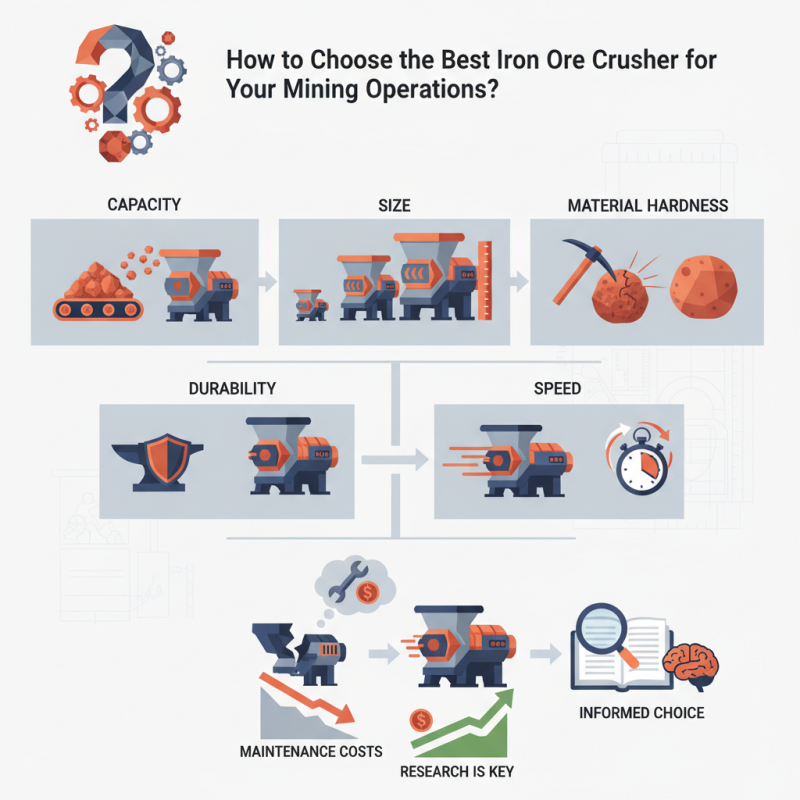
When selecting an Iron Ore Crusher, consider factors like capacity, size, and material hardness. These aspects can heavily influence the performance of the equipment. Are you prioritizing durability or speed? Think about your unique mining environment as well.
Inadequate planning might lead to mistakes. It’s common to overlook the long-term maintenance costs. In some cases, the cheapest option may result in higher expenses later. Research is key. Knowledge about different crushers helps in making an informed choice. Explore options, but don't rush the decision.
Factors to Consider When Selecting an Iron Ore Crusher
Choosing the right iron ore crusher is crucial for efficient mining operations. Several key factors play a role in this decision-making process. For instance, the hardness of the ore can significantly impact the machinery required. According to industry reports, iron ore typically ranges from 4 to 7 on the Mohs scale of hardness. Crushers must be capable of handling this range effectively.
The capacity of the crusher is another critical factor. Mining operations often require high throughput rates. A report by the International Mining Association indicates optimal throughput can reach up to 2,000 tons per hour for large-scale operations. Maintenance costs also vary widely. Some models may offer lower initial costs but incur higher expenses over time.
Moreover, location and logistics cannot be overlooked. Heavy machinery needs accessibility to transport routes. A crusher positioned poorly can lead to delays and increased operational costs. The environmental impact of the chosen crusher should also be evaluated. Some designs produce more emissions, which might contradict sustainability goals. Ultimately, balancing these factors is essential for making an informed choice.
How to Choose the Best Iron Ore Crusher for Your Mining Operations?
| Criteria |
Description |
Importance Level |
| Crushing Capacity |
The amount of material the crusher can process in a given time. |
High |
| Comminution Technology |
Type of technology used for reducing ore size, such as jaw, cone, or impact crushers. |
Medium |
| Energy Efficiency |
How much energy is required to run the crusher effectively. |
High |
| Maintenance Requirements |
Frequency and type of maintenance needed to keep the crusher operational. |
High |
| Size of Feed Material |
Maximum size of the material that can be fed into the crusher. |
Medium |
| Cost of Operation |
Overall cost including purchase price, installation, and operating expenses. |
High |
| Durability and Lifespan |
Expected operational life of the crusher under normal conditions. |
Medium |
| Safety Features |
Incorporated safety mechanisms to minimize operator risks. |
High |
Types of Iron Ore Crushers Available in the Market
When selecting an iron ore crusher, it’s essential to understand the types available in the market. The most common types include jaw crushers, cone crushers, and impact crushers. Each type offers distinct features suitable for different operational needs. According to industry reports, jaw crushers account for over 50% of all crushers used in ore processing. They excel in primary crushing, offering high efficiency and robust construction.
Cone crushers are another popular choice, especially for secondary and tertiary crushing. They boast a higher crushing ratio and can handle harder materials. Some data suggest that cone crushers can increase production rates by up to 30% compared to other technologies. Impact crushers provide an alternative, excelling at producing high-quality aggregates. However, they often require more frequent maintenance.
It's crucial to reflect on the operational needs of your mining operation. The decision should factor in ore types, required output size, and the expected throughput. Balancing the initial investment with long-term maintenance costs is vital. Careful analysis of these factors is necessary to avoid potential inefficiencies in the processing chain. Making the right choice can significantly impact productivity and profitability.
Assessing the Efficiency and Capacity of Iron Ore Crushers
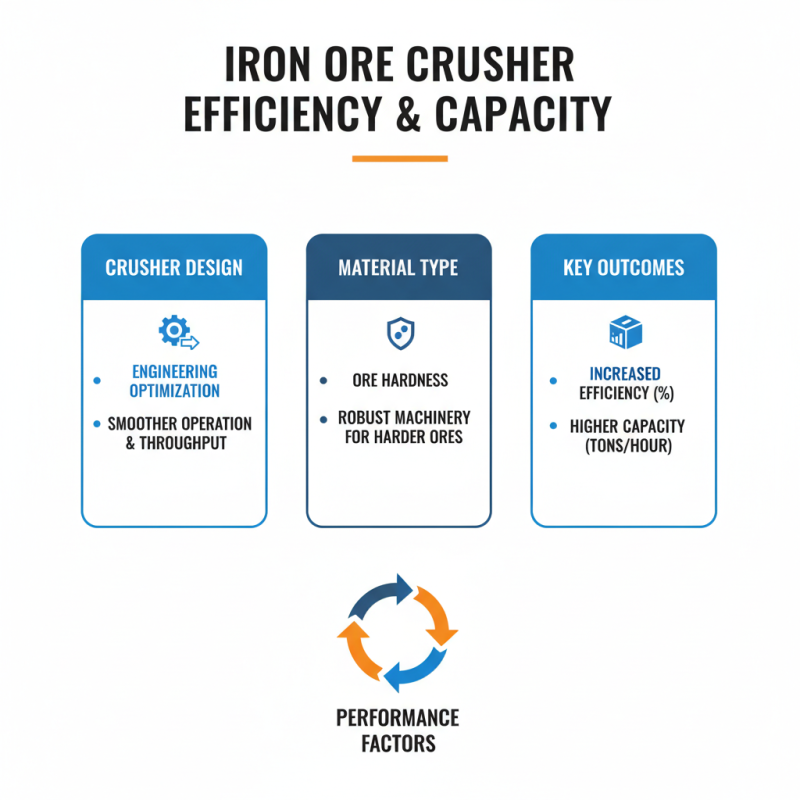
When assessing the efficiency and capacity of iron ore crushers, several factors come into play. The design of the crusher greatly affects its performance. A well-engineered machine allows for smoother operations and better throughput. Efficiency can vary significantly based on the type of materials being crushed. For instance, harder ores may require more robust machinery.
Capacity is another crucial aspect. It's important to choose a crusher that matches your mining operation's scale. Selecting a machine with insufficient capacity could lead to frequent breakdowns. But larger machines can be costly, adding pressure to budgets. An optimal balance must be sought. Testing different models under real conditions can provide insights into their actual performance.
Maintenance practices also impact efficiency. Regular inspections and timely repairs ensure that the crusher operates at its peak. However, many operations overlook this aspect. Investing in a suitable maintenance schedule can prevent long downtimes. Furthermore, assessing the feedback from operators can reveal areas for improvement. Balancing these factors can significantly enhance both operational efficiency and output in mining activities.
Maintenance and Durability Considerations for Crushers
Choosing the best iron ore crusher involves considering maintenance and durability. Crushers are vital for efficient mining. Proper maintenance practices can significantly extend their lifespan. Regular inspections help identify wear and tear. Replace worn parts promptly to avoid larger issues.
Tips for maintenance include keeping the crusher clean. Remove any debris or buildup to ensure optimal performance. Check the lubrication system regularly; it’s critical for smooth operation. A well-lubricated machine operates more efficiently. Monitor vibration levels, as excessive vibrations indicate potential problems.
Durability is essential. Invest in high-quality materials for construction. However, even the best equipment can fail. Using the wrong settings can lead to premature wear. Make sure to adjust your crusher per the specific characteristics of the ore. This avoids unnecessary damage and helps maintain efficiency. A careful approach to maintenance pays off in the long run.
Iron Ore Crusher Maintenance and Durability Analysis
This chart illustrates the maintenance costs associated with different types of iron ore crushers. Understanding these costs is crucial in selecting the best crusher for your mining operations, as it directly impacts the overall durability and efficiency of the equipment.
Cost-Benefit Analysis of Different Iron Ore Crusher Models
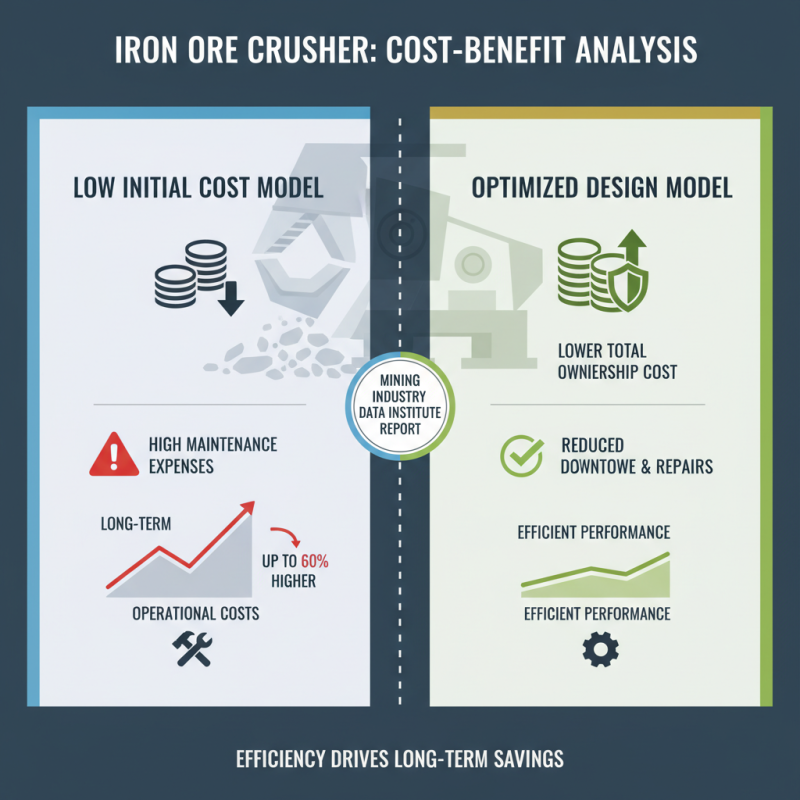
When evaluating different iron ore crusher models, a cost-benefit analysis is essential. The efficiency of crushers can vary significantly based on design. For instance, some models may have low initial costs, but their maintenance expenses can be high. A report from the Mining Industry Data Institute suggests that long-term operational costs can be up to 60% higher for models with lower upfront pricing.
Another factor to consider is throughput. Crushers that process more tonnes per hour can deliver better overall value. However, higher capacity often comes with a price tag. A study indicates that investing in high-capacity crushers can lead to cost savings of up to 25% per tonne. Yet, this initial investment may be out of reach for smaller operations. Unexpected repairs can also disrupt the production flow, causing unplanned expenses.
It's crucial to balance upfront costs with long-term value. Some operators may overlook factors like energy consumption and wear rates. While a cheaper model might seem attractive, inefficient machinery can incur hidden costs. Data shows that poor energy efficiency can drive processing costs up by 15 to 20%. Always consider the total lifetime costs rather than just the purchase price.