How to Choose the Best Limestone Crusher for Your Project?
Choosing the right Limestone Crusher is essential for any construction project. The type of crusher you select directly impacts efficiency and cost. Limestone is a versatile material. It serves in various applications, such as construction, agriculture, and infrastructure.
Different crushers have unique features, affecting their performance. Knowing the project’s specific needs is crucial. For instance, some projects may require a finer material, while others can handle coarser outputs. Sometimes, users overlook these details, leading to poor choices. An improper selection can cause delays and increased expenses.
Factors like capacity, size, and maintenance should be thoroughly analyzed. Each project has distinct requirements, and an ill-suited Limestone Crusher could hinder progress. Be sure to weigh the pros and cons. Analyze the long-term benefits versus short-term gains. In the end, the right choice will enhance productivity and ensure a successful outcome.
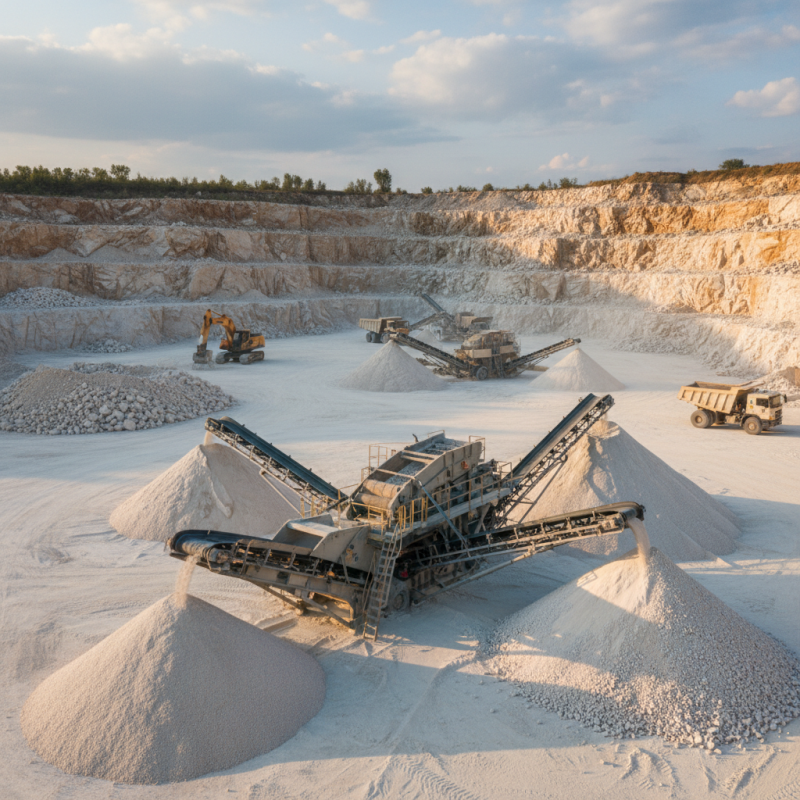
Identifying Your Project Requirements for Limestone Crushing
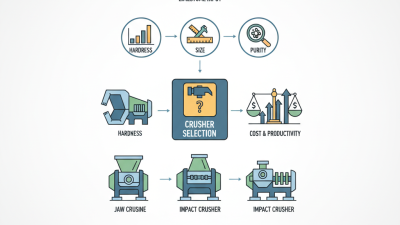
When selecting a limestone crusher, understanding your project requirements is crucial. Factors like material hardness, volume, and desired output size play a key role. For instance, a report from the National Stone, Sand & Gravel Association notes that proper equipment can affect production efficiency by up to 30%. This means that choosing the right crusher can significantly impact your project timeline and costs.
Consider also the type of limestone you are working with. Some are more abrasive, which could lead to quicker wear on equipment. According to the U.S. Geological Survey, limestone used for aggregate production is often between 50% to 75% of the total crushed stone output in the U.S. It underlines how vital it is to find a crusher that matches specific characteristics to maintain output quality.
Take the time to evaluate your project's scale. If you're dealing with smaller batches, a mobile crusher may suffice. However, for larger projects, investing in stationary equipment could be more beneficial in the long run. Reflecting on the layout of your site is necessary, as it can affect workflow efficiency. Are there obstacles that may hinder transport or maneuverability? Addressing these considerations is essential for achieving optimal results in limestone crushing.
Types of Limestone Crushers and Their Unique Features
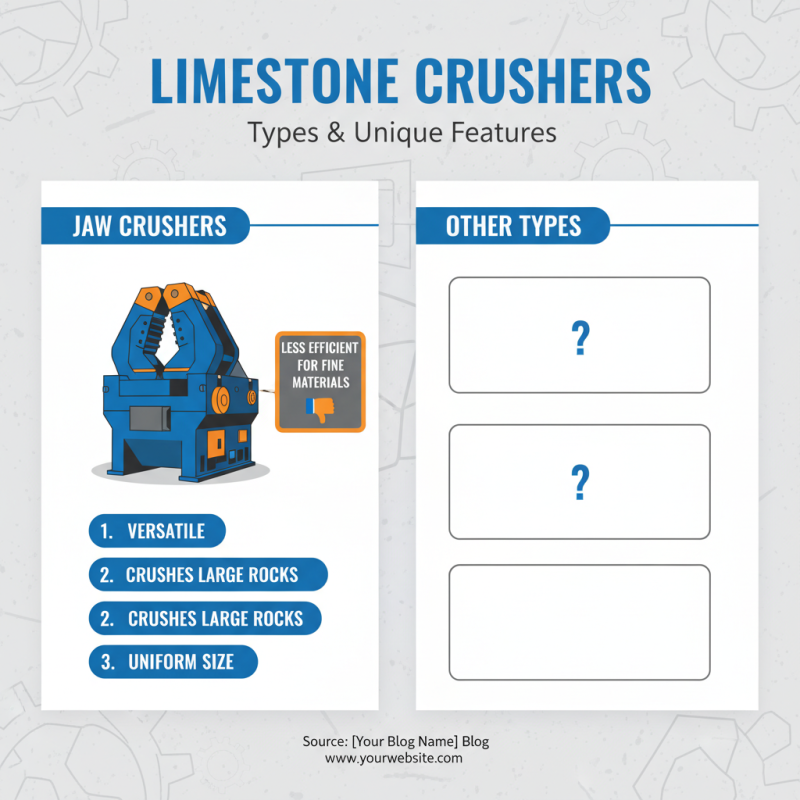
When choosing a limestone crusher, understanding the types available is crucial. There are several unique features that set each type apart. Jaw crushers are common due to their versatility. They effectively handle large rocks and produce a uniform size of crushed limestone. However, they can be less efficient for finer materials.
Cone crushers, on the other hand, offer a different approach. They are ideal for creating smaller, more consistent product sizes. This makes them suitable for operations needing precise specifications. However, they may require more power and maintenance. Impact crushers also deserve attention. They excel in producing shaped materials but can be less durable than other types. Each option has its strengths and weaknesses. Selecting the right one demands careful consideration of the project’s specific needs.
Evaluating Crusher Performance Metrics and Specifications
Choosing the right limestone crusher for your project requires understanding key performance metrics and specifications. Pay attention to the crusher’s capacity. This refers to how much material it can process in a given time. A higher capacity often translates to better efficiency for large projects. Analyze the size reduction ratio as well. A good crusher will significantly reduce the input material size while producing usable outputs.
Tips: Consider the working conditions of your project site. Dust control features can enhance performance and longevity. Noise levels also matter if you're in a residential area.
Don’t overlook the energy consumption either. A crusher that uses less energy can save money and reduce environmental impact. Check how easy it is to maintain. Frequent maintenance can disrupt your timeline and increase costs.
Tips: Look for user-friendly designs. Simplicity in operation can lead to fewer errors. Ensure you evaluate any potential downtime during maintenance. Every project has unique needs that affect overall performance. So, take your time before making a decision.
How to Choose the Best Limestone Crusher for Your Project? - Evaluating Crusher Performance Metrics and Specifications
| Crusher Type |
Max Feed Size (inches) |
Output Size (inches) |
Production Capacity (tons/hour) |
Power Requirement (HP) |
| Jaw Crusher |
14 |
0.5 - 6 |
50 - 150 |
75 |
| Cone Crusher |
12 |
0.25 - 4 |
75 - 200 |
100 |
| Impact Crusher |
10 |
0.2 - 3 |
60 - 180 |
90 |
| Horizontal Shaft Impactor |
8 |
0.3 - 5 |
70 - 200 |
110 |
Considering Cost Factors and Budget Constraints
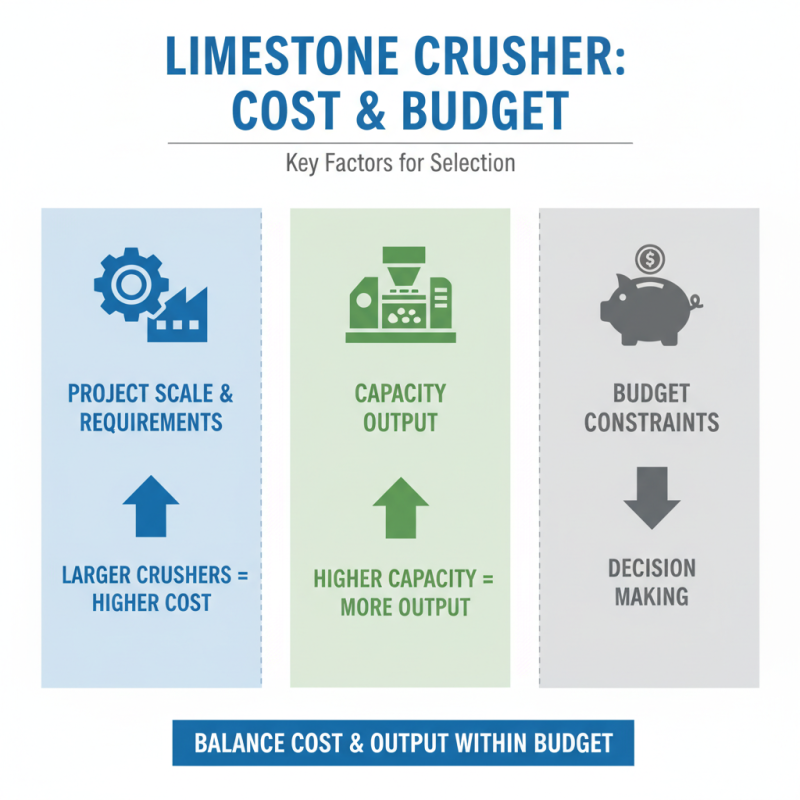
When considering the cost factors for selecting a limestone crusher, several aspects come into play. You need to analyze your project's scale and requirements. This affects the initial purchase price. Larger crushers often come with higher costs. However, their capacity can yield more output. Think about your budget constraints before making a decision.
Operating costs are another vital factor. Maintenance expenses can add up over time. A more expensive model might save money in repairs. Compare the long-term costs of different options. Take into account energy efficiency. A machine that consumes less power will be cheaper to run. Don't forget about potential operational downtimes. They can lead to loss of revenue.
Finally, you should factor in transportation costs. If the crusher is far from your site, shipping can be expensive. Look into local options if possible. Sometimes, cheaper models require more frequent replacements. This could lead to higher total costs. Always think critically about what you need now versus what you might need later. Balancing quality and cost can be challenging but essential.
Maintenance and Support Options for Your Chosen Crusher
When selecting a limestone crusher, maintenance and support options play a crucial role. A study by the National Stone, Sand & Gravel Association (NSSGA) reveals that effective maintenance can reduce downtime by up to 30%. Regular check-ups and timely repairs are essential. You should consider the availability of technical support and replacement parts.
Understanding the maintenance routines is key. Simple tasks include checking the hydraulic systems and inspecting wear parts. Major repairs could be costly, often ranging into the thousands. Delaying these can lead to performance issues and shortened lifespan. A close relationship with the manufacturer can enhance your support network, ensuring quick access to assistance.
It's worth reflecting on the true cost of not investing in support options. According to industry reports, equipment failure remains among the top reasons for project delays. This can severely impact project budgets and timelines. Making informed choices about maintenance might seem tedious but is vital for operational efficiency. Simple solutions often yield the greatest benefits.