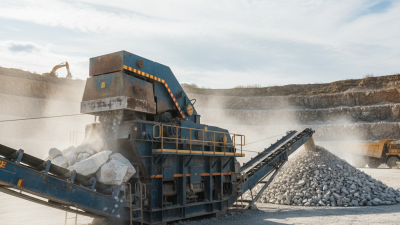
Choosing the best Limestone Crusher in 2026 requires more than comparing advertised capacity. Quarry owners must study rock hardness, feed size, moisture, output requirements, and daily operating hours. A machine that performs well in dry limestone may struggle when clay blocks the feeder. Small details matter.
Dr. Barry A. Wills, a respected mineral-processing authority, has emphasized, “The best equipment choice begins with understanding the whole process.” That principle remains highly relevant. A crusher should work smoothly with the feeder, screen, conveyor, dust-control system, and maintenance plan. Otherwise, impressive specifications may produce disappointing results. Look for measurable evidence, including test results, wear-life records, energy use, and service response times. Ask suppliers for references from quarries processing similar limestone.
There is no perfect machine. A jaw crusher may suit primary reduction, while an impact crusher can deliver a more cubical product. Cone crushers often support precise secondary shaping, but their performance depends on controlled feeding. In 2026, automation, remote monitoring, variable-speed drives, and energy efficiency deserve serious attention. Yet technology cannot repair poor installation or careless maintenance. A tidy spreadsheet can still mislead. Inspect the proposed layout, examine replacement-part availability, and calculate total ownership cost over several years. The right Limestone Crusher is not always the cheapest unit. It is the one that consistently produces the required stone, protects workers, controls dust, and remains practical when conditions change. Mistakes happen, even in experienced quarries. Careful testing reduces them.
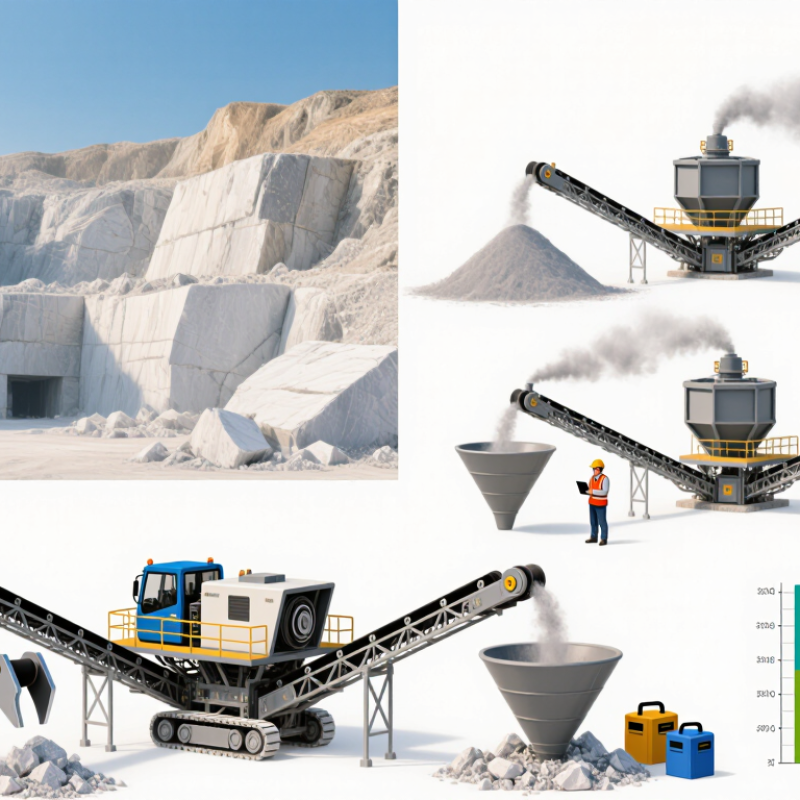
Limestone is a sedimentary rock composed mainly of calcium carbonate. It may look uniform at the quarry face, but its crushing behavior can change within a few meters. Moisture, clay seams, hardness, and natural fractures all affect performance. The U.S. Geological Survey’s Mineral Commodity Summaries 2025 reports about 1.5 billion metric tons of crushed stone production in the United States during 2024. That scale shows why small equipment decisions can create large cost differences.
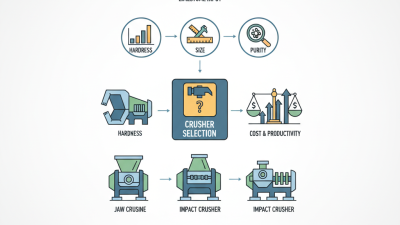
Crusher selection matters because limestone is used for road base, concrete aggregate, and cement feedstock. A primary jaw crusher may handle large, uneven blocks. An impact crusher can produce better-shaped particles, but excessive fines may become a problem. A cone crusher can support controlled secondary reduction when the feed is properly prepared. The IEA reports that cement production remains responsible for roughly 8% of global carbon dioxide emissions. Efficient limestone reduction can therefore influence energy use, material waste, and downstream processing. There is no universal “best” crusher. A spreadsheet can look convincing, yet wet feed may overturn the calculation.
Tips: Test representative rock samples before purchase. Measure feed size, moisture, abrasion, and target output. Compare tonnes per hour, power demand, liner wear, and dust control. Ask for production data from similar limestone, not generic rock. Leave room for uncertainty; quarry conditions are rarely perfect.
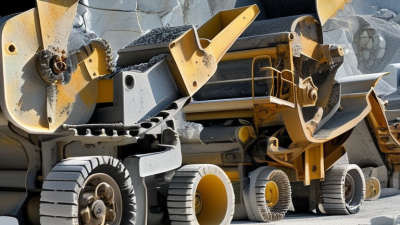
Choosing limestone crusher starts with the feed material, not the machine’s advertised capacity. Fresh quarry stone may contain hard bands, clay, or hidden moisture. A jaw crusher suits primary reduction when large rocks enter directly from drilling or blasting. Its deep chamber handles irregular feed and produces a reliable, coarse product.
For a more cubical shape, an impact crusher can be effective after primary crushing. It works well when limestone is moderately soft and the required product contains fewer sharp edges. However, excessive fines may appear when the feed is damp or highly friable. This detail is easy to overlook.
A cone crusher fits tougher limestone and controlled secondary reduction. Closed-side settings influence final size, power use, and wear.
Hammer crushers can process softer limestone with high reduction ratios. They may also create more powder than a construction project needs.
Roller crushers offer gentler compression and useful control over fines, especially in selected applications.
Screen openings, moisture levels, and hourly feed rates should be checked together. In field assessments, operators often focus on capacity first, then discover that maintenance access is poor. That is a costly mistake.
A practical selection should compare feed size, target gradation, abrasiveness, dust control, liner life, and service conditions. No crusher fits every site. The best choice depends on the complete process.
Choosing the best limestone crusher in 2026 starts with measurements, not advertisements. Measure it. Record hourly feed, maximum stone size, moisture, and hardness. A loader may deliver 80 tonnes per hour, but irregular feeding can reduce actual output. Ask for a capacity range, not one impressive figure. Capacity changes with gradation, chamber settings, and operator control. A practical target leaves 15–20% reserve capacity for wet mornings and worn liners.
Feed size determines the crusher opening and blockage risk. Measure the largest pieces, not the average fragments. If run-of-mine limestone reaches 700 millimetres, a small primary unit will struggle. Oversized rock may require pre-sizing, adding equipment and handling costs. Output requirements must be equally specific. State whether you need 0–5 millimetre sand, 5–20 millimetre aggregate, or several fractions. A closed circuit can improve consistency, but sticky material may reduce throughput. That trade-off is easy to underestimate.
Match the crushing stages to the final product curve. A primary crusher handles large feed, while later stages refine shape and size. Test your own limestone sample whenever possible. Laboratory figures help, but they cannot replace site trials. Track tonnes per hour, product grading, power draw, and dust during a full shift. A common mistake is treating nominal capacity as guaranteed capacity. That assumption fails under wet feed. Include maintenance access, liner changes, and clearing time in your evaluation. The largest machine is not always the best choice. Reliable output matters more.
How to Choose the Best Limestone Crusher in 2026?
Crusher efficiency begins with the stone, not the brochure. Limestone hardness, moisture, clay content, and feed size directly affect output stability. The U.S. Geological Survey reported approximately 1.5 billion metric tons of U.S. crushed stone production in 2024. That scale shows why small efficiency losses can become major operating costs. Test a representative sample before selecting the crushing chamber.
A practical comparison should include capacity, reduction ratio, energy use, liner life, and maintenance access. A crusher rated for 500 tonnes per hour may deliver less with wet, sticky feed. The real figure matters. Measure tonnes per hour at your site, not only under laboratory conditions. Track power consumption per tonne and unplanned downtime for several weeks. The U.S. Department of Energy identifies motor-driven systems as major industrial energy users, so inefficient drives deserve careful review.
Durability depends on impact loads, abrasive particles, lubrication, and operator habits. Hard limestone can shorten wear-part life when the feed is poorly controlled. Check replacement time and local service skills. Cost is more than the purchase price. Include installation, electricity, wear parts, labor, and lost production. The National Stone, Sand & Gravel Association’s industry guidance emphasizes production reliability and safe maintenance practices. I would not choose the cheapest quotation automatically. It may look efficient on paper, yet perform poorly after one rainy season. Test results can be incomplete, too. Recheck them.
Typical limestone throughput ranges help compare crusher types before selecting equipment. Actual performance depends on feed size, rock abrasiveness, moisture, required product size, operating conditions, and circuit design.
Selection guidance: Jaw crushers are commonly used for primary crushing and large feed sizes. Impact crushers can produce a higher proportion of cubical material but may experience faster wear with abrasive limestone. Cone crushers are suitable for efficient secondary and tertiary crushing, while hammer crushers can offer high reduction ratios when feed moisture and abrasiveness are manageable.
The chart shows representative industry throughput ranges in metric tonnes per hour, not guaranteed machine ratings. Confirm capacity, energy consumption, wear-part life, maintenance access, and total ownership cost with project-specific testing.
Choosing a limestone crusher in 2026 should begin with comparison, not catalogue claims. The USGS Mineral Commodity Summaries 2025 estimates U.S. crushed-stone output at about 1.5 billion metric tons in 2024. Limestone and dolomite supplied most of that market. At this scale, small efficiency differences become commercially important. Record maximum lump size, moisture, clay content, abrasiveness, and hourly tonnage at the quarry face.
A jaw crusher usually handles primary reduction, while impact and cone crushers serve different secondary duties. Compare reduction ratio, product shape, fines, and recirculating load. A 200-millimeter product target means little without feed-size data. Request measured kilowatt-hours per tonne, not only motor power. The IEA’s 2023 cement analysis links cement production with roughly 7% of global carbon dioxide emissions, so wasted energy deserves serious attention. Test the intended limestone under realistic conditions.
Inspect liner wear after a defined production period. Check access around the crushing chamber, dust control, noise exposure, and service time. A cheaper machine may create higher costs through frequent stoppages. The first shortlist is rarely right. A practical trial can reveal uneven feeding, wet-season blockages, or excessive fines. These details are easy to miss in a polished quotation. Compare total cost over five years, including wear parts, electricity, downtime, labor, and resale value. A spreadsheet helps, but it cannot replace watching the machine process your own stone.
Typical comparison data for common limestone crushing applications. Actual results vary according to material hardness, moisture, feed gradation, equipment configuration, and operating conditions.
| Crusher Type | Typical Crushing Stage | Typical Feed Size | Typical Product Size | Typical Capacity Range | Reduction Ratio | Finished-Product Shape | Moisture Tolerance | Wear and Maintenance Considerations | Best Use for Limestone |
|---|---|---|---|---|---|---|---|---|---|
| Jaw Crusher | Primary crushing | Up to approximately 1,200 mm | 100–300 mm | 50–1,500 t/h | Approximately 3:1 to 6:1 | Angular particles; suitable for subsequent crushing | Low to moderate; sticky wet feed can reduce efficiency | Simple design and relatively easy maintenance; jaw plates require periodic replacement | Large quarry feed, hard limestone, and high-volume primary reduction |
| Impact Crusher | Primary or secondary crushing | Up to approximately 1,000 mm | 20–100 mm | 50–1,200 t/h | Approximately 10:1 to 50:1 | Good cubic shape with a high proportion of manufactured sand and fines | Low to moderate; excessive moisture may cause clogging | Higher wear on blow bars and impact plates, especially with abrasive feed | Aggregate production where particle shape and high reduction are important |
| Cone Crusher | Secondary, tertiary, or quaternary crushing | Approximately 50–560 mm | 5–75 mm | 50–1,200 t/h | Approximately 4:1 to 8:1 | Consistent, well-shaped particles when properly configured | Low; requires controlled feed and material that is not excessively sticky | Advanced adjustment and lubrication systems; liners and mantle require scheduled replacement | Controlled product sizing, high-throughput secondary crushing, and cubical aggregate production |
| Hammer Crusher | Primary or secondary crushing | Up to approximately 600 mm | Below 25–100 mm | 10–1,000 t/h | Approximately 10:1 to 50:1 | Fine, angular product with a relatively high fines content | Low; wet or clay-contaminated limestone can cause blockage | High impact wear on hammers and grate plates when feed is abrasive | Soft to medium-hard limestone, quicklime feed preparation, and applications requiring fine output |
| Roller Crusher | Secondary or tertiary crushing | Up to approximately 100 mm | 3–50 mm | 10–500 t/h | Approximately 3:1 to 6:1 | Relatively uniform product with limited over-crushing | Moderate; certain designs can handle more moisture than impact equipment | Roll surfaces and bearings need inspection; generally low vibration and straightforward servicing | Controlled-size limestone, lower-fines applications, and relatively soft to medium-hard feed |
| Mobile Crushing Plant | Primary, secondary, or complete crushing line | Depends on the integrated crusher; commonly up to 1,200 mm | Approximately 5–300 mm | 50–1,000 t/h | Depends on the installed crusher | Depends on the jaw, impact, cone, or hammer unit installed | Depends on the crusher and screening configuration | Requires inspection of tracks, conveyors, dust-control systems, and the integrated crusher | Temporary sites, changing quarry locations, road projects, and reduced material handling |