How to Choose the Right Crusher Stone for Your Project?
Choosing the right crusher stone for your project is crucial. The right material can make a significant difference in durability and aesthetics. Crusher stone comes in various sizes and types. Each option serves unique purposes.
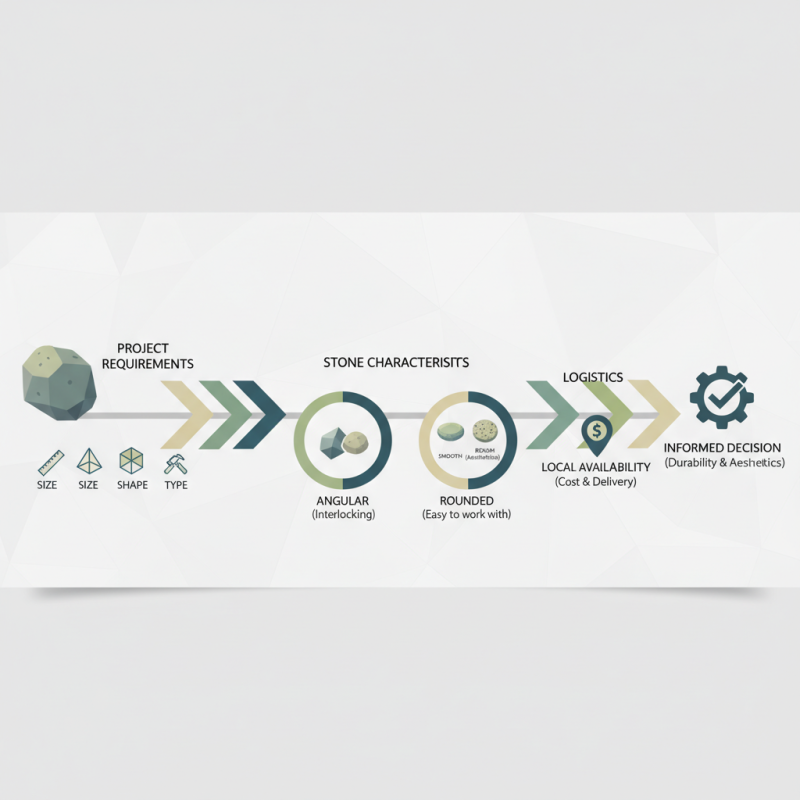
When selecting, consider the project’s requirements. Factors like size, shape, and type of stone matter. For instance, angular stones provide better interlocking, while rounded stones are easier to work with. Look at the local availability too, as this affects costs and delivery time.
Many people overlook the importance of texture when choosing crusher stone. A smooth finish may enhance visual appeal, but rough textures offer better drainage. Reflect on these aspects as they can impact the project outcome. Make informed decisions to avoid regrets later on.
Understanding the Different Types of Crusher Stones Available
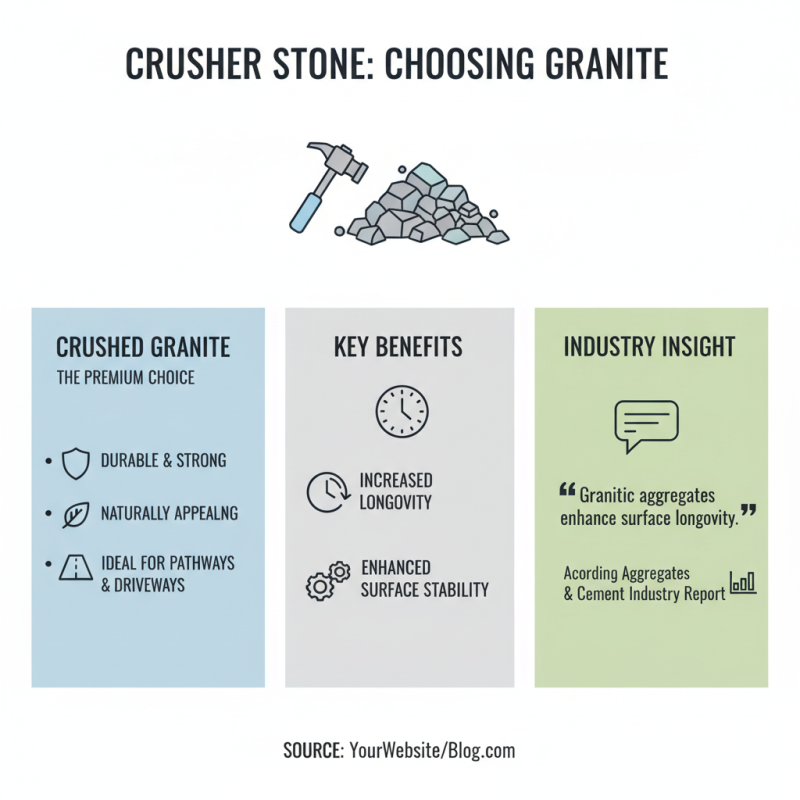
When selecting the right crusher stone for your project, understanding the types available is crucial. Crushed granite is a popular choice. It is durable and visually appealing, making it ideal for pathways and driveways. According to the Aggregates and Cement Industry Report, granitic aggregates can enhance the longevity of surfaces.
Limestone is another common option. It is often used in construction due to its affordability. It provides a solid base for roads and foundations. However, it may not be suitable for all projects. Some applications require stronger materials, like basalt. Basalt is denser and more durable. It can withstand heavy traffic and harsh weather conditions.
Choosing the wrong stone can lead to problems. Cracked surfaces or weak foundations can result from improper selection. A detailed assessment of project requirements is essential. Some projects need drainage solutions, while others prioritize aesthetics. Test results from recent studies show that the right stone can reduce maintenance costs by up to 30%. Therefore, careful consideration is necessary to ensure project success.
Determining the Project Requirements for Crusher Stone Selection
Choosing the right crusher stone for your project begins with understanding your specific needs. A critical factor is the purpose of the stone. Different projects require varying sizes and types of stone. In many cases, crushed stone is categorized into several grades based on size. For example, #57 stone, with a diameter of about 3/4 inch, is ideal for drainage and concrete production. Conversely, larger stones could be required for base layers in construction.
When determining the project requirements, consider the load-bearing capacity. Aggregates must withstand pressure without cracking. According to industry reports, stones with a high compression strength are necessary for foundational work. Failing to choose the right grade can lead to structural failures, which can be costly to rectify.
Tips: Always evaluate the source of your stone. High-quality stone comes from reliable quarries. You might also want to test its durability. Remember, not all gravel is created equal. For non-load applications, smaller stones may suffice, but they aren’t always as visually appealing. Always factor in aesthetics alongside functionality.
Choosing the Right Crusher Stone for Your Project
This chart illustrates the different types of crusher stone commonly used in projects, along with their suitability ratings based on various project requirements, such as durability, cost, and availability.
Evaluating the Size and Gradation of Crusher Stones
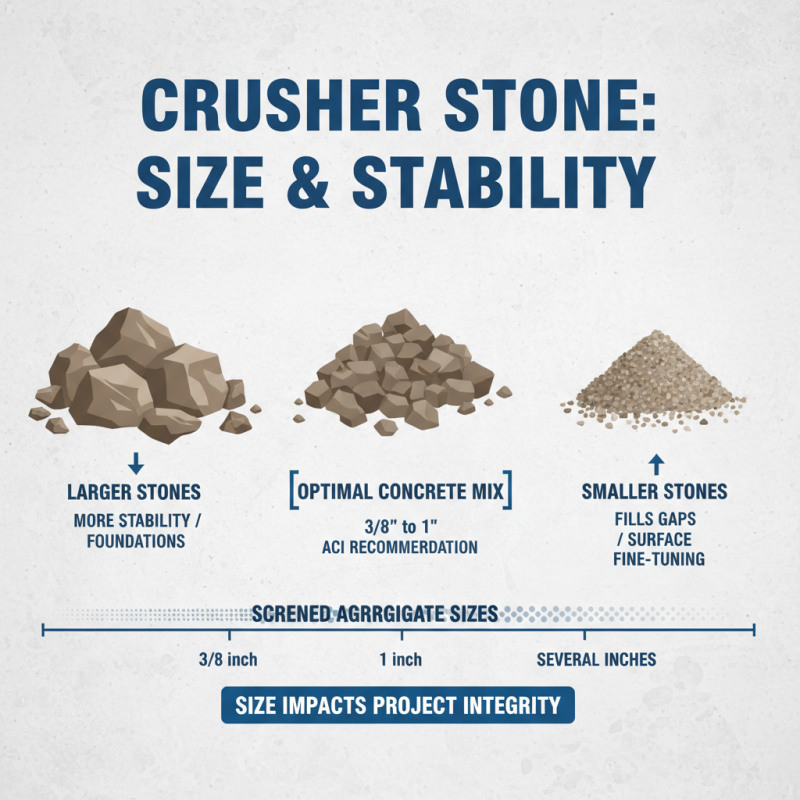
Choosing the right crusher stone involves careful evaluation of size and gradation. The size of the stone significantly impacts your project’s integrity. For instance, larger stones provide more stability while smaller stones fill gaps effectively. Screened aggregate sizes vary from 3/8 inch to several inches. The American Concrete Institute suggests that the optimal aggregate size for concrete mixes is typically between 3/8 inch and 1 inch.
Gradation also plays a crucial role in performance. Well-graded materials lead to better compaction and stability. A report from the National Stone, Sand & Gravel Association reveals that a mix with a variety of sizes creates a denser and stronger final product. However, achieving the right balance can be challenging. Oversized stones can cause weak points. Conversely, too many fines can lead to drainage issues.
It’s essential to assess the soil conditions at your project site. Different environments may require different solutions. You might discover that a specific gradation works well on one project but not on another. Always test the materials before full-scale use. Adjustments may be necessary to ensure optimal performance. Ultimately, understanding both size and gradation will help you make informed decisions.
Assessing the Material Composition and Characteristics of Crusher Stones
When selecting the right crusher stone for your project, understanding the material composition is crucial. Different projects require various properties in stone aggregates. The stone's size, shape, and material type can significantly affect the outcome. For instance, crushed granite provides durability but may not be suitable for decorative purposes.
Consider the stone's characteristics. Density and porosity can impact weight and drainage. A dense stone might work well for high-traffic areas, while lighter stones may be ideal for landscaping. It's also important to reflect on the project's environment. Some stones may react poorly with the local weather. Choosing the wrong type could lead to additional costs and maintenance issues.
Not all stones perform equally in various applications. Some may fail to meet aesthetic requirements or crumble under stress. Evaluating samples is a practice worth committing to, even if it seems tedious. Test the stones in small-scale applications to see how they hold up. Mistakes happen. Learning from them can lead to better choices in future projects.
How to Choose the Right Crusher Stone for Your Project? - Assessing the Material Composition and Characteristics of Crusher Stones
| Crusher Stone Type |
Material Composition |
Typical Size Range (inches) |
Common Uses |
Density (lbs/yd3) |
| Granite |
Igneous rock, primarily composed of quartz, feldspar, and mica |
0.5 - 1.5 |
Driveways, construction, decorative landscaping |
150 - 165 |
| Limestone |
Sedimentary rock, mainly composed of calcite |
0.75 - 2.0 |
Road base, concrete aggregate, landscaping |
120 - 130 |
| Sandstone |
Sedimentary rock, composed mainly of sand-sized particles |
0.5 - 1.0 |
Building materials, landscape stone, concrete |
100 - 120 |
| Gravel |
Natural rock fragments, can be rounded or angular |
0.25 - 1.5 |
Driveways, drainage, walkways |
90 - 110 |
| Basalt |
Igneous rock, rich in magnesium and iron |
0.5 - 1.5 |
Road construction, railway ballast |
130 - 145 |
Considering Cost and Availability Factors for Crusher Stone Options
When selecting crusher stone for your project, cost and availability are crucial. Prices can vary significantly based on location. Local quarries might offer more competitive rates, while distant suppliers can inflate costs with transportation fees. Always check multiple sources to gauge average pricing.
Consider the type of stone you need. Some materials may be abundant but lack the right specifications for your project. Availability can fluctuate due to demand or supply chain issues. If you're relying on a specific type, ensure it is consistently in stock. If not, your project could face delays.
Evaluate your budget continuously. It may be tempting to go for the cheapest option. However, this could lead to additional costs down the line if the quality is low. Sometimes, spending a bit more upfront will save you money in repairs or replacements later. Think about the long-term impact of your choices to avoid frustration.