What is a Gypsum Crusher and How Does it Work in Construction
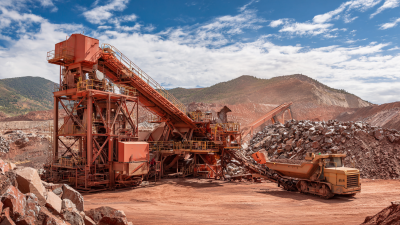
In the construction industry, the use of gypsum has become increasingly prevalent due to its versatile applications, including drywall, plaster, and cement production. One critical component in processing gypsum is the Gypsum Crusher, a specialized machinery designed to efficiently break down gypsum materials for further use. According to a report by Transparency Market Research, the global gypsum market is expected to reach approximately USD 4.5 billion by 2026, driven by the growing construction activities and rising demand for sustainable building materials.
The Gypsum Crusher operates by utilizing mechanical force to crush the material into smaller, more manageable pieces, which can then be processed for various applications. This process is essential for enhancing the usability of gypsum, making it easier to incorporate into construction projects. Notably, the demand for gypsum products is not only a reflection of an expanding construction market but also an indication of the industry's shift towards more eco-friendly solutions. As the construction sector continues to evolve, the role of Gypsum Crushers will remain pivotal in promoting efficiency and sustainability in material processing.

What is Gypsum and Its Role in Construction
Gypsum, a naturally occurring mineral, plays a vital role in the construction industry due to its unique properties. Composed of calcium sulfate dihydrate (CaSO₄·2H₂O), gypsum is primarily used in the production of drywall, plaster, and various cement products. According to a report by Grand View Research, the global gypsum market size was valued at approximately USD 1.55 billion in 2020 and is expected to experience significant growth in the coming years, driven largely by increasing demand in residential and commercial construction projects.
In addition to its applications in building materials, gypsum has inherent fire-resistant qualities and acts as a sound insulator, making it a preferred choice for walls and ceilings. The use of gypsum in construction not only enhances the structural integrity but also improves energy efficiency. Studies indicate that gypsum's thermal properties contribute to a steady indoor climate, which is essential for reducing heating and cooling costs. As such, the role of gypsum in modern construction extends beyond mere physical construction to encompass sustainable building practices and energy conservation initiatives.
What is a Gypsum Crusher and How Does it Work in Construction - What is Gypsum and Its Role in Construction
| Dimension |
Description |
| Material Type |
Gypsum |
| Chemical Formula |
CaSO₄·2H₂O |
| Common Applications |
Drywall, Plaster, Cement |
| Crushing Process |
Size reduction through mechanical force |
| Types of Gypsum Crushers |
Jaw Crusher, Impact Crusher, Hammer Crusher |
| Benefits of Gypsum |
Fire resistance, sound insulation, moisture regulation |
| Environmental Impact |
Sustainable, recyclable material |
Understanding Gypsum Crushers and Their Importance
Gypsum crushers play a crucial role in the construction industry by processing gypsum, a widely used material in building and remodeling. Understanding how these crushers operate helps in appreciating their importance in efficiently reducing gypsum into manageable sizes. They work by employing various mechanical mechanisms, typically featuring rotating hammers or crushers that break down the material. This ensures that the gypsum can be easily transported and utilized in products such as drywall, plaster, and cement, which are essential for construction projects.
Moreover, the efficiency of gypsum crushers contributes significantly to sustainability in construction. By facilitating the recycling of gypsum waste, these machines help minimize material waste while promoting the responsible use of resources. As the demand for eco-friendly construction practices continues to rise, the role of gypsum crushers becomes more prominent, providing an effective solution for managing gypsum materials while ensuring the quality of construction projects. Their ability to process and refine gypsum not only supports various aspects of construction but also aligns with broader environmental goals by reducing landfill contributions.
Gypsum Crusher Usage in Construction
Mechanism of Action: How Gypsum Crushers Operate
Gypsum crushers play a critical role in the construction industry by transforming gypsum rock into a usable material for various applications. The mechanism of action for these crushers is relatively straightforward yet highly effective.
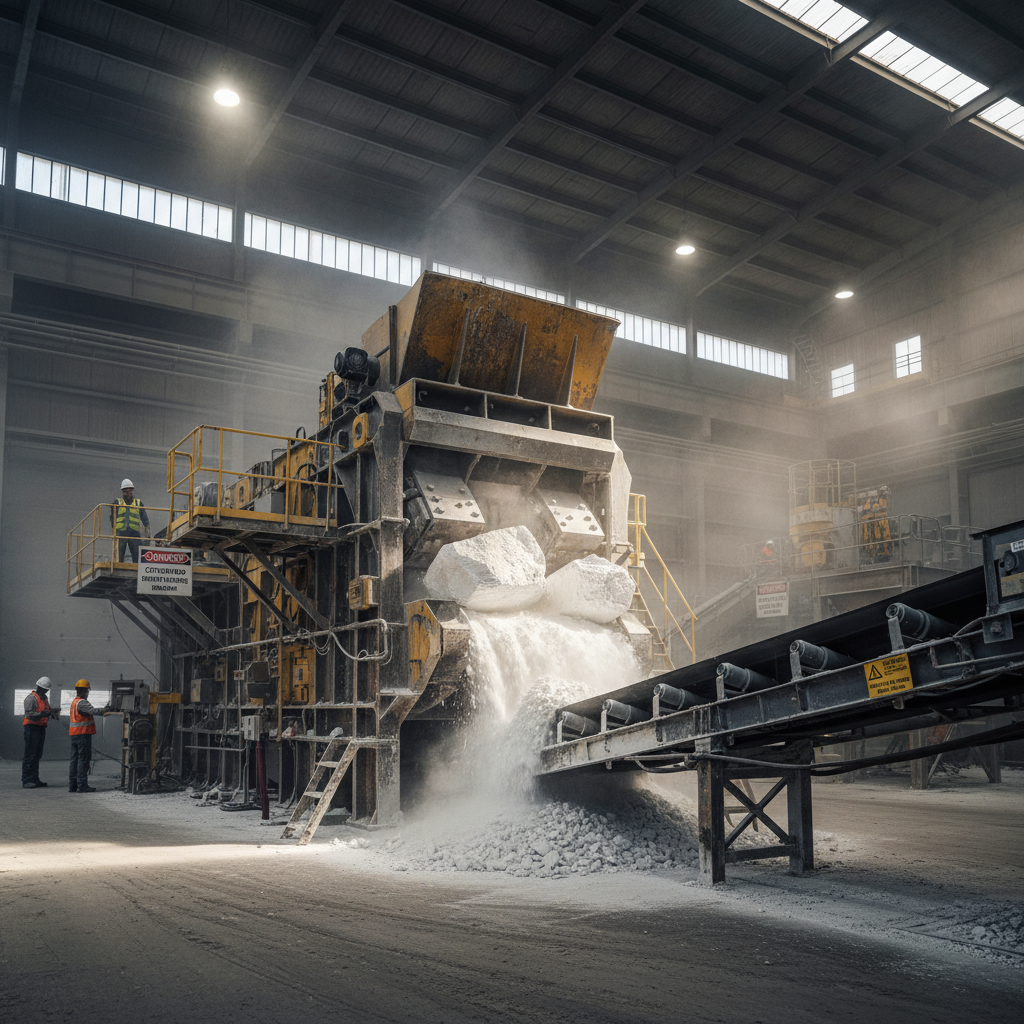
Typically, gypsum crushers operate using a combination of impact and grinding forces. The raw gypsum is fed into the machine, where it is first subjected to high-speed impact, breaking it down into smaller fragments. This process is often enhanced utilizing a series of rotating hammers or blades that further pulverize the material.
Once the gypsum is shattered into manageable sizes, it moves to the grinding chamber. Here, the size reduction continues through additional impact and shear forces. The ground gypsum is then sized using screens to ensure it meets the required specifications for use in construction.
The precise control over the crushing process allows for the production of fine gypsum, which is essential for applications such as plasterboard manufacturing, cement production, and other construction materials. Ultimately, the efficiency of gypsum crushers not only streamlines the processing of raw materials but also contributes significantly to the overall sustainability and effectiveness of construction projects.
Applications of Gypsum Crushers in Construction Projects
Gypsum crushers are pivotal in the construction industry, specifically in processing gypsum for various applications. One of their primary functions is to break down large gypsum rocks into smaller, more manageable particles that can be used in the production of plaster, drywall, and cement. This process increases efficiency and ensures that the raw materials meet the necessary specifications for construction projects.
Additionally, modern gypsum crushers are designed to be energy-efficient, reducing the overall environmental impact of construction activities.
When considering a gypsum crusher for your project, it is essential to assess the specific requirements of your construction processes. For optimal performance, choose a crusher that aligns with your production volume and material properties. Usage tips include regularly maintaining and inspecting equipment to prevent unexpected downtimes and ensuring safety measures are in place during operation.
The applications of gypsum crushers extend beyond primary material processing. They can also be involved in recycling waste materials generated during construction, allowing for a more sustainable approach. By pulverizing leftover gypsum, contractors can incorporate these recycled materials back into new projects, minimizing waste and conserving resources.
Benefits of Using Gypsum Crushers in Material Processing
Gypsum crushers play a vital role in material processing within the construction industry. These machines are designed to crush gypsum rock into smaller, more manageable sizes, facilitating its use in various applications. One of the primary benefits of using gypsum crushers is their ability to improve the efficiency of material handling. By breaking down large gypsum chunks, these crushers enhance transportation and storage, making the overall production process smoother and more cost-effective.
Additionally, the use of gypsum crushers contributes to better material quality. The crushing process allows for a more uniform particle size, which can lead to improved performance in applications such as drywall production, plaster, and cement manufacturing. This uniformity ensures that the final products meet industry standards and customer specifications. Moreover, by effectively reducing gypsum waste, these machines promote sustainability in construction practices, aligning with the industry's growing focus on environmentally friendly operations.