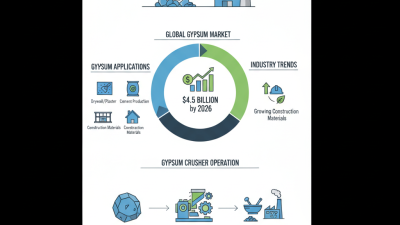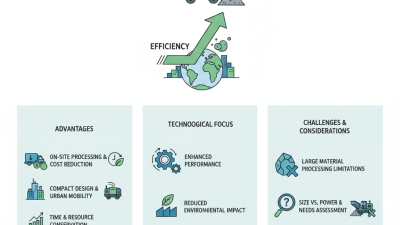
Gypsum may arrive as pale, brittle rock, but its behavior changes with moisture, hardness, and feed size. A Gypsum Crusher must reduce that material evenly without creating excessive fines or frequent stoppages. Details matter. The U.S. Geological Survey’s Mineral Commodity Summaries 2025 documents gypsum production and its major uses, including wallboard and cement. That report offers useful supply-chain context, though it does not rank crusher brands or verify machine performance.
For global buyers, comparing manufacturers means looking beyond advertised capacity. Feed opening, throughput, discharge size, wear-part availability, and service response all affect the equipment’s value at a real plant. A crusher that handles dry rock smoothly may struggle when the feed is damp or uneven. Ask suppliers for test conditions, references from comparable installations, and clear warranty terms. A polished brochure is not operating evidence. Neither is a single production figure without its assumptions.
This guide examines leading manufacturers through practical selection criteria, including equipment range, application experience, customization, and support for overseas projects. It also treats published specifications cautiously: output varies with material and operating conditions. Buyers should confirm those details directly before making a shortlist. No ranking can replace a site-specific assessment, and that limitation deserves attention. The right choice is the one that fits the feed, plant layout, and maintenance capacity—not simply the largest machine.
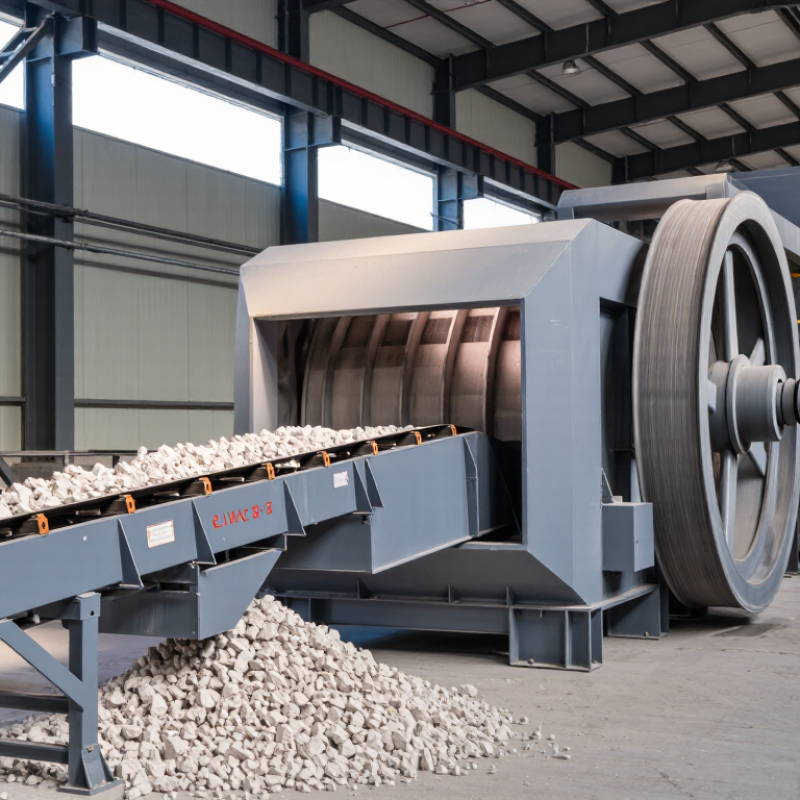
Gypsum crushers turn blasted or quarried rock into manageable pieces for screening, grinding, and later processing. Their role is not simply to make smaller stones. A steady, correctly sized feed helps downstream mills and calciners operate more consistently. The USGS Mineral Commodity Summaries 2024 estimated U.S. gypsum mine production at about 22 million metric tons in 2023. That volume shows why reliable size reduction matters across the supply chain.
At a plant, primary crushers break large blocks, while secondary machines bring material closer to the required product size. Operators adjust settings according to feed size, moisture, and the next process step. A damp feed may cling to screens or build up inside equipment. Dust matters. Enclosed transfer points and effective extraction help control airborne fines, though maintenance still needs attention.
Crusher choice affects product shape, energy use, and wear. Gypsum is relatively soft, but impurities and variable feed can complicate operation. A machine that performs well on dry, clean rock may struggle when clay or wet fines enter the line. This is easy to underestimate. Plants should check particle-size results and inspect wear parts regularly, then revise settings when the feed changes. USGS production figures describe market scale, not plant performance; each operation still needs testing against its own material and product specification.

Choosing a crusher for gypsum depends on feed size, moisture, and the product required. For large raw-rock pieces, a jaw crusher can handle primary reduction. Its compression action is useful when feed sizes vary, though the output usually needs further processing. For secondary crushing, hammer crushers suit gypsum’s relatively soft, brittle structure and can produce smaller material efficiently. Impact crushers are another option when a controlled, more uniform product is needed. Neither choice is automatic. Wet or clay-contaminated feed may stick to internal surfaces and disrupt flow.
For cement production, a coarser, consistent feed may be adequate. Plaster and wallboard processes can require tighter size control, so screening after crushing may help. Roll crushers can reduce material with less impact and may limit excess fines, but their suitability depends on the feed and desired output. Inspect screens and crushing surfaces regularly; gypsum dust can hide wear and buildup. There is no perfect setup for every deposit. A short material test is often more useful than relying on a specification sheet alone.
How to Assess Gypsum Crusher Manufacturers
Assess a gypsum crusher manufacturer by checking whether its equipment matches your feed and product requirements. The USGS Mineral Commodity Summaries 2024 estimated global gypsum mine production at about 160 million metric tons in 2023. That scale makes consistent sizing and dependable service important. Ask for a test using gypsum similar to yours, including its moisture level and feed size. Request measured throughput, product-size distribution, power use, and wear-part life—not just a catalog rating. Ask for proof.
Inspect the details. A plant visit or recorded operating data can reveal how the crusher handles fines, variable feed, and routine maintenance. Check whether screens, bearings, and wear parts are readily available in your region, and ask for realistic delivery and service times. Compare guarantees carefully: stated capacity may depend on feed conditions that differ from your site. No single test tells the whole story. I would also check references from operations with similar material, while treating unusually optimistic estimates with caution. A low purchase price can become costly if changeovers take hours or replacement parts sit in transit. Manufacturer claims are useful, but they need independent operating evidence.
| Assessment Dimension | What to Evaluate | Evidence to Request | Useful Assessment Indicator | Why It Matters |
|---|---|---|---|---|
| Crusher selection | Whether the proposed machine suits the required duty, such as primary size reduction or secondary crushing. Jaw, hammer, and impact crushers serve different process roles. | A process-flow diagram, equipment datasheet, and written explanation of why the selected crusher type fits the feed and product requirements. | The proposal identifies the machine’s position in the process and explains any required screening or secondary crushing. | A suitable crusher configuration helps avoid unnecessary stages and mismatched equipment. |
| Feed and product sizing | Maximum feed size, expected feed-size distribution, target product size, and allowable oversize or fines. | Documented inlet and outlet size ranges, screen details, and a clear description of the test or calculation basis. | Feed and product sizes are stated in measurable units and align with the buyer’s process specification. | Crusher performance depends on the material entering the machine and the product the downstream process requires. |
| Material properties | Gypsum hardness, moisture, impurities, and variation between material sources. Gypsum has a Mohs hardness of about 2, but actual feed behavior can vary. | Questions about representative samples, moisture limits, material preparation, and any material testing used for the proposal. | The supplier records the buyer’s material conditions rather than relying only on a generic “gypsum” description. | Moisture and impurities can affect flow, wear, and the risk of material sticking or blocking the equipment. |
| Capacity and operating conditions | Throughput under the specified feed size, moisture, product size, and operating hours—not just a headline capacity figure. | A capacity basis stating the material assumptions, operating conditions, and any associated equipment included in the estimate. | Capacity figures are tied to defined conditions and distinguish rated capacity from guaranteed performance. | Throughput is influenced by the complete operating setup and cannot be reliably compared without matching assumptions. |
| Wear parts and maintenance | Access to inspection points, routine service requirements, wear-part replacement procedures, and availability of compatible parts. | Maintenance schedule, parts list, recommended stock list, and instructions for safe isolation and replacement. | Common wear items and service intervals are clearly identified; replacement procedures are documented. | Maintainability and parts planning affect uptime, operating cost, and service safety. |
| Dust and safety provisions | Guards, emergency-stop arrangements, access for maintenance, and provisions for connecting dust-control equipment where required. | General arrangement drawings, safety documentation, and a clear statement of which dust-control components are included or excluded. | Safety features and project-specific dust-control interfaces are itemized in the technical offer. | Crushing and material transfer can generate dust; site controls must be designed for the installation and local requirements. |
| Controls and electrical compatibility | Motor and control requirements, available supply conditions, control interfaces, and the scope of the electrical package. | Motor data, electrical drawings, control-system description, and a list of buyer-supplied versus supplier-supplied items. | Voltage, frequency, control scope, and interface responsibilities are confirmed before order placement. | Early compatibility checks help prevent commissioning delays and scope gaps. |
| Quality documentation | Inspection, testing, material traceability, and documentation applicable to the actual equipment and destination market. | Inspection and test plan, sample records, equipment documentation list, and certificates relevant to the project scope. | Documents identify their scope and applicability; certification claims can be verified with the issuing body when appropriate. | Clear records support acceptance, maintenance, and compliance checks without relying on unsupported claims. |
| Delivery and installation support | Manufacturing lead time, packing, shipping terms, installation guidance, commissioning support, and training options. | Project schedule, packing and shipping details, installation requirements, and a written support-scope statement. | Responsibilities, milestones, and any travel or service charges are stated in the commercial offer. | Defined responsibilities make delivery planning and start-up coordination more predictable. |
| Warranty and after-sales service | Warranty duration and exclusions, response channels, technical support availability, and the process for handling service requests. | Written warranty terms, service-contact details, escalation procedure, and spare-parts quotation policy. | Terms specify coverage, start date, exclusions, and how service requests are handled. | Written terms give buyers a practical basis for comparing support, not just equipment price. |
| Commercial transparency | Equipment scope, exclusions, payment milestones, delivery terms, commissioning costs, and any optional items. | Itemized quotation, technical deviation list, and a clearly defined supply boundary. | Quoted price and schedule can be compared on an equivalent scope basis. | A transparent offer reduces the risk of unexpected costs or missing components. |
Buyer tip: Compare suppliers against the same feed conditions, product-size target, capacity basis, and supply scope. Confirm project-specific performance and compliance requirements in writing.
Choosing among top gypsum crusher manufacturers requires more than comparing price lists. Global buyers should examine how each supplier matches the crusher to feed size, gypsum hardness, moisture, and required output. These details affect product consistency and wear-part life. A machine that performs well in a showroom may behave differently with damp, variable feed.
Ask for capacity data under conditions close to your own operation. Request drawings, installation requirements, safety documentation, and a clear list of included components. Useful evidence includes test records, references from comparable plants, and practical maintenance guidance. Check whether replacement parts can be shipped reliably to your site, and confirm service response times in writing. Small delays matter.
Dust control matters. So does noise. A credible manufacturer will discuss these operating issues without promising impossible results. Buyers can also compare rotor design, screen access, energy use, and the time needed for routine inspections. If possible, review a running unit or arrange a supervised material test. It is easy to overlook commissioning and operator training when evaluating quotations. I have seen specifications look complete while leaving these costs unclear. No supplier is perfect; the useful question is how openly a company handles limitations, changes, and support after delivery.
Comparing gypsum crushers starts with the feed, not the brochure. Check moisture, lump size, abrasiveness, and required product grading against your own samples. The USGS Mineral Commodity Summaries 2024 estimated U.S. gypsum mine output at 22 million metric tons in 2023, with about two-thirds of domestic use going to wallboard and plaster products. That scale makes consistent sizing and uptime practical buying priorities. Ask suppliers for test results using similar feed, including throughput, power draw, and the share of material within your target size range.
Small details matter. Compare purchase price with installed cost, wear-part life, energy use, routine labor, and expected downtime. Request written service response times, spare-parts availability, and maintenance intervals; a low quote can become expensive if a critical part takes weeks to arrive. ISO 15686-5:2017 provides a life-cycle costing framework for comparing costs over an asset’s service life. Apply it using local power prices, operating hours, and currency assumptions, then test how the result changes when wear life is shorter than promised. A spreadsheet can mislead. Ask for the assumptions behind every estimate, and verify them with operating references or a supervised site test.