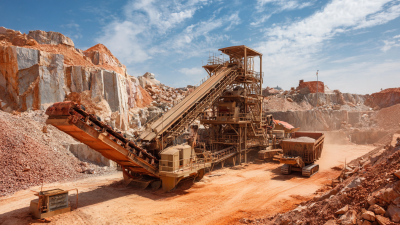
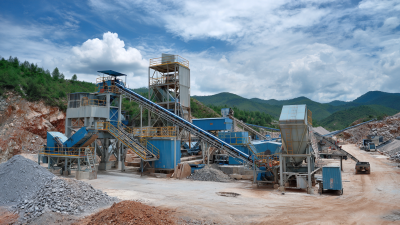
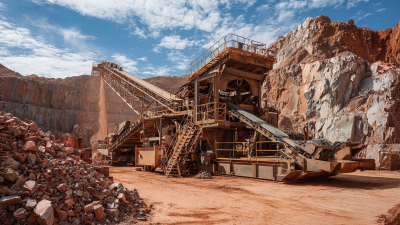
Why Investing in a Stone Crusher is Essential for Your Construction Business Growth
Investing in a stone crusher is not merely a choice; it is a strategic imperative for businesses eager to thrive in the competitive construction industry.
According to a recent report by the Global Construction Insights, the demand for aggregate materials is anticipated to grow by 5.2% annually through 2025.
This trend translates to a pressing need for efficient stone crushing machinery, which is integral in producing high-quality aggregates necessary for a variety of construction applications.
Industry expert Dr. Michael Thompson, a leading figure in construction machinery innovation, emphasizes the significance of this investment:
“A reliable stone crusher can drastically reduce production costs and enhance the quality of end products, setting businesses apart in a saturated market.”
By integrating advanced stone crushing technology, construction firms can not only meet rising material demands but also capitalize on cost efficiencies and improved operational workflows.
As the construction landscape evolves, aligning with the right equipment becomes crucial for sustainable growth and competitive advantage.
The Role of Stone Crushers in Enhancing Construction Efficiency
Stone crushers play a pivotal role in the construction industry by significantly enhancing overall efficiency. They facilitate the processing of raw materials such as granite, limestone, and sandstone into usable aggregates, which are fundamental components in concrete and asphalt production. By streamlining the crushing process, these machines ensure that construction projects can maintain momentum, reducing delays and labor costs associated with manual stone processing.
Moreover, investing in high-quality stone crushers can improve material quality and consistency, which is vital for structural integrity and long-term durability of construction projects. The ability to produce uniformly sized aggregates allows for better mixing in concrete, leading to stronger and more reliable structures. As builders increasingly prioritize sustainable practices, advanced stone crushers also contribute to waste reduction by recycling materials from demolished structures, aligning with eco-friendly building standards and enhancing the construction business's reputation.
Why Investing in a Stone Crusher is Essential for Your Construction Business Growth - The Role of Stone Crushers in Enhancing Construction Efficiency
| Aspect |
Details |
| Initial Investment |
$30,000 - $250,000 depending on the model and capacity |
| Operational Costs |
Includes fuel, maintenance, and labor; typically ranges from $500 - $2,000 per month |
| Production Capacity |
Can produce 30 - 500 tons per hour depending on the crusher type |
| Material Types Processed |
Granite, limestone, basalt, and recycled concrete |
| Return on Investment (ROI) |
Typically within 1-3 years, based on production efficiency and market demand |
| Environmental Impact |
Dust and noise generation; importance of using dust suppression systems |
Key Financial Benefits of Investing in Stone Crushing Equipment
Investing in stone crushing equipment is a pivotal decision for construction businesses looking to enhance their growth trajectories. According to a recent report by the Global Market Insights Inc., the stone crushing equipment market was valued at over $4.5 billion in 2022 and is expected to witness a compound annual growth rate (CAGR) exceeding 8% from 2023 to 2032. This rapid growth underscores the increasing demand for aggregate materials, essential for various construction projects such as roads, bridges, and buildings.
Moreover, owning your stone crushing machinery can dramatically reduce operational costs. A study from Mordor Intelligence indicates that establishing a stone crushing unit can lower material acquisition expenses by as much as 30%, allowing businesses to allocate resources to other critical areas of their operation. Additionally, with the capability to produce customized aggregate sizes, companies can also improve profitability through tailored offerings to meet specific client needs. This versatility not only boosts customer satisfaction but also opens doors to larger-scale contracts, proving the financial prudence of investing in stone crushing equipment.
Competitive Advantages Gained from Modern Stone Crusher Technology
Investing in modern stone crusher technology can provide significant competitive advantages for construction businesses. Advanced stone crushers are designed to enhance productivity while reducing operational costs. They feature greater efficiency in material processing, allowing companies to meet project deadlines more effectively. Additionally, newer technologies often incorporate eco-friendly mechanisms, which not only lower the environmental impact but also align with growing sustainable construction standards.
Tip: When purchasing a stone crusher, consider models with automation features. These can significantly reduce manual labor and increase safety on the job site.
Moreover, modern stone crushers often offer better quality end products. With precise algorithms and superior crushing techniques, these machines can produce consistently graded aggregates that meet industry specifications. This level of quality can be a critical differentiator in bidding for contracts, as clients are increasingly looking for reliable suppliers who can guarantee high standards.
Tip: Always evaluate the after-sales support and warranty options provided by the manufacturer. Reliable support can mitigate downtime and maintain your operational efficiency.
Top Features to Look for in a Quality Stone Crusher for Your Business
When choosing a stone crusher for your construction business, several key features are essential to ensure optimal performance and reliability. First and foremost, durability is crucial; look for crushers made from high-quality materials that can withstand the rigors of heavy usage. A robust frame and wear-resistant components not only extend the lifespan of the equipment but also reduce maintenance costs significantly.
Another important feature to consider is the crusher's capacity and efficiency. Understanding your project needs will help you select a machine that can handle the desired output while maintaining energy efficiency. Additionally, advanced technology features, such as automation and monitoring systems, can improve operational efficiency by allowing for real-time performance tracking and adjustments, minimizing downtime and maximizing productivity. Overall, these features collectively enhance the effectiveness of a stone crusher, enabling your business to grow and meet project demands more effectively.
Maintenance Tips to Maximize the Lifespan of Your Stone Crusher
Investing in a stone crusher can significantly enhance the operational efficiency of your construction business, but its longevity largely depends on proper maintenance. According to a report by MarketsandMarkets, the global stone crusher market is projected to reach USD 4.5 billion by 2025, underlining the importance of maintaining your equipment to capitalize on this growth. Regular upkeep not only improves performance but also reduces the risk of costly breakdowns that can halt project timelines.
To maximize the lifespan of your stone crusher, it's essential to implement a routine maintenance schedule, including daily inspections and weekly checks of components like belts, chains, and bearings. A report from the American Society of Civil Engineers suggests that businesses performing proactive maintenance can extend equipment life by up to 30%. Additionally, lubricating moving parts and regularly replacing worn-out components can mitigate wear and tear. According to a publication by the Construction Industry Institute, proper maintenance can increase equipment availability by 15-20%, enabling you to meet project deadlines effectively while minimizing operational costs.