Top Mining Machinery Innovations Transforming the Industry Today?
The mining machinery industry is undergoing a remarkable transformation. Experts are exploring innovative technologies that enhance efficiency and safety. According to Dr. Emily Harris, a leading authority in mining technology, "Innovation in mining machinery will redefine our approach to resource extraction."
Today's mining machinery incorporates automation, artificial intelligence, and advanced materials. These advancements improve productivity while reducing environmental impact. Companies are investing heavily in smart machinery that can autonomously handle complex tasks. However, there are challenges. Integration costs can be high, and worker retraining is essential.
Innovation must also consider sustainable practices. Balancing technology and environmental responsibility is crucial. As Dr. Harris highlights, “Without innovation, we risk stagnation.” The future of mining machinery depends on our ability to adapt and embrace change. This ongoing evolution raises questions about workforce dynamics and operational sustainability.
Innovations in Automation: Revolutionizing Mining Operations
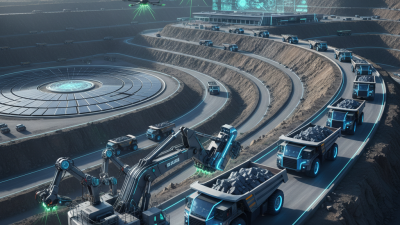
The mining industry is undergoing a significant transformation through innovations in automation. Advanced technologies are reshaping how operations are conducted, enhancing efficiency and safety. Automated machinery such as autonomous trucks and drills are now commonplace at many mines. These machines can operate continuously, reducing the need for human presence in hazardous areas. However, there are challenges. The initial investment for automation can be high, which may deter smaller companies.
Another notable innovation is the use of artificial intelligence. AI systems analyze vast amounts of data to optimize processes. They can predict equipment failures, allowing for proactive maintenance. Yet, reliance on AI raises concerns about data security and job displacement. Finding the right balance between technology and human expertise remains crucial.
Real-world examples illustrate these changes. Some mines have reported increased production rates since adopting automated systems. Conversely, instances of technical glitches have caused delays in operations. The evolution of mining automation provides valuable lessons. Embracing innovation while addressing potential drawbacks is essential for sustainable growth in the industry.
The Role of Artificial Intelligence in Mining Machinery Development
Artificial intelligence (AI) is revolutionizing the mining machinery sector in notable ways. By integrating AI, machines can now perform smarter operations. For example, autonomous trucks analyze terrains and optimize routes in real-time. This reduces fuel consumption and increases efficiency. Each data point collected helps improve future performance, showcasing the iterative nature of AI.
Moreover, machine learning plays a crucial role in predictive maintenance. By analyzing patterns in equipment performance, potential failures can be anticipated before they occur. This not only cuts down on downtime but also minimizes repair costs. However, it’s essential to acknowledge the human element in this technology. Operators must be trained to understand AI insights. Some may struggle to adapt, leading to hesitance in fully utilizing these advancements.
As AI continues to evolve, ethical considerations emerge. The reliance on data raises questions about privacy and data security. Mining companies must navigate these challenges while harnessing AI's benefits. Balancing innovation with responsibility is critical to building trust across the industry. The journey of AI in mining is ongoing, reflecting both its potential and the need for careful oversight.
Sustainable Technologies Enhancing Environmental Responsibility in Mining
The mining industry is undergoing a significant transformation as it embraces
sustainable technologies. These innovations aim to reduce the
environmental impact of mining operations. Companies are focusing on
cleaner methods, which play a pivotal role in promoting
eco-friendliness and sustainability.
One notable advancement includes the use of electric machinery.
Electric vehicles and machines are less polluting compared to traditional diesel-powered options.
This shift not only minimizes carbon emissions but also lowers operational costs in the long run.
Additionally, more sites are adopting
renewable energy sources, such as solar and wind, to power their operations.
This transition contributes greatly to reducing the mining industry's carbon footprint.
However, the implementation of these technologies is not without challenges. Retrofitting existing equipment
can be costly and complicated. Some companies may lack the
necessary expertise to adapt to these new methods. Moreover, the mining sector must address its mining
waste management practices to further enhance environmental responsibility. This requires ongoing
innovation and commitment,
as the journey towards sustainable mining continues to unfold.
Advanced Materials and Their Impact on Mining Equipment Durability
The mining industry faces constant pressure to improve efficiency and durability. Advanced materials have emerged as game-changers in mining equipment. For instance, the global mining machinery market is projected to reach $192 billion by 2026, highlighting the demand for cutting-edge technology.
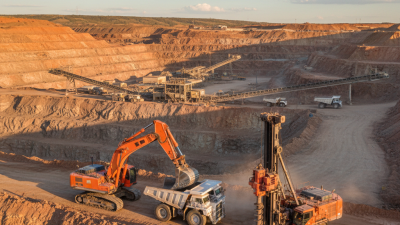
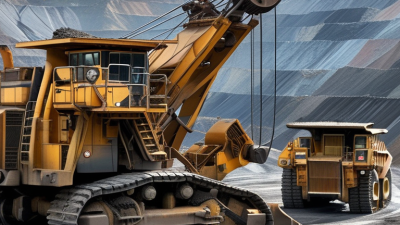
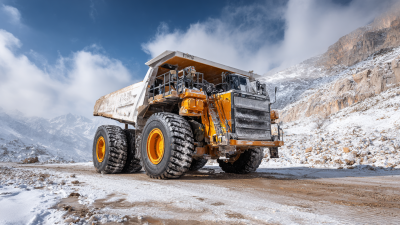
High-strength steels and composites reinforce excavators and haul trucks. These materials can withstand extreme conditions. According to a report by Research and Markets, incorporating these innovations can increase equipment lifespan by up to 30%. However, the adaptation process is slow. Many companies still rely on outdated materials, risking operational efficiency and safety.
The issue of adopting new technologies is complex. Training for new material implementation can be costly and time-consuming. Additionally, while advanced materials improve durability, their long-term environmental impact remains uncertain. Industries must strike a balance between innovation and sustainability.
Top Mining Machinery Innovations Transforming the Industry Today
| Innovation |
Impact on Durability |
Material Used |
Application Area |
Pros |
Cons |
| High-Strength Steel Components |
Increased resistance to wear and tear |
Alloyed steel |
Excavators |
Longer life span, reduced maintenance |
Higher initial cost |
| Composite Materials |
Enhanced impact resistance |
Carbon fiber reinforced polymers |
Dump trucks |
Lightweight, fuel efficiency improvements |
Complex manufacturing processes |
| Smart Sensors |
Prolonged equipment life through predictive maintenance |
Advanced electronic materials |
All types of machinery |
Data-driven insights, increased uptime |
Dependency on technology |
| Wear-Resistant Coatings |
Reduction in surface degradation |
Ceramic and polymer coatings |
Drill bits |
Increased durability, lower replacement costs |
Application challenges |
| Hydraulic Systems Optimization |
Improved efficiency and extended life |
Specialized hydraulic fluids |
Excavators and loaders |
Increased performance, better fuel economy |
Potential for higher maintenance |
Data Analytics: Transforming Decision-Making in Mining Operations
In today's mining industry, data analytics plays a crucial role in enhancing decision-making processes. The application of advanced analytics allows companies to optimize operations. Research indicates that organizations using data analytics improve productivity by 20%. Such advancements drive efficiencies, reduce costs, and enhance safety.
Mining operations generate vast amounts of data daily. However, not all data is useful. Companies must sift through the noise to extract relevant insights. Properly implemented analytics tools help identify trends and predict equipment failures. About 70% of mining companies report improved maintenance scheduling through data insights. Yet, challenges remain, such as the need for skilled personnel to interpret these analytics effectively.
The integration of real-time data allows for proactive decision-making. Operators can respond quickly to changing conditions. Surprisingly, 40% of mining firms still rely on traditional methods. This highlights the gap between potential and practice. Continuous investment in training and technology is essential. As more companies recognize data’s power, the industry’s landscape is set for a significant shift.
Top Mining Machinery Innovations Transforming the Industry Today
This chart illustrates the impact of various data analytics technologies on decision-making efficiency within mining operations over the past five years. The data reflects percentage improvements in operational performance due to technological innovations.