Top Mining Machinery Trends to Watch in 2025 for Industry Success
As we look towards 2025, the mining machinery sector is on the cusp of transformative changes driven by technological advancements and evolving market demands. According to a report by Research and Markets, the global mining equipment market is projected to reach $150 billion by 2025, reflecting a robust growth trajectory spurred by the increasing need for efficient and sustainable mining operations. This surge underscores the critical role that mining machinery will play in optimizing resource extraction, improving safety standards, and reducing environmental impacts.
Emerging trends such as automation, electrification, and the integration of artificial intelligence are reshaping the landscape of mining machinery. The International Energy Agency highlights that these innovations not only enhance operational efficiency but also contribute significantly to reducing carbon emissions in line with global sustainability goals. As industry leaders adopt these technologies, it becomes essential for stakeholders to stay informed about the latest advancements and trends that will define the future of mining machinery.
In this context, understanding the key trends of mining machinery for 2025 is vital for stakeholders across the industry. This not only ensures competitive advantage but also aligns with the industry's shift towards more sustainable practices. By focusing on these emerging trends, companies can strategically position themselves to meet the demands of an evolving market while ensuring continued success in their mining operations.
Emerging Technologies Reshaping Mining Machinery in 2025
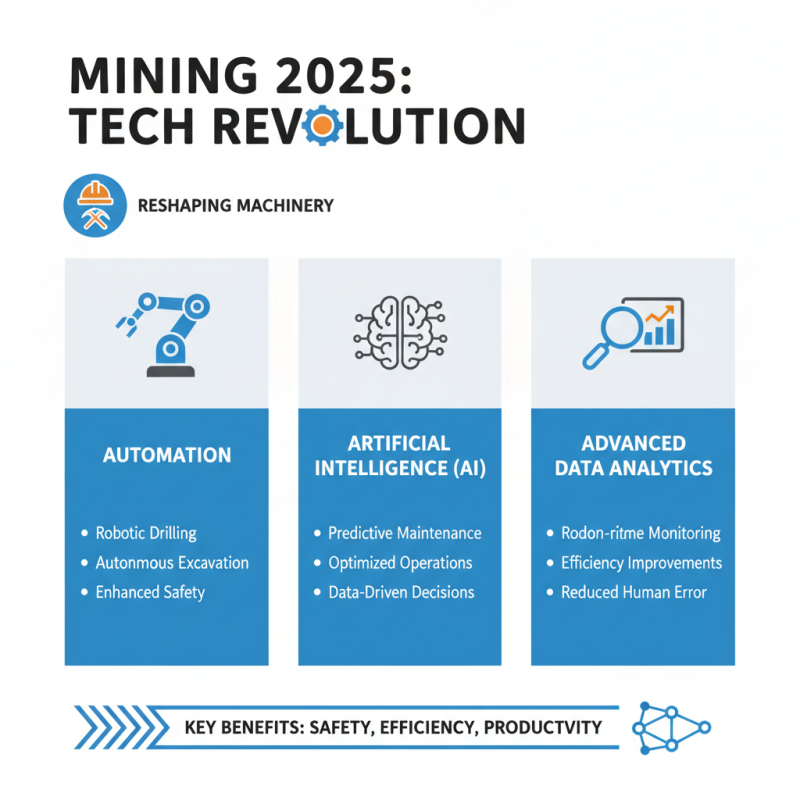
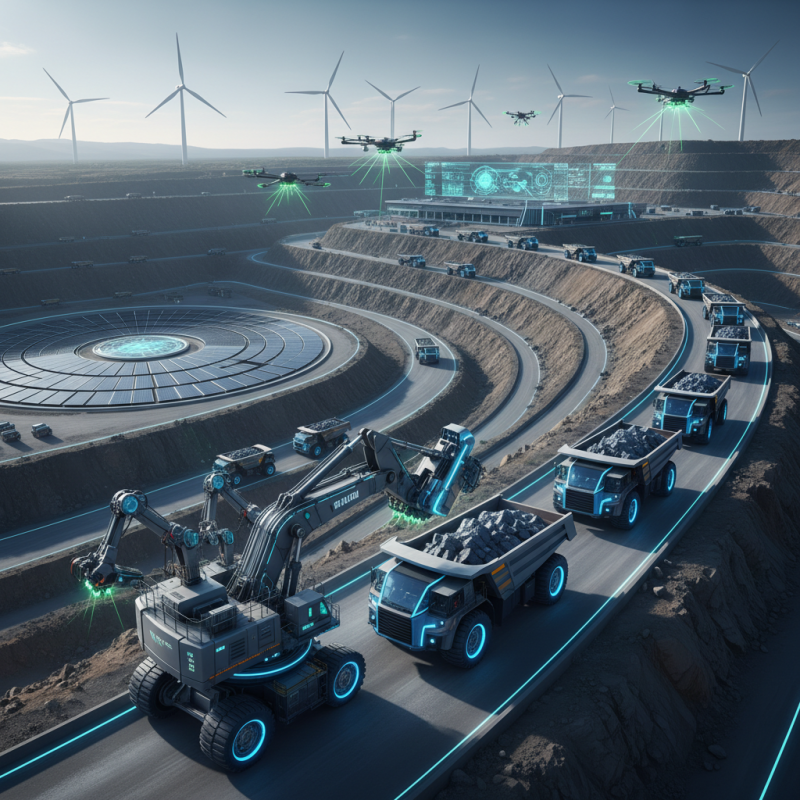
As the mining industry heads towards 2025, emerging technologies are set to significantly reshape the landscape of mining machinery. Innovations such as automation, artificial intelligence (AI), and advanced data analytics are transforming operational efficiencies. Automation is particularly crucial, enabling mines to utilize robotic systems for drilling and excavation, thereby minimizing human error and enhancing safety in hazardous environments.
Furthermore, the integration of AI allows for more predictive maintenance of machinery, which reduces downtime and extends equipment lifespan. Data analytics plays a pivotal role in optimizing resource management, helping companies make informed decisions based on real-time data and trends. The synergy of these technologies not only boosts productivity but also promotes sustainable practices within the industry.
Tips for mining companies looking to leverage these technologies include investing in training programs for personnel to adapt to new systems and tools. Additionally, collaborating with technology providers can facilitate smoother transitions and upgrades, ensuring that operations keep pace with advancements. Lastly, staying informed about technological trends through industry forums and conferences can help companies remain competitive in this rapidly evolving sector.
Sustainability Practices Driving Mining Equipment Innovation
Sustainability is increasingly at the forefront of mining operations, significantly influencing equipment innovation within the industry. According to a report by the International Council on Mining and Metals (ICMM), over 60% of mining companies are prioritizing sustainability practices as part of their operational strategies. This shift is not merely a response to regulatory pressures or public sentiment but is becoming a core component of corporate strategies aimed at enhancing overall efficiency and reducing environmental impact. The integration of eco-friendly technologies, such as electric and automated machinery, is expected to increase in the coming years, with projections suggesting that the global market for green mining equipment will reach $24 billion by 2025.
The move towards sustainable mining practices is driving manufacturers to innovate continuously. The use of renewable energy sources to power mining machinery can lead to significant reductions in carbon emissions, with some estimates indicating a potential cut in emissions by up to 50% as companies transition to cleaner energy solutions. Additionally, advancements in artificial intelligence and data analytics are enabling mining operations to optimize resource extraction processes, minimize waste, and enhance safety. This focus on sustainability not only aligns with environmental goals but also presents significant economic opportunities for operators who embrace these innovations, ultimately paving the way for a more resilient and responsible mining industry.
Automation and Robotics: The Future of Mining Operations
As mining operations evolve, automation and robotics are set to revolutionize the industry, enhancing efficiency and safety. According to a report by Research and Markets, the global mining automation market is projected to reach $3.29 billion by 2025, growing at a compound annual growth rate (CAGR) of 8.7%. This surge is driven by the need for cost reduction and improved operational performance, with automation playing a pivotal role in streamlining mining processes from exploration to production.
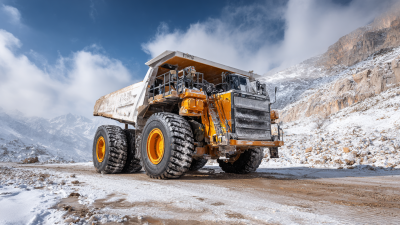
Robotic technologies are transforming how mining companies approach their daily operations. The implementation of autonomous haul trucks and drilling rigs allows for continuous operation, minimizing downtime while increasing productivity. A study by the International Council on Mining and Metals indicates that automation could potentially lead to a 30% reduction in operational costs, making it a significant consideration for industry players looking to enhance their competitiveness. As robots and AI-driven solutions become more integrated into mining workflows, the focus on workforce safety will also increase, reducing the risks associated with hazardous mining environments.
Data Analytics and AI in Enhancing Machinery Efficiency
As the mining industry evolves, the integration of data analytics and artificial intelligence (AI) is increasingly becoming pivotal in enhancing machinery efficiency. Companies are now harnessing vast amounts of data generated from machinery operations to optimize performance. By analyzing operational data in real-time, mining operations can identify inefficiencies, predict equipment failures, and streamline their processes. This predictive maintenance, enabled by AI algorithms, not only minimizes downtime but also extends the lifespan of mining equipment.
Moreover, the use of AI-driven analytics allows for more informed decision-making in resource allocation and management. By leveraging data, companies can assess the potential impacts of various operational strategies, enabling them to tailor their approaches to optimize productivity. Advanced analytics can also facilitate better scenario planning, enhancing the ability to respond to market shifts or operational challenges proactively. As the mining sector continues to embrace these technologies, the synergy between data analytics and AI will undoubtedly lead to significant improvements in machinery efficiency, ultimately driving industry success in 2025 and beyond.
Top Mining Machinery Trends to Watch in 2025 for Industry Success
| Trend |
Description |
Impact on Efficiency |
Projected Adoption Rate (%) |
| Data Analytics |
Utilizing big data to optimize machinery performance. |
Enhanced decision-making and operation efficiency. |
75 |
| Artificial Intelligence |
Implementing AI for predictive maintenance. |
Reduced downtime and maintenance costs. |
68 |
| Automation |
Increased automation in drilling and excavation processes. |
Higher production rates and safety improvements. |
80 |
| Remote Monitoring |
Use of IoT for real-time machinery performance monitoring. |
Proactive issue detection and operational optimization. |
70 |
| Sustainability Practices |
Incorporating eco-friendly technologies in machinery. |
Improvement in efficiency and compliance with regulations. |
65 |
Industry Partnerships and Collaborations for Mining Advancements
In the rapidly evolving mining industry, partnerships and collaborations are becoming essential for driving innovation and efficiency. According to a report by Markets and Markets, the global mining equipment market is expected to grow from USD 100 billion in 2020 to USD 130 billion by 2025, highlighting the need for industry stakeholders to join forces to stay competitive. Collaborative efforts can streamline operations, improve safety protocols, and enhance the overall productivity of mining activities. By leveraging joint ventures, companies can share resources, expertise, and technology, ultimately leading to significant cost reductions and increased operational efficiencies.
Moreover, the adoption of advanced technologies such as automation and AI-driven analytics is paving the way for more effective mining strategies. A study by PwC indicates that partnerships focusing on technological advancements can lead to performance improvements of up to 30%. With shared platforms for data analytics and automation systems, mining companies can achieve better resource management and predictive maintenance, which significantly decreases downtime and enhances productivity. As the sector faces increasing regulatory pressures and environmental challenges, collaborations that focus on sustainable practices will also become critical. By working together, companies can develop cleaner technologies and optimize their resource extraction processes, thereby promoting a more sustainable future for mining.
Top Mining Machinery Trends to Watch in 2025