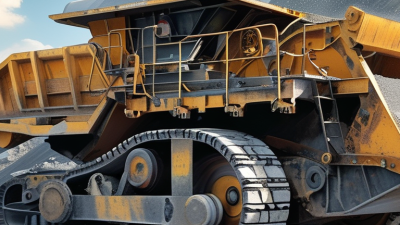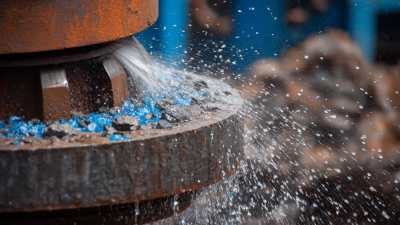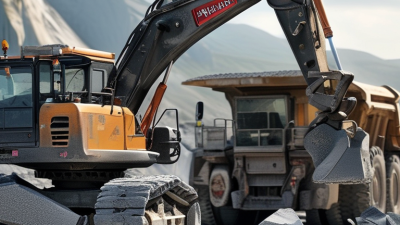
Quartz processing begins with a hard, abrasive rock and ends with tightly controlled grains. A Quartz Crusher must handle both tasks reliably. Feed size, silica content, moisture, and the required product shape all affect equipment choice. Small details matter: a worn jaw plate or poorly adjusted discharge setting can change particle size and increase downtime.
Industry data offers useful context. The U.S. Geological Survey’s Mineral Commodity Summaries 2025, in its industrial sand and gravel chapter, tracks production, uses, and trade. These figures show why consistent processing matters to glassmaking, foundry work, and other silica-dependent industries. China’s National Bureau of Statistics also provides broad manufacturing and mining indicators, though it does not rank individual crusher brands. That distinction is easy to overlook.
This guide examines ten Chinese manufacturers through practical criteria: product range, stated capacity, machine design, service support, and available technical documentation. Company claims should be checked against model specifications, site conditions, and independent buyer references. A published output figure is not a promise; feed characteristics can shift real performance. Not every supplier publishes equally detailed evidence, either. That is a limitation worth noting. The comparison is intended to help buyers ask sharper questions, not to replace engineering checks or factory verification.

Quartz scores 7 on the Mohs scale, making it harder than many common rock-forming minerals. That number matters, but it is not a crusher specification. The Mohs scale ranks scratch resistance; it does not directly measure impact strength or predict liner life. Still, quartz wears parts quickly. Sharp grains can leave a gritty film on chute walls and rounded wear marks on metal surfaces.
The USGS Mineral Commodity Summaries 2025 estimates U.S. industrial sand and gravel production at about 120 million metric tons in 2024, illustrating the scale of silica processing. For quartz crushing, inspect feed size, moisture, and the share of abrasive fines before selecting equipment. A jaw crusher often suits primary reduction, while cone crushing can provide controlled secondary sizing. Highly abrasive feed may require more frequent wear-part checks and a realistic maintenance allowance. Not just hardness. A small trial matters. Compare product shape, power draw, and wear over a measured tonnage; catalog capacity alone can mislead. I would not choose a machine from Mohs hardness alone. That shortcut is tempting, and sometimes wrong.
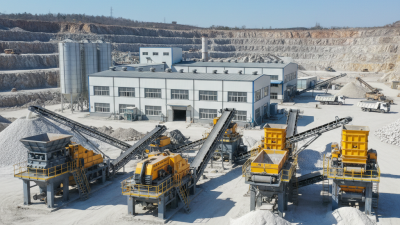
Quartz has a Mohs hardness of 7, harder than common minerals such as calcite and feldspar. Its hardness contributes to abrasive wear, so crusher selection should account for wear-resistant components and operating conditions. The Mohs scale ranks scratch resistance; it does not directly measure toughness or overall abrasivity.
A useful ranking starts with comparable operating figures, not headline capacity alone. USGS Mineral Commodity Summaries 2024 estimated U.S. industrial sand and gravel output at about 120 million short tons in 2023. This signals the scale of silica-related markets, but it is not a crusher-capacity benchmark. Ask suppliers for capacity in tonnes per hour under stated feed conditions. A 500 mm feed opening means little if the actual quartz feed is larger or uneven.
Check the maximum feed size, discharge setting, and finished-product grading together. ASTM C136/C136M describes sieve analysis for determining aggregate particle-size distribution, a practical method for checking output claims.
Quartz is hard and abrasive; compare liner material, replacement intervals, and wear cost per tonne. Ask for operating records, not just alloy names. That distinction is easy to miss. Reported wear life may change with feed shape and operating practice.
Tips: Request a test using representative quartz, then compare throughput, product-size results, and liner wear from the same run. Keep the feed-size range and test duration on record. Small details matter.
Quartz is hard and abrasive, so crusher selection affects both product size and wear costs. Jaw crushers commonly handle primary reduction. Their wide feed openings accept blasted quartz, while adjustable settings control the first-stage output.
Check the feed size carefully. Oversized rock can cause blockages and uneven loading. Sharp fragments may also increase wear on liners and downstream equipment.
Cone crushers often reduce jaw-crushed quartz into smaller, more consistent fractions. Operators can adjust the closed-side setting to suit the target size, but liner condition and feed consistency matter.
VSI machines use high-speed impact to shape particles and produce manufactured sand. They can improve particle form, though abrasive quartz may wear rotors and anvils quickly.
Not every plant needs all three types. A site producing coarse aggregate may not benefit from a VSI, while a sand producer may need one.
Still, the best sequence is not always obvious. Test representative feed samples, track wear, and compare finished-product grading before committing to a configuration.
Dust control and steady feeding deserve attention too; they are easy to underestimate.
A useful comparison of ten Chinese quartz-crusher manufacturers starts with machine range, not headline capacity. Their published catalogs may cover jaw crushers for primary breaking, cone crushers for hard-rock reduction, and impact or vertical-shaft machines for shaping. Some also list screens, feeders, and complete crushing lines. Quartz is abrasive, so ask how wear parts are specified and whether the proposed setup suits your feed size and target product. Small details matter.
Published performance data needs careful reading. Compare feed opening, rated capacity, discharge range, installed power, and motor configuration under similar conditions. A capacity figure without feed size, material hardness, or product-size context is hard to use. Check whether the numbers describe one machine or a full plant. That is easy to miss. Treat catalog figures as manufacturer claims unless a test report or operating reference supports them. Request the test conditions, expected wear-part life, and a sample layout for your material. Data can look precise while leaving practical questions open. A small gap in the specification may change the equipment choice.
Comparing quartz crusher suppliers starts with the feed, not the headline capacity. Ask for throughput figures based on your quartz size, moisture, and target product. A machine handling coarse rock may perform differently with smaller feed. Request a test report or a site reference using similar material. Measure real output. Check the percentage of usable product, not just tons per hour. Ask how screen settings and wear parts affect production between maintenance stops.
Energy use deserves a direct comparison. Request power consumption per ton under stated operating conditions, then compare machines doing the same job. A lower motor rating alone proves little. Noise matters too. For service, confirm spare-part availability, response times, installation support, and operator training. Put these details in writing. Check that certificates match the machine model and issuing body, and ask what each certificate actually covers. Some documents may relate to components rather than the full system. Visit a working site if possible, and observe feed handling, dust control, and routine checks. Keep records. Supplier claims can sound precise; real operating data may still be incomplete, so leave room for verification.
This is a supplier-comparison worksheet, not a verified manufacturer ranking. Company-specific performance and certification details should be checked against current model documents, quotations, and certificate records; no supplier figures are assumed here.
| No. | Comparison dimension | What to compare | Evidence to request | Comparison record |
|---|---|---|---|---|
| 1 | Throughput | Guaranteed tonnes per hour for the specified quartz feed and required product size. Capacity depends on feed size, hardness, moisture, and circuit configuration. | Model-specific capacity sheet and a written guarantee stating feed conditions, product specification, and test method. | Enter quoted t/h and operating conditions. |
| 2 | Product size and shape | Target output-size range, percentage passing the specified screen size, and particle-shape requirements. | Screen analysis from a comparable feed and a clearly defined acceptance test. | Enter target size and test result. |
| 3 | Energy use | Compare measured specific energy in kWh per tonne under equivalent feed and product conditions. Motor nameplate power alone is not energy consumption per tonne. | Power-meter readings and measured throughput from a defined operating test. | Calculate kWh/t = measured kW ÷ measured t/h. |
| 4 | Quartz feed suitability | Acceptable maximum feed size, abrasiveness, moisture limits, and recommended crusher type for the proposed duty. | Written process recommendation based on the buyer’s feed sample or representative material data. | Record limits and proposed configuration. |
| 5 | Wear parts and operating cost | Wear-part material, expected service life under stated conditions, replacement cost, and replacement procedure. | Itemized wear-parts list, material specifications, and service-life assumptions. | Compare cost per operating hour or tonne using stated assumptions. |
| 6 | Plant configuration | Included feeders, screens, conveyors, dust-control provisions, controls, and installation scope. | Process flow diagram, equipment list, and scope-of-supply document. | Mark included, optional, or excluded items. |
| 7 | Service and commissioning | Commissioning scope, technician availability, response process, remote support, and applicable travel or service charges. | Written service plan, support contacts, response-time commitments, and commissioning terms. | Record response commitment and cost terms. |
| 8 | Spare-parts availability | Availability of critical parts, dispatch arrangements, lead times, and parts identification documentation. | Recommended initial spares list, current lead-time estimates, and parts catalogue. | Record quoted lead times and stocking options. |
| 9 | Certifications and compliance | Confirm which certifications or conformity documents apply to the exact manufacturer, facility, equipment model, and destination market. | Current certificate copies and issuing-body details; verify scope, validity, and applicability independently. | List document, scope, validity, and verification status. |
| 10 | Warranty and performance test | Warranty duration and exclusions, acceptance-test conditions, remedies for unmet guarantees, and payment milestones. | Draft contract clauses and a signed performance-test protocol. | Record agreed terms and outstanding conditions. |