Top 10 Bentonite Crusher Manufacturers for Global Buyers?
Bentonite, a natural clay with unique properties, is essential in many industries. It is widely used in drilling mud, foundry sand, and even as a binding agent in various applications. The demand for Bentonite Crusher has surged as industries aim for efficiency and quality. A recent market report indicates that the global bentonite market will reach $1.66 billion by 2025, reflecting a steady growth rate of 4.5%.
Investing in reliable bentonite crushing solutions is crucial. The right manufacturer can provide machines that enhance the processing of this versatile material. Poor quality crushers can lead to inefficiencies. They can result in increased costs and operational downtime. Therefore, understanding the landscape of manufacturers is vital for global buyers.
Growing competition in the bentonite industry necessitates strategic partnerships with renowned manufacturers. Buyers must assess their options carefully. They should consider technology, after-sales support, and the ability to customize solutions. A thorough evaluation can ensure that industries gain a competitive edge while maximizing the value of their bentonite resources.
Overview of Bentonite and Its Applications in Industry
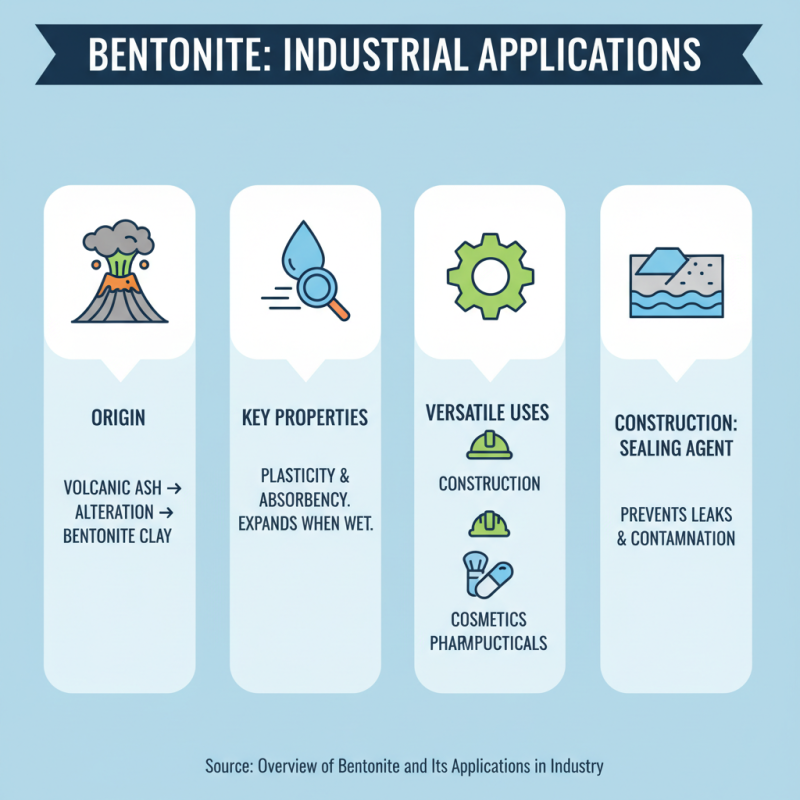
Bentonite is a versatile clay known for its unique properties, such as plasticity and absorbency. It forms when volcanic ash alters over time. This natural resource plays a crucial role in various industries, including construction, cosmetics, and pharmaceuticals. In construction, bentonite acts as a sealing agent in landfills, preventing leaks and contamination. Its ability to expand when wet makes it an ideal barrier.
In the oil and gas sector, bentonite helps in drilling fluids. It stabilizes boreholes, preventing collapse during extraction. In the cosmetic industry, this clay is valued for its detoxifying effects, often found in facial masks and cleansers. Despite its benefits, sourcing high-quality bentonite can be challenging. Not all deposits have the same purity or composition, and this inconsistency can affect product quality.
Environmental concerns also arise with bentonite mining. Operational practices must minimize land disruption. Educating manufacturers about sustainable extraction methods is critical. So, while bentonite offers extensive advantages across industries, careful consideration of its sourcing and application remains essential for long-term viability.
Criteria for Selecting a Bentonite Crusher Manufacturer
When selecting a bentonite crusher manufacturer, several criteria should be considered. Reliability plays a crucial role in ensuring the equipment operates consistently. Look for manufacturers with a track record. Industry reports indicate that the quality of machinery directly impacts productivity. A high-quality crusher can enhance crushing efficiency by 30-40%.
Quality assurance is vital. Manufacturers offering warranties and services demonstrate confidence in their products. A recent study from a well-known industry association noted that 62% of buyers value post-purchase support. This suggests that ongoing service can enhance the user experience.
Tips: Always ask about the materials used in construction. The durability of a bentonite crusher depends on its build quality. Furthermore, consider the customization options. A one-size-fits-all solution may not meet your specific needs. Engaging with manufacturers who can tailor their products is beneficial. Research shows that 45% of users require modifications for optimal performance.
Top 10 Bentonite Crusher Manufacturers: A Detailed Analysis
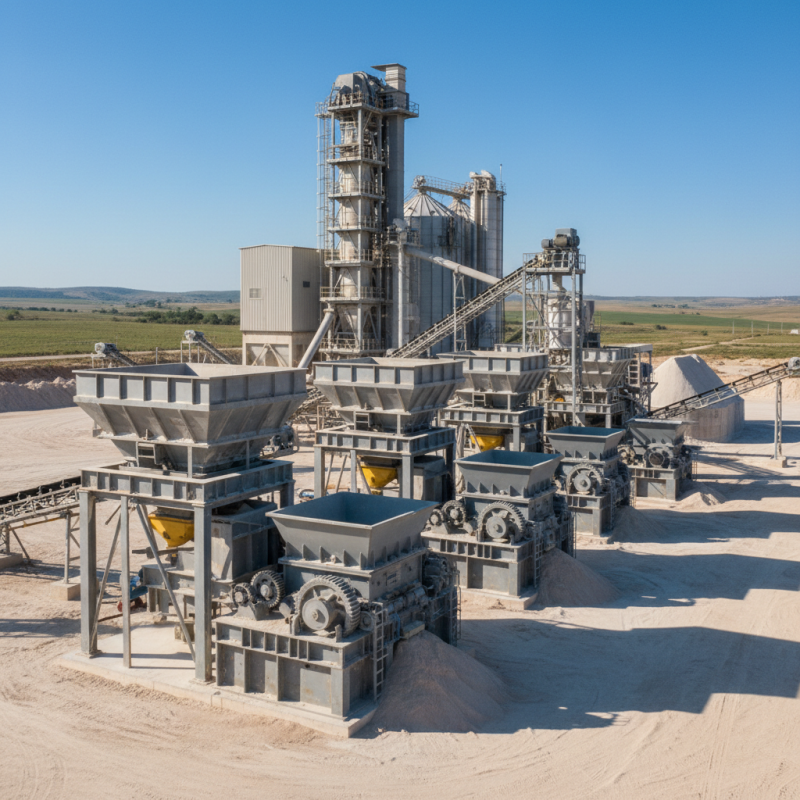
Bentonite crushers play a vital role in various industries, particularly in mining and construction. These machines are essential for breaking down bentonite clay, which is known for its versatility and high absorption qualities. The best manufacturers focus on efficiency and durability in their designs. Users often face challenges in selecting the right equipment due to the overwhelming number of options available.
Each manufacturer brings unique features to the table. Factors such as machine size, capacity, and energy consumption are crucial. Buyers must also consider after-sales service and spare parts availability. These aspects often reveal the long-term reliability of the equipment. It can be perplexing to assess which features are truly beneficial and which may be unnecessary for specific needs.
Furthermore, while some manufacturers promote groundbreaking technology, it's essential to scrutinize their claims. Real-world performance can vary widely. Investigating customer reviews and expert opinions can provide deeper insights. Buyers should remain critical and weigh their choices carefully. This diligence can lead to selecting a bentonite crusher that meets their operational demands effectively.
Top 10 Bentonite Crusher Manufacturers - Production Capacity Analysis
Customer Reviews and Feedback on Leading Manufacturers
Customer reviews can provide valuable insights into the performance of bentonite crushers. Buyers often share their experiences regarding efficiency, durability, and customer service. For instance, many reviews highlight how well a particular model can handle tough materials. Users appreciate when machinery delivers reliable results in diverse operational conditions.
Some feedback also reveals areas for improvement. A few customers mention issues with maintenance and parts availability, which can be frustrating. Others desire more comprehensive manuals or better technical support. While reviews are generally positive, there is a shared sentiment that clear communication from manufacturers could enhance user experience.
Additionally, regular updates and upgrades from manufacturers can impact customer satisfaction significantly. From the perspectives of buyers, timely responses to inquiries are crucial. Each piece of feedback contributes to a broader understanding of what makes a bentonite crusher truly reliable. As potential users explore options, these insights remind them to weigh both strengths and weaknesses.
Future Trends in Bentonite Crushing Technology and Innovations
The future of bentonite crushing technology is evolving. Companies are increasingly focusing on efficiency and sustainability. Innovations in machinery design aim to reduce waste. Advanced automation improves precision in the crushing process. This shift allows for higher output with lower energy consumption.
New materials and coatings are being tested for crusher components. These advancements enhance durability and reduce maintenance needs. Some manufacturers explore AI-driven analytics. This technology can predict failures and optimize performance. However, the challenge lies in implementation. Adapting to new technologies can be costly and time-consuming.
As the industry grows, there is a push for eco-friendly solutions. Techniques that minimize environmental impact are gaining traction. Better management practices are essential. Companies must continuously assess their methods. Regular reviews can help align with technological advancements. The path forward requires an open mindset and willingness to innovate.
Top 10 Bentonite Crusher Manufacturers for Global Buyers
| Manufacturer Location |
Annual Production Capacity (tons) |
Key Technology Used |
Market Share (%) |
Recent Innovations |
| North America |
500,000 |
Impact Crushing Technology |
25% |
Automation in Processing |
| Europe |
600,000 |
Roller Crushing Technology |
20% |
Energy-efficient Designs |
| Asia |
700,000 |
Jaw Crushing Technology |
30% |
AI-Driven Predictive Maintenance |
| South America |
200,000 |
Cone Crushing Technology |
10% |
Modular Crushing Plants |
| Africa |
300,000 |
Hammer Crushing Technology |
15% |
Sustainable Practices |
| Australia |
350,000 |
Vertical Shaft Crushing Technology |
5% |
Remote Monitoring Systems |
| Middle East |
250,000 |
Gyratory Crushing Technology |
8% |
Hybrid Energy Solutions |
| Russia |
400,000 |
Custom Crushing Solutions |
18% |
Flexible Design Features |
| Canada |
450,000 |
Crushing and Screening Technology |
12% |
Recycling Initiatives |
| India |
550,000 |
Hybrid Crushing Technology |
22% |
Smart Automation |