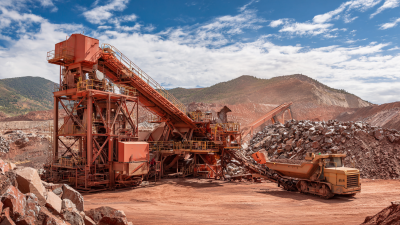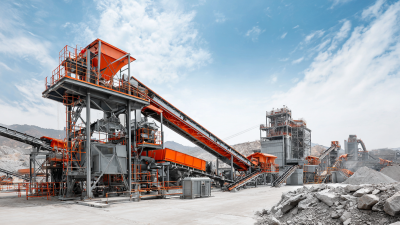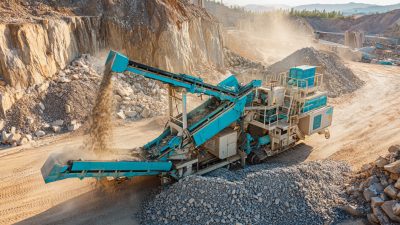
When embarking on a construction or landscaping project, selecting the right equipment is crucial to achieving optimal results. Among the myriad of options available, a Granite Crusher stands out as a highly effective tool for breaking down and processing granite materials. With various models on the market, it can be overwhelming to choose the one that best fits your specific needs. This article aims to illuminate the top five Granite Crusher models you should consider for your next project, ensuring that you make a well-informed decision.
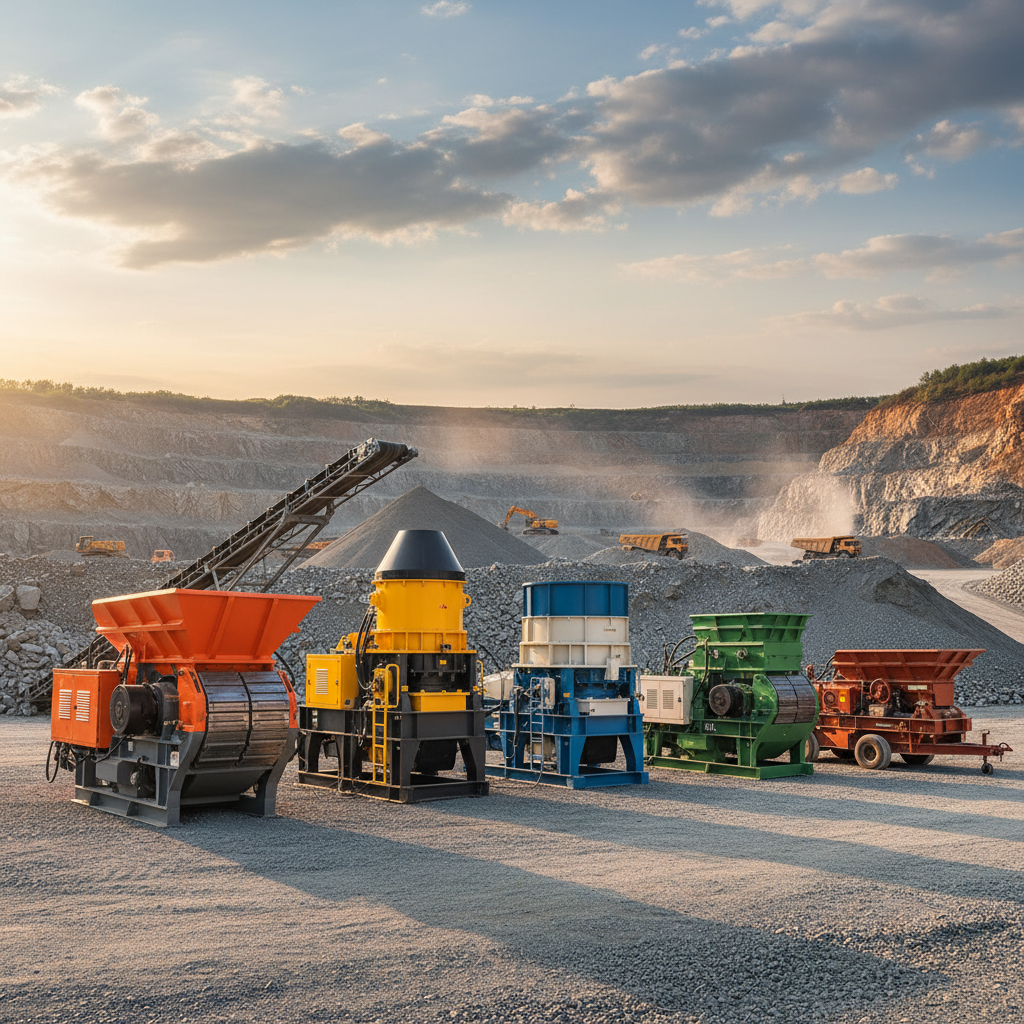
Granite Crushers not only enhance the efficiency of your project but also impact the final output quality. Each model comes with unique features tailored to different scales and types of operations. Whether you are dealing with large-scale mining or small residential renovations, understanding the nuances between these models can save you time and resources. As we explore these top five choices, we'll provide insights and tips to help you navigate the selection process, ensuring that you find the perfect Granite Crusher to meet your project requirements.
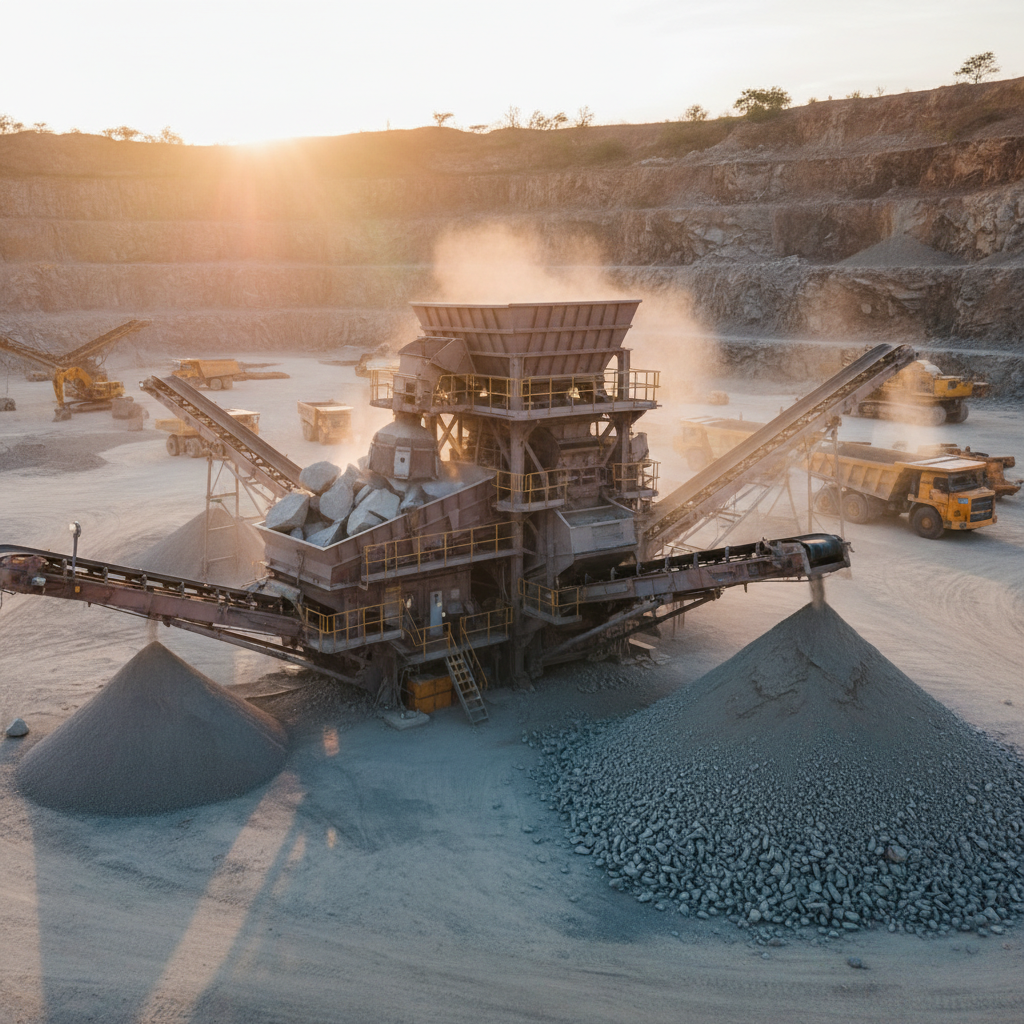
When undertaking mining projects, selecting the right granite crusher can significantly enhance operational efficiency. The demand for robust and efficient machinery has escalated, given the increasing complexities of geological formations. Leading models on the market are designed to optimize the crushing process, enabling operators to maximize throughput while minimizing downtime. Features such as advanced hydraulic systems and energy-efficient motors ensure that tasks are completed more rapidly without sacrificing quality.
Furthermore, contemporary granite crushers come equipped with innovative technology that allows for better material handling. Models featuring automated settings provide precise control over the size and shape of the crushed material, facilitating smoother downstream processing. This not only leads to better product quality but also reduces the wear and tear on equipment, resulting in lower maintenance costs. Investing in high-performance granite crushers is crucial for achieving enhanced efficiency and productivity in mining operations.
When selecting a granite crusher for your operations, several key features should guide your decision-making process. One crucial factor is the crusher's capacity, which is essential for matching your project's scale. Whether you need a mobile crusher for on-site work or a stationary model for high output, ensure that the machine can handle the volume of granite you plan to process. Additionally, consider the type of crushing mechanism; jaw crushers, cone crushers, and impact crushers all offer different benefits depending on the desired output and particle size.
Another important aspect is the durability and maintenance requirements of the equipment. Granite can be abrasive, so investing in a crusher made from high-quality materials will reduce downtime and increase your machine's lifespan. Moreover, check for user-friendly features such as easy access to wear parts and a straightforward control system that facilitates operation and maintenance.
Tips: Always read reviews and case studies from other users to gauge real-world performance. Additionally, seek out manufacturers that provide excellent customer support, as this can be invaluable when facing operational challenges. Lastly, consider the total cost of ownership, including maintenance, when evaluating different models.
When selecting a granite crusher for your next project, understanding the processing capacities of various models is crucial. Leading manufacturers offer a range of options, each with unique performance characteristics. For instance, some models may emphasize higher throughput rates, making them ideal for large-scale operations that require moving significant volumes of material quickly. Others may focus on durability and reliability, which is essential for consistent performance over extended periods.
Tips: Always consider the specific requirements of your project, such as the size of the granite and the desired finish. Additionally, look into the maintenance needs of each model, as this can impact your overall operational efficiency.
As you compare these models, pay attention to the power requirements and feed dimensions. Larger feed sizes may allow for more significant production rates, but it’s essential to ensure that your equipment can handle the material efficiently. Consider trial runs or seeking customer reviews to gain insights into how different models perform in real-world applications. Investing time in this comparative analysis will ultimately lead to better productivity and reduced operational costs.
| Model | Processing Capacity (tons/hour) | Max Feed Size (mm) | Weight (kg) | Power (kW) |
|---|---|---|---|---|
| Model A | 250 | 600 | 8000 | 200 |
| Model B | 300 | 580 | 9000 | 220 |
| Model C | 400 | 650 | 10000 | 250 |
| Model D | 450 | 700 | 11000 | 280 |
| Model E | 500 | 720 | 12000 | 300 |
Investing in quality granite crushers is a critical decision that can significantly impact project efficiency and overall costs. According to a recent study by the Mining Equipment Market Research firm, high-quality granite crushers can increase productivity by as much as 40% compared to lower-tier models. This improved efficiency not only speeds up project timelines but also reduces labor costs, leading to a more favorable cost-benefit ratio. The upfront investment in quality machinery may be higher, but the long-term savings often outweigh initial expenses.
Moreover, the durability of granite crushers plays a pivotal role in their cost-effectiveness. The same study reported that premium models often have a lifespan up to 60% longer than cheaper alternatives. This increased longevity means lower replacement frequency and reduced maintenance costs, further contributing to a stronger financial justification for investing in quality crushers. With the global construction equipment market projected to reach $200 billion by 2027, aligning with high-performing granite crushers is essential for companies looking to maximize their operational efficiency and ensure a profitable return on investment.
Modern granite crushers have undergone significant advancements in technology, enhancing their performance and durability. Key innovations include improved crushing mechanisms, such as hydraulic systems and high-efficiency jaw designs, which increase productivity while reducing energy consumption. According to a report by the International Journal of Industrial Engineering, newer models can achieve up to 30% higher throughput rates compared to older versions. Such improvements reflect the industry's commitment to efficiency and sustainability, crucial in today’s demanding projects.
When selecting a granite crusher, consider a model equipped with advanced monitoring systems. These systems provide real-time data on performance metrics, enabling operators to optimize settings for different material types and conditions. Additionally, incorporating rugged materials in the construction of various components can significantly extend the operational lifespan of the equipment. Research from the Construction Equipment Association highlights that durable materials can lead to a 25% reduction in maintenance costs over the life of the machinery.
Tip: Always assess the manufacturer’s warranty and support services. A robust warranty can save you unforeseen repair costs, while effective customer service can provide timely solutions during project execution. Investing in a model with advanced technology will not only enhance your project outcomes but also ensure long-term reliability.