Top 5 Mobile Stone Crusher Options for Your Business Needs?
In today's competitive landscape, choosing the right Mobile Stone Crusher is crucial for any business. These machines have evolved significantly in recent years, providing powerful, efficient options for various construction needs. Selecting the right model can enhance productivity, lower operating costs, and ensure project success.
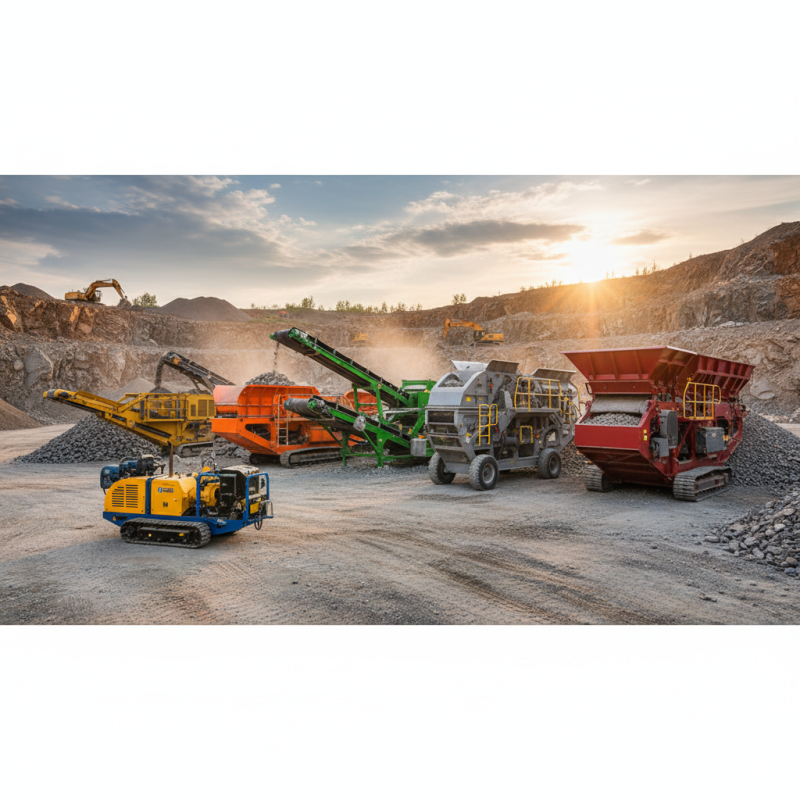
Mobile Stone Crushers come with diverse features and capabilities, tailored to different requirements. Some models excel in mobility, making them ideal for on-site work. Others focus on crushing power, handling tougher materials with ease. It’s essential to weigh your specific needs against the machine's abilities. An informed choice will reflect your business goals.
However, not all models are flawless. Some may lack durability or require frequent maintenance. These shortcomings can disrupt workflow and increase expenses. Businesses must carefully assess their options to avoid costly mistakes. The right Mobile Stone Crusher can significantly impact overall efficiency and profitability. Making the right decision is vital for success in the long run.
Overview of Mobile Stone Crushers in the Market
Mobile stone crushers have become essential in various industries. With the global market projected to reach $4.5 billion by 2027, their significance is undeniable. These machines offer unmatched flexibility, allowing operations in remote locations without the need for extensive setups. According to the latest industry report, the demand for mobile crushers has surged, driven by the construction and mining sectors.
However, selecting the right mobile stone crusher isn't straightforward. Technical specifications, including capacity and mobility, should align with specific needs. The report highlights that approximately 30% of businesses report challenges in compatibility during integration. This can lead to operational delays and increased costs. A careful analysis of project requirements is vital to avoid such pitfalls.
Additionally, the technology in mobile stone crushers is rapidly evolving. Features like improved fuel efficiency and enhanced crushing technology have become standard. Yet, staying updated is challenging. Businesses often struggle to keep pace with innovations. Approximately 25% of firms acknowledge being out of touch with the latest advancements. This gap can significantly impact productivity and operational efficiency.
Comparison of the Top 5 Mobile Stone Crusher Models
When it comes to mobile stone crushers, understanding the models available is vital for making informed decisions. According to industry experts, the global mobile crusher market is expected to reach a valuation of $4.8 billion by 2027, growing at a CAGR of 6.5%. This growth indicates a strong demand for efficient, versatile equipment in the construction and mining sectors.
Five models stand out due to their performance and adaptability. The first model offers high crushing capacity and mobility, perfect for varied sites. Another model excels with advanced technology that increases particle size reduction. Users report that while both models deliver great results, maintenance can become a challenge, affecting downtime and productivity.
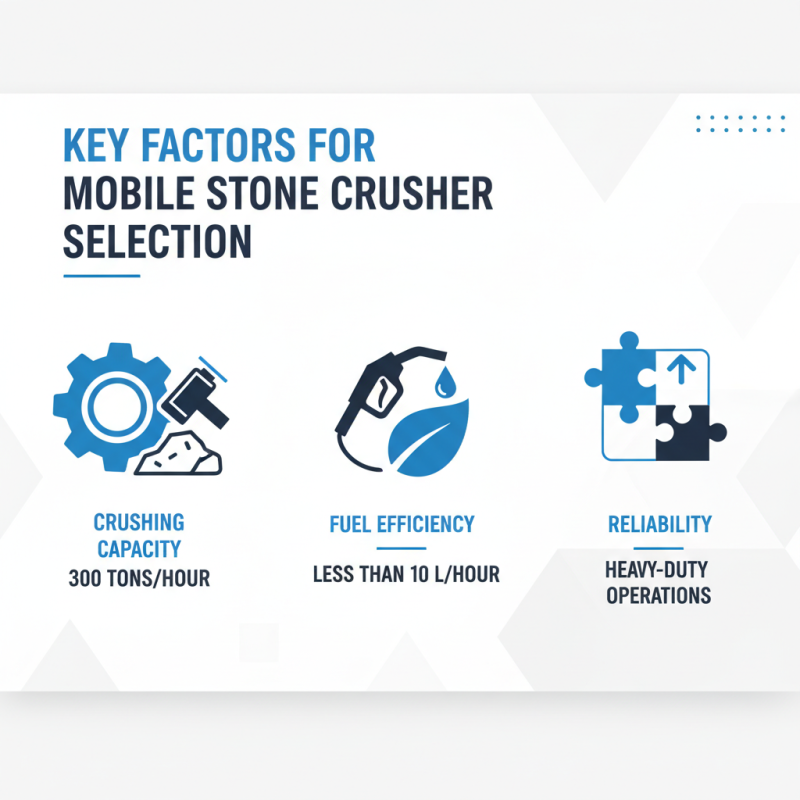
The third option impresses with fuel efficiency, crucial for reducing operational costs. However, operators find that ease of use is sometimes compromised. The fourth model is known for its durable build, but heavier weight can limit its transportability. The fifth model, while innovative, lacks certain features that might benefit specific operations. Each option has unique strengths and weaknesses, making it essential for businesses to evaluate their specific needs.
Analysis of Performance and Efficiency of Mobile Crushers
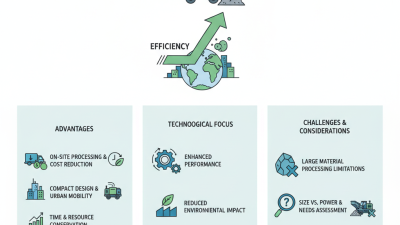
The efficiency of mobile stone crushers is crucial for businesses in the construction and mining sectors. Recent industry reports indicate that mobile crushers can reduce operational costs by up to 30%. This is largely due to their flexibility and reduced transport expenses. Mobile crushers allow operators to work directly on-site, minimizing downtime and maximizing productivity.
Performance metrics reveal that modern mobile crushers often feature advanced technologies, enhancing both crushing speed and material handling. For instance, some models achieve a throughput of 400 tons per hour. Compact designs also enable easy maneuverability in tight spaces, which is vital for urban construction projects. However, not all mobile crushers deliver equal efficiency, and performance can vary significantly based on the application and materials processed.
Moreover, maintenance is a common challenge. Regular checks are essential to ensure optimal performance and prevent breakdowns. According to industry data, improper maintenance can lead to a 20% drop in efficiency. Businesses should invest in staff training to handle routine maintenance tasks effectively. This proactive approach can safeguard productivity and extend the lifespan of mobile crushers. Balancing performance with maintenance needs requires careful planning and expertise, highlighting the importance of a strategic operational framework.
Cost-Benefit Evaluation of Investing in Mobile Stone Crushers
Investing in mobile stone crushers can significantly impact your business operations. According to a recent industry report, the global mobile crushers market is projected to grow by 6.3% annually. This increase highlights the growing demand for flexible and efficient solutions. Mobile crushers offer advantages like reduced transportation costs and the ability to work in challenging terrains.
Cost-benefit analysis shows that mobile stone crushers, while initially more expensive, can yield savings on site. They cut down on fuel consumption and transportation fees. Typical operational costs can decrease by 20-30%, allowing companies to allocate resources elsewhere. However, maintenance remains a concern. Regular upkeep is essential to ensure optimal performance, which can add to long-term costs.
Flexibility and adaptability are key factors. Mobile crushers allow businesses to respond quickly to market demands. Yet, investing in advanced technology also comes with risks. Some companies may face challenges when training staff or integrating new machines. These factors require careful consideration of operational capacity and potential downtime. Assessing the long-term impact is vital before making a commitment.
Top 5 Mobile Stone Crusher Options for Your Business Needs
| Model |
Capacity (tph) |
Weight (tons) |
Fuel Efficiency (L/hr) |
Price ($) |
Maintenance Cost (/year) |
| Model A |
150 |
22 |
12 |
120,000 |
15,000 |
| Model B |
200 |
25 |
10 |
150,000 |
20,000 |
| Model C |
180 |
23 |
11 |
135,000 |
18,000 |
| Model D |
160 |
24 |
9 |
140,000 |
22,000 |
| Model E |
175 |
21 |
10 |
130,000 |
17,000 |