2026 Top High Capacity Stone Crusher for Sale
Choosing a High Capacity Stone Crusher is not simply a matter of finding the largest number in a sales brochure. The USGS Mineral Commodity Summaries 2025 estimated U.S. crushed-stone production at about 1.5 billion tons in 2024, underscoring the scale of material moving through quarry operations. That national figure is context, not a promise of what any single machine can produce. Real output depends on feed size, rock hardness, moisture, required product gradation, and the full plant configuration.
Small details matter. A loader feeding uneven boulders can slow a crusher rated for high throughput. Worn liners can also change product shape and increase maintenance demands. This guide examines leading high-capacity crusher options for sale in 2026, including jaw, cone, and impact configurations. It also considers rated capacity, power demand, service access, wear parts, and compatibility with screening equipment. Compare manufacturer specifications carefully, and ask how test conditions relate to your own material. A stated tonnes-per-hour figure may assume ideal feed and settings. That is easy to overlook. Buyers should request application-specific references, operating data, and clear warranty terms before committing. Price matters, but so do downtime, spare-parts availability, and the cost of moving oversized feed. No machine is best for every quarry. Even a well-matched system needs careful operation and regular inspection. The right choice is the one that meets a verified production target without hiding the practical limits behind a headline capacity figure.
Understanding High-Capacity Stone Crushers in 2026
2026 Top High Capacity Stone Crusher for Sale
Understanding High-Capacity Stone Crushers in 2026
In 2026, “high capacity” means more than a large hourly figure on a sales sheet. Real output depends on feed size, rock hardness, moisture, crusher settings, and the screens and conveyors downstream. A unit rated for 500 tonnes per hour may deliver less with wet, sticky material or unevenly sized boulders. Look at the whole circuit. That matters.
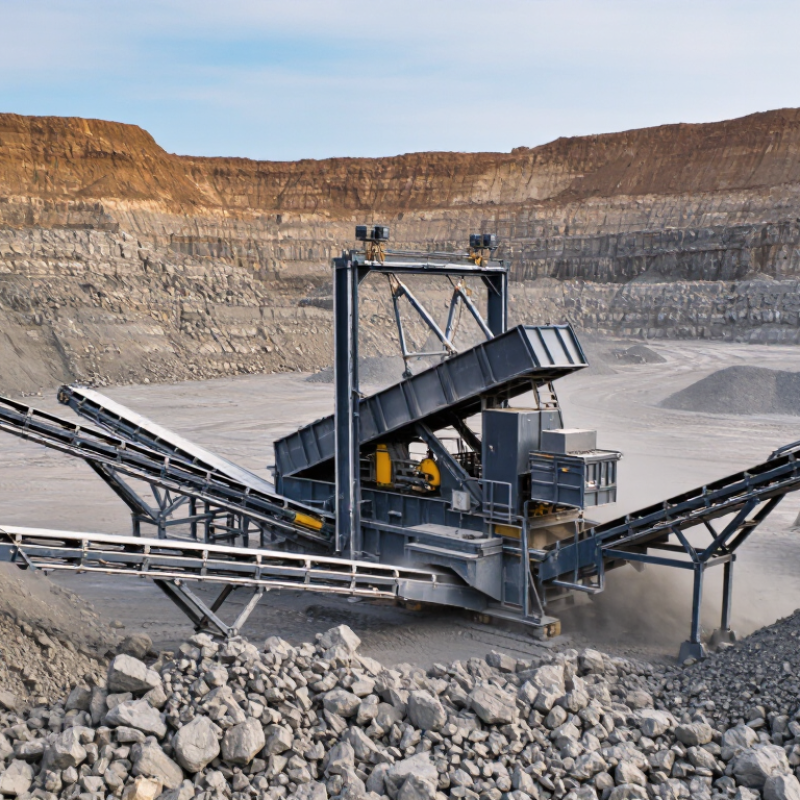
For a quarry handling hard granite, a primary jaw crusher can reduce large rocks before secondary crushing and screening. Softer limestone may suit a different setup, while abrasive stone can increase liner wear and maintenance time. Check product sizes, operating hours, power supply, foundation loads, and access for replacing wear parts. Ask for performance data using comparable stone and feed conditions, not just ideal test material. Small details count. A practical maintenance plan and spare-parts schedule can protect uptime as much as extra rated capacity. Estimates are never perfect; weather, feed consistency, and operator adjustments can change actual production. Verify expected output against site trials and operating records.
2026 Top High Capacity Stone Crusher for Sale — Understanding High-Capacity Stone Crushers
Indicative throughput ranges by crusher type. Actual capacity depends on feed size, rock properties, discharge setting, and plant configuration; compare specifications for your application.
Gyratory crushers are commonly selected for very high-throughput primary crushing, while jaw, cone, and impact crushers serve a broad range of plant capacities and crushing stages. These broad indicative ranges are not guaranteed production rates.
Main Crusher Types and Their Processing Roles
2026 Top High Capacity Stone Crusher for Sale
Main Crusher Types and Their Processing Roles
A high-capacity crusher line works best when each machine handles the right stage. The USGS Mineral Commodity Summaries 2024 estimated U.S. crushed-stone output at about 1.5 billion tons in 2023. That scale reflects steady demand for road base, concrete, and other construction materials. But production volume alone cannot determine the right crusher; feed size, rock hardness, moisture, and the required product shape matter too.
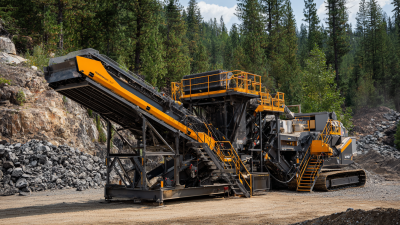
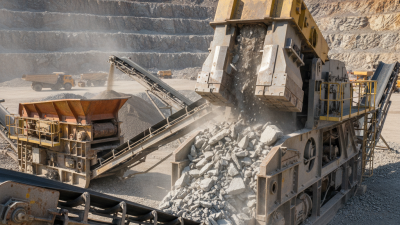
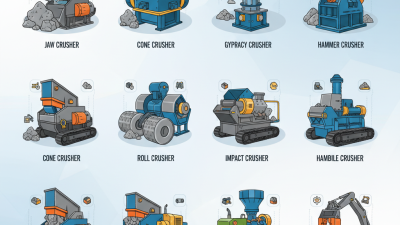
Jaw crushers commonly handle primary crushing. Their wide openings accept large blasted rock, reducing it to pieces suited for downstream equipment. Gyratory crushers also serve primary duties, especially in large operations with continuous feed. Cone crushers usually take the secondary or tertiary role, compressing hard, abrasive stone into controlled sizes. Impact crushers can shape softer stone efficiently, though abrasive feed may increase wear. A useful detail: check the actual feed, not just the quarry’s rock description.
Screens and conveyors influence capacity as much as the crusher itself. A blocked screen can send oversized material back through the circuit, slowing the whole line. USGS Minerals Yearbook reporting on crushed stone provides useful context on the sector’s broad construction uses, but it cannot predict one site’s output. Real production depends on operating conditions. The textbook division between stages can blur, and a machine rated for high capacity may still underperform when feed grading changes. That deserves a site test.
Key Capacity, Power, and Output Specifications
2026 Top High Capacity Stone Crusher for Sale
Key Capacity, Power, and Output Specifications
A crusher’s rated capacity is usually listed in tons per hour, but that figure needs context. Feed size, stone hardness, moisture, and the selected discharge opening can all change real output. Ask whether the quoted rate reflects continuous operation or ideal test conditions. Those are not always the same.
Check the motor power in kilowatts alongside capacity. A larger motor can support demanding workloads, but it also affects energy use and site power requirements. For example, a plant processing abrasive granite may need different settings from one handling softer limestone. Match the machine to the material. Do not size it from a headline number alone.
Output size matters just as much. Review the adjustment range and the expected proportion of saleable material at your target setting. A narrow setting may produce finer stone, yet reduce throughput and increase wear. Look for clear performance data for your feed size and desired product range. Bring sample material if possible. Real stone can be uneven, and specifications rarely capture every shift in the quarry. A spreadsheet can make this look simpler than it is. Check access for maintenance, too, since stopped equipment quickly affects daily production.
2026 Top High Capacity Stone Crusher for Sale - Key Capacity, Power, and Output Specifications
| Crusher Type |
Typical Capacity |
Installed Motor Power |
Typical Maximum Feed Size |
Typical Product Setting or Size |
Common Application |
| Gyratory Crusher |
1,500–5,000 t/h |
800–1,500 kW |
800–1,500 mm |
Approximately 100–200 mm setting |
High-volume primary crushing at large quarries and mines |
| Large Jaw Crusher |
300–1,200 t/h |
200–400 kW |
600–1,200 mm |
Approximately 100–300 mm setting |
Primary crushing of blasted rock, including granite and basalt |
| Secondary Cone Crusher |
200–800 t/h |
200–630 kW |
200–350 mm |
Approximately 10–50 mm setting |
Secondary or tertiary crushing of hard, abrasive rock |
| Horizontal Shaft Impact Crusher |
200–700 t/h |
250–500 kW |
Up to approximately 1,000 mm, depending on configuration |
Product commonly below 100 mm; adjustable by rotor and gap settings |
Primary or secondary crushing of softer to medium-hard materials |
| Vertical Shaft Impact Crusher |
100–600 t/h |
150–500 kW |
Approximately 50–100 mm |
Typically 0–25 mm, depending on feed and configuration |
Tertiary shaping and production of manufactured sand or cubical aggregate |
Specification note: Capacities and operating ranges are indicative industry ranges, not guaranteed ratings for a specific machine. Actual throughput and product size depend on feed gradation, rock hardness and abrasiveness, moisture, crusher setting, screen arrangement, and circuit design.
Purchase, Installation, and Operating Considerations
2026 Top High Capacity Stone Crusher for Sale
Purchase, Installation, and Operating Considerations
A high-capacity crusher is productive only when the full plant can feed and move its output. The U.S. Geological Survey’s Mineral Commodity Summaries 2025 estimates U.S. crushed-stone production at about 1.5 billion tons in 2024. That figure shows market scale, not the right machine size for your site. Check rock hardness, maximum feed size, target gradation, and hourly demand before comparing capacity claims. Request test results using representative material; catalog figures may assume ideal feed conditions.
Installation deserves equal attention. Confirm foundation loads, discharge clearance, lifting access, electrical supply, and dust-control connections before delivery. A crowded transfer point can bottleneck a large crusher. Leave room for inspections and liner changes.
Fit matters. Compare cost per saleable ton, including wear parts, power, planned downtime, and operator training—not purchase price alone.
Tips: Record feed size and product gradation during a trial run, then adjust settings gradually. Track motor current, bearing temperature, and unusual vibration each shift. These readings can flag emerging problems, but they do not replace scheduled inspections. Site conditions vary, and estimates may miss changes in the rock. Build some contingency into the operating plan; stoppages are easy to underestimate.