How to Choose the Best Small Stone Crusher for Your Needs?
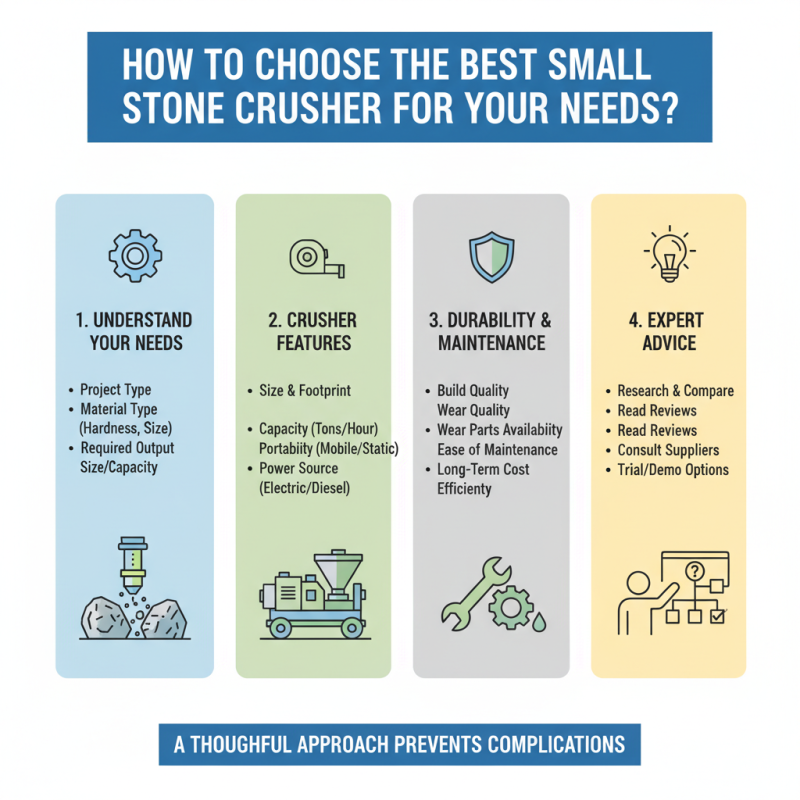
Choosing the right Small Stone Crusher can seem daunting. It’s crucial to understand your specific needs before making a decision. Different projects may require different types of crushers. A reliable crusher plays a vital role in ensuring efficiency and productivity.
Consider factors such as size, capacity, and portability. The right model can make a significant difference in your operations. Many users overlook the maintenance aspects, which can lead to higher costs in the long run. Investing in a durable, high-quality small stone crusher saves time and effort.
Assess the type of material you will be processing. Not all crushers can handle the same materials effectively. Research from industry experts shows that proper selection can enhance performance. Reflecting on your choices can lead to better results and satisfaction. Remember, a thoughtful approach can prevent future complications.
Understanding Your Crushing Needs and Objectives
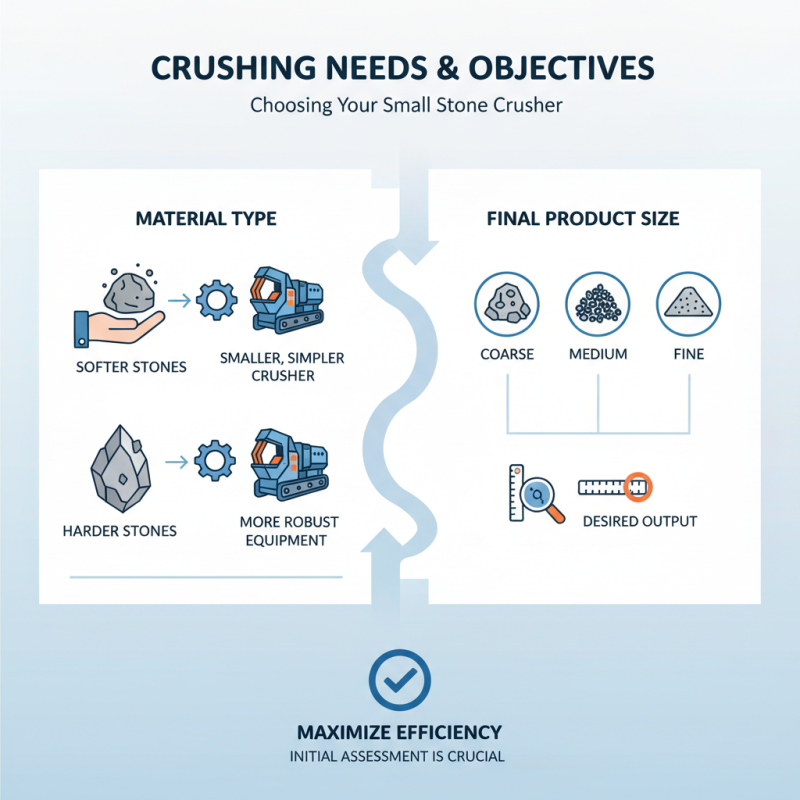
Choosing the right small stone crusher begins with understanding your specific needs and objectives. Consider the types of materials you will crush and the desired size of the final product. This initial assessment is crucial for maximizing efficiency. For instance, if you are processing softer stones, a smaller and less complex machine may suffice. However, harder stones require more robust equipment.
Tips: Think about your production volume. Are you crushing small batches or large quantities? This decision will guide your choice. Additionally, evaluate the space where you plan to operate the crusher. Adequate space is essential for both operation and maintenance.
It's also important to reflect on your budget and potential operating costs. A lower initial investment may lead to higher maintenance over time. Conversely, high-quality machines might be more reliable and cost-effective in the long run. It's wise to consult experts or gather opinions from those who have experience in the industry. Their insights can help avoid common pitfalls when choosing a crusher. Always remember; what works for others may not work for you.
Evaluating Different Types of Small Stone Crushers
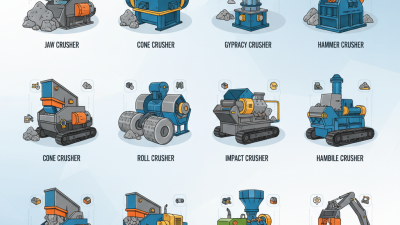
When evaluating different types of small stone crushers, it's essential to understand their specific capabilities. Jaw crushers are excellent for primary crushing. They can handle large rocks with ease. However, they may not be as efficient for finer materials. According to industry reports, these crushers can achieve a reduction ratio of 6:1. This makes them a solid choice for initial processing stages.
Another option is the impact crusher. This type excels in creating finer aggregates. The impact crusher's design allows it to break materials with high-speed impacts. Data suggests these machines can produce up to 50 tons per hour of fine aggregate. However, they can be higher in maintenance costs due to their moving parts.
Cone crushers offer a versatile alternative. They are ideal for secondary and tertiary crushing needs. Their design provides a consistent product size. While they may have higher upfront costs, they can be cost-effective over time. A recent study highlighted that cone crushers offer around 25% more efficiency in energy consumption compared to other types. This means lower operational costs in the long run. However, the complexity of their mechanics may require more skilled operators to ensure optimal performance.
How to Choose the Best Small Stone Crusher for Your Needs? - Evaluating Different Types of Small Stone Crushers
| Type |
Capacity (tons/hour) |
Power (kW) |
Weight (kg) |
Application |
| Jaw Crusher |
1-5 |
15-30 |
500-1000 |
Primary crushing |
| Cone Crusher |
0.5-4 |
20-45 |
800-1500 |
Secondary crushing |
| Impact Crusher |
1-10 |
30-50 |
600-1200 |
Recycling, stone shaping |
| Hammer Crusher |
2-12 |
40-70 |
700-1300 |
Crushing of limestone, coal |
| Mobile Crusher |
5-30 |
50-100 |
1000-3000 |
Construction sites |
Key Features to Consider When Choosing a Crusher
When choosing a small stone crusher, several key features deserve your attention. Understanding your specific needs is vital. Assess the size and type of stones you will crush. This directly influences the crusher’s capacity. A smaller model may suffice for home use, while larger operations require robust machinery.
Look for durability in construction. High-quality materials ensure long-lasting performance. Steel parts can withstand tough conditions. Also, consider the machine's maintenance requirements. Simpler designs often lead to quicker repairs and less downtime. Remember that efficiency matters. A crusher that consumes more energy can lead to higher operational costs.
Tips: Always verify the machine's specifications against your needs. Research online reviews for user experiences. Additionally, consult industry professionals to gain insights and recommendations. Balancing power and portability is essential. A heavy-duty crusher may not be practical if transport is frequently needed. Choose wisely, and reflect on how well the machine meets your goals before making a final decision.
Assessing Budget and Cost-Effectiveness for Small Crushers
When assessing budget and cost-effectiveness for small stone crushers, it's essential to examine total ownership costs. The initial purchase price is crucial but only part of the equation. Long-term expenses include maintenance, energy consumption, and wear-resistant parts. Data shows that reliable service life can average around 5,000 hours, affecting overall cost-per-ton productivity.
In a recent industry report, it was noted that low-cost models may save money upfront but could incur higher repair costs. A high-quality Stone Crusher might be pricier initially but often pays off over time. More efficient models consume approximately 15% less energy. This efficiency can lead to substantial long-term savings in operational costs.
Considering the expected workload is vital. For smaller projects, a smaller, more affordable crusher may suffice. But for heavier operations, investing in a robust machine might be wise. Each choice should align with the specific needs and financial capabilities of the user. Reflection on how often the machine will run can guide purchasing decisions, helping to avoid costly mistakes.
Finding Reliable Suppliers and Maintenance Options
When looking for small stone crushers, finding reliable suppliers is crucial.
The global market for stone crushing equipment is projected to reach
$8.6 billion by 2027. Robust suppliers often provide not just equipment but
also valuable industry insights. Analyze their offerings and reputation carefully.
Maintenance options also influence long-term performance. A study shows that regular maintenance can increase a machine's lifespan by up to 50%. Neglecting maintenance could lead to unexpected downtime.
Evaluate maintenance programs offered by suppliers. They should provide clear timelines and spare parts availability.
Choosing the right supplier helps in minimizing operational risks. Look for certifications and
customer testimonials. Consider your project needs and budget. Not every supplier will meet all requirements.
A mismatch can lead to inefficiencies and increased costs. Engaging with experienced professionals helps make informed choices.
Remember, the right partner enhances operational success.