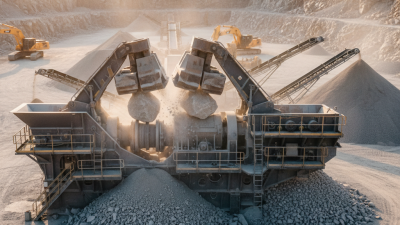
How to Choose the Right Granite Crusher for Your Needs?
Choosing the right granite crusher is crucial in the mining and construction industries. According to a report by Grand View Research, the global granite market was valued at over $30 billion in 2022 and is expected to grow steadily. The demand for high-quality granite continues to rise, making effective equipment essential.
Granite crushers play a key role in processing this valuable material. Selecting the right crusher can enhance efficiency and lower operational costs. Studies indicate that using the appropriate granite crusher can increase production rates by as much as 25%. However, many users overlook factors like size, capacity, and brand reliability.
Investing in a granite crusher demands careful consideration. There can be pitfalls when choosing a manufacturer. Often, consumers prioritize upfront costs over long-term value. Therefore, understanding various granite crushers' specifications helps in making an informed decision. This approach aligns with industry standards, ensuring you meet project demands effectively.
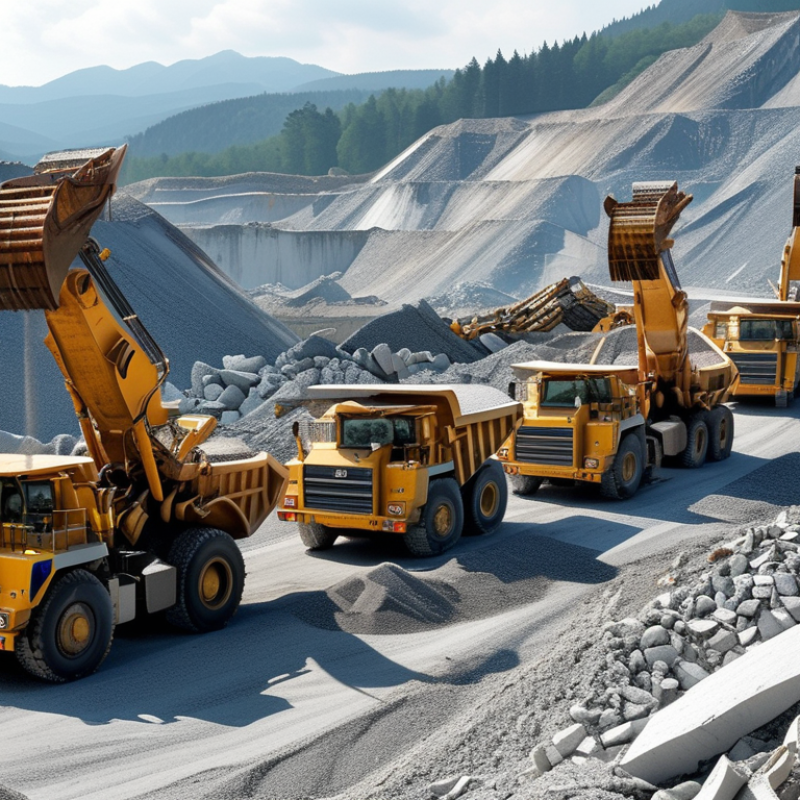
Understanding Different Types of Granite Crushers Available on the Market
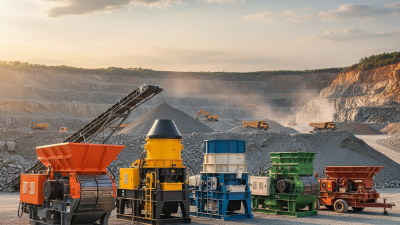
When selecting a granite crusher, it's crucial to grasp the various types available. There are jaw crushers, cone crushers, and impact crushers to consider. Each type serves different applications based on material hardness and desired output size.
According to industry data, jaw crushers are often best for primary crushing. They handle larger stones with ease.
Meanwhile, cone crushers are ideal for secondary or tertiary crushing, providing finer outputs.
Impact crushers offer a unique advantage for recycling materials. They produce a cubic final product, which can be beneficial in certain applications. The choice between these depends on the job at hand. A report from the National Stone, Sand & Gravel Association indicates that efficiency and cost-effectiveness are paramount in production. Regular maintenance can be a challenge with certain types. Understanding wear patterns can help mitigate unexpected downtimes.
Granite properties can also influence your choice. Its hardness rates about 6 to 7 on the Mohs scale. This factor primarily affects the crusher’s durability and lifetime. Operators need to balance the hardness of granite with equipment specifications. It's not uncommon to struggle with jaw crusher settings to achieve optimal performance. Continuous assessment of the chosen equipment is necessary to ensure it meets the evolving needs of projects.
Assessing Your Specific Crushing Needs and Requirements
Choosing the right granite crusher is crucial for efficiency. Start by assessing your specific
crushing needs. Consider the size of the materials you will process. Different crushers handle various sizes and densities. Knowing
the primary granule size helps narrow your options.
When evaluating your requirements, focus on capacity. How much material will you crush daily? High-demand
scenarios need larger, more powerful crushers. For smaller operations, a compact model may suffice. Look into the
power source as well. Electric models offer
quieter operations, while diesel units provide mobility.
Tips: Always inspect the crusher’s components. Check for wear and tear. Are parts easily replaceable? This aspect affects
long-term reliability. Lastly, analyze your budget.
A high-end machine may seem appealing, but consider ongoing maintenance costs. An expensive purchase could lead to regrets.
Assess these factors carefully before deciding.
Evaluating Key Features of Granite Crushers to Consider
When selecting a granite crusher, it's crucial to evaluate specific features that best suit your needs. The first aspect to consider is the type of crushing mechanism. Jaw crushers are excellent for initial crushing, while cone crushers provide a finer output. Understanding the material flow and the desired end product can help you choose wisely.
Another significant factor is the production capacity. Assessing your workload will guide you in selecting a model that can handle the volume efficiently. Too small a capacity can lead to bottlenecks. Also, consider the energy efficiency of the equipment. A great machine may consume excessive energy, leading to high operational costs.
Durability is paramount in this selection process. Granite is tough. The crusher you choose should withstand heavy use without frequent breakdowns. Sometimes, less durable models appear appealing due to the price. However, their long-term reliability may be questionable. Conducting thorough research and understanding performance metrics will help you make a more informed decision.
Comparing Performance, Durability, and Cost of Various Models
When selecting a granite crusher, performance is key. High-performance models use robust motors, enhancing efficiency. According to a 2022 industry report, top-performing crushers increase processing speed by up to 30%. This translates to more granite crushed per hour. It's vital to assess the feed capacity. Many models handle between 100 to 300 tons per hour. This range significantly impacts operations and project timelines.
Durability is another important factor. Many granite crushers are built with heavy-duty materials. A 2023 manufacturer's analysis highlights that models using alloy steel components extend lifespan by 25% compared to standard materials. This durability directly correlates with maintenance costs over time. A model's durability can prevent frequent repairs, saving more resources.
Cost varies widely. Entry-level granite crushers can start at $10,000. More advanced systems may exceed $100,000. Balancing budget with technology is essential. Understanding total ownership costs, including energy consumption and maintenance, is crucial. It’s common for buyers to overlook these factors. A deeper analysis reveals that long-term savings often lie in investing more upfront for quality.
Exploring Maintenance and Support Options for Your Granite Crusher
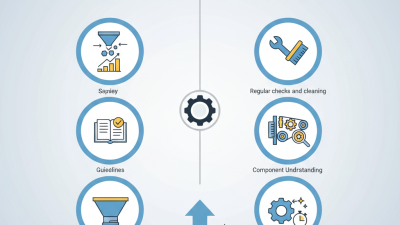
When selecting the right granite crusher, maintenance and support are crucial. Proper maintenance ensures the longevity of your equipment. Regular checks can prevent costly repairs and downtime. A well-maintained crusher operates more efficiently, enhancing productivity.
Tips: Schedule routine inspections. These help identify issues early. Replace worn-out parts promptly. Use quality lubricants for smoother operation. These steps can extend your crusher's lifespan.
Support options vary between suppliers. Some provide comprehensive warranties, covering parts and labor. Others offer extended maintenance packages. Check if remote support is available. This can expedite troubleshooting, reducing downtime. Always choose a supplier known for reliable customer support.
Investing time in maintenance keeps your granite crusher running smoothly. Reflect on your current maintenance practices. Are they sufficient? A proactive approach can yield significant benefits. Consider involving trained professionals for complex repairs. Their expertise can lead to better outcomes.