Top Granite Crusher Types for Effective Stone Crushing Solutions?
Granite is one of the most popular building materials worldwide. Its durability and aesthetic appeal drive high demand. According to recent industry reports, the granite market size is projected to reach $25 billion by 2027. To meet this demand, effective stone crushing solutions are essential. The right equipment makes a significant difference.
Granite Crusher types vary in performance. Choosing the correct type influences productivity and cost-efficiency. For instance, jaw crushers are known for their power, while impact crushers excel in versatility. Understanding these distinctions is crucial for sustained success in stone processing.
However, selecting the appropriate Granite Crusher requires careful consideration. Over-reliance on advanced technology can lead to neglecting maintenance needs. Regular service intervals and inspections are vital for optimal performance. Balancing technology and traditional practices may yield better results. Industry professionals must continually evaluate their choices for effective stone crushing solutions.
Overview of Granite Crusher Types and Their Applications
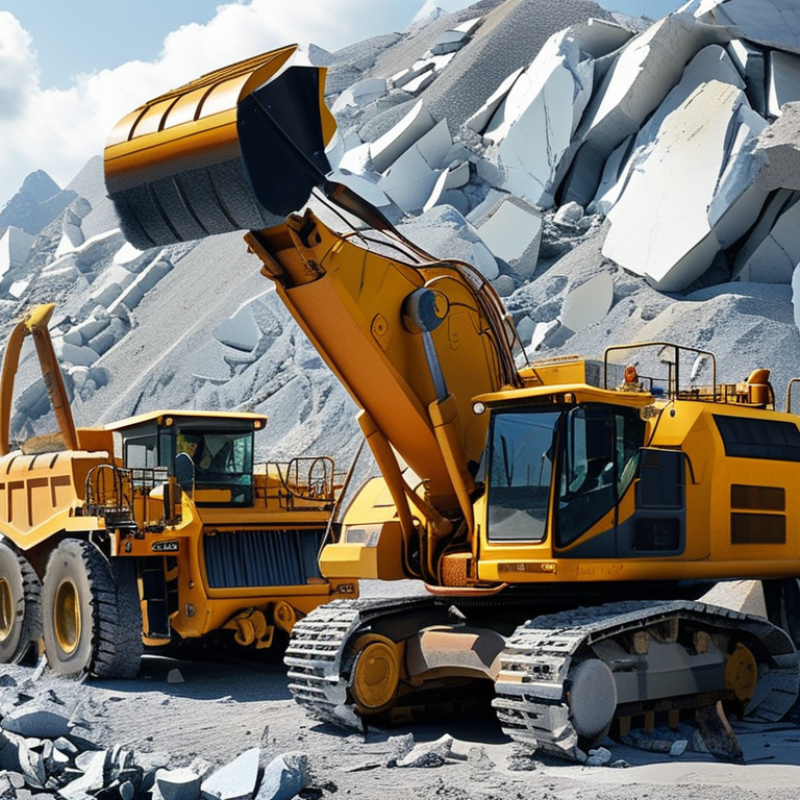
Granite is a popular material used in construction and landscaping. Different types of granite crushers serve specific functions in stone crushing. Each type has its advantages and drawbacks, impacting its effectiveness.
Jaw crushers are often chosen for their ability to handle large rocks. They crush granite through compressive force, allowing for high throughput. However, they might struggle with extremely hard granite types, leading to potential maintenance issues. In contrast, cone crushers produce finer material. This makes them suitable for secondary and tertiary crushing. According to industry reports, cone crushers can achieve a reduction ratio of up to 8:1, making them efficient in processing granite.
Impact crushers offer another angle. They use high-speed impact to fracture the stone. This approach yields high-quality aggregates, but wear and tear on rotor components can be significant. A report from a recent industry analysis highlighted that impact crushers can produce up to 20% more usable end product compared to traditional methods. However, their operational cost can be higher due to frequent part replacements. Understanding these details allows businesses to make more informed decisions in selecting the right granite crusher for their specific needs.
Primary vs. Secondary Granite Crushers: Key Differences Explained
When discussing granite crushers, it's essential to recognize the key differences between primary and secondary types. Primary granite crushers are designed to handle large boulders. They break down the rock into smaller, manageable pieces. Typically, they employ a jaw or gyratory mechanism, which delivers powerful compression. This initial breakdown is crucial for efficient stone processing.
On the other hand, secondary granite crushers focus on refining the crushed material. These crushers provide a finer product, suitable for further applications. Devices like impact and cone crushers are common in this category. They operate on the smaller fragments created by primary crushers. Their speed and impact help in achieving the desired size and shape of the stone.
While both types play vital roles, their specific functions can sometimes blur. There may be overlaps in processing capability. Choosing the right one is not just about size; it involves understanding your project needs. Many operators may find themselves reevaluating their equipment choices as project demands change. The right combination leads to more efficient stone crushing solutions.
Factors Influencing Granite Crusher Selection for Optimal Performance
When selecting the right granite crusher, several factors come into play. The type of material being crushed is crucial. For instance, hard granite requires robust machinery. This ensures efficiency and longevity during operation. Crushers vary by design, including jaw, cone, and impact types. Each serves different purposes and material sizes.
The operational environment also impacts selection. Factors like humidity and temperature can affect performance. Dust and dirt can clog machinery, disrupting production. It's essential to consider maintenance requirements as well. Some crushers demand more frequent upkeep. This can lead to unexpected costs or downtime.
Lastly, understanding the desired output is vital. Different projects may need varied sizes of crushed stone. The right crusher should align with production goals. However, overestimating capacity can lead to inefficiencies. This risk must be carefully evaluated, ensuring no trade-offs on quality or consistency.
Latest Innovations in Granite Crushing Technology and Equipment
Granite crushing technology is evolving at a rapid pace. Recent industry reports highlight a shift towards more efficient machinery. Newer models incorporate advanced features like automated sorting and energy-efficient processes. These innovations are designed to maximize output while minimizing operational costs. For instance, modern crushers can achieve a reduction ratio of up to 30:1, which significantly improves overall productivity.
Recent data indicates that optimizing equipment can lead to a 20% increase in crushing efficiency. Inline monitoring systems are becoming standard. They enable real-time adjustments, ensuring consistent material quality. However, some companies struggle to integrate this technology. Training personnel remains a challenge, impacting the full potential of these advancements.
Energy consumption is another critical area of focus. Industry analysts report that latest models consume 10-15% less power than their predecessors. This improvement not only reduces costs but also aligns with sustainability goals. Yet, some operators are hesitant to upgrade. They fear the initial investment may outweigh long-term benefits. As the market evolves, these concerns need addressing to fully harness the potential of new granite crusher technologies.
Top Granite Crusher Types for Effective Stone Crushing Solutions
| Crusher Type |
Crushing Capacity (tons/hour) |
Power (kW) |
Applications |
Latest Innovations |
| Jaw Crusher |
50-150 |
75-200 |
Primary Crushing |
Hydraulic Adjustments |
| Cone Crusher |
30-300 |
110-300 |
Secondary & Tertiary Crushing |
Automated Control Systems |
| Impact Crusher |
40-120 |
50-200 |
Material Recycling |
Improved Blow Bar Design |
| Granite VSI Crusher |
20-100 |
50-200 |
Producing Sand |
Enhanced Rotor Design |
| Mobile Crusher |
30-200 |
100-300 |
On-Site Processing |
Compact and Versatile Design |
Maintenance Best Practices for Enhancing Granite Crusher Longevity
Proper maintenance is essential for extending the lifespan of granite crushers.
Regular inspections can identify potential issues before they become major problems. Checking wear parts such as jaws, cones, and screens is crucial.
If these components are worn down, they can reduce efficiency and lead to higher operational costs.
Cleaning is another vital aspect of maintenance. Dust and debris can accumulate, affecting the crusher's performance.
Regular cleaning helps ensure optimal functioning. Lubrication of moving parts is also necessary to prevent friction and overheating. Using the correct type of lubricant is important.
Operators should be aware of operating conditions that affect performance. For instance, excessive vibration or irregular noises can signal mechanical issues.
Ignoring these signs can lead to costly repairs. Training staff on these maintenance practices enriches their understanding and enhances safety.
A proactive approach often prevents breakdowns, making the operation smoother.