What Is a Stone Crusher Factory and How Does It Work?
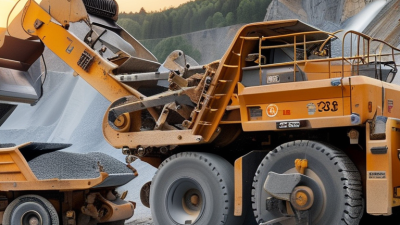
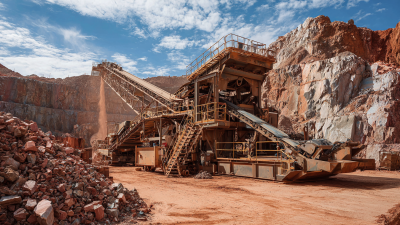
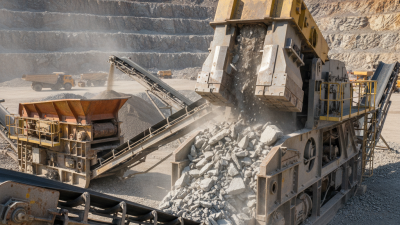
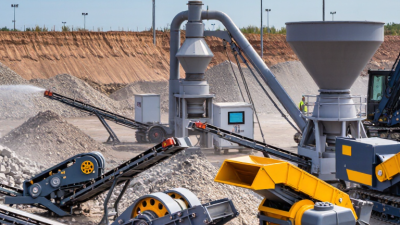
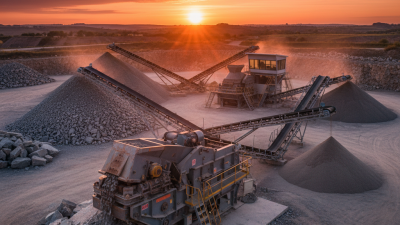
A Stone Crusher Factory is an engineered production site that converts large rocks into controlled sizes for roads, concrete, railways, and construction projects. The process begins with quarry material entering a heavy-duty hopper. A vibrating feeder regulates the flow into a jaw crusher, where fixed and moving plates break the rock. Secondary cone or impact crushers reduce it further. Screens then separate the output by size, while conveyors move each fraction to storage piles or loading areas.
The scale is substantial. The U.S. Geological Survey’s Mineral Commodity Summaries 2025 estimated U.S. crushed stone production at roughly 1.5 billion metric tons in 2024. That figure shows why reliable crushing systems matter. A small adjustment in screen settings can change product quality across thousands of tons. Operators monitor feed size, crusher power, belt alignment, moisture, and final grading. Dust suppression systems, enclosed transfer points, and noise controls also support safer, cleaner operations. These controls should reflect local environmental requirements and accepted engineering practice.
The factory is not just a machine line.
It is a coordinated system.
Quality laboratories commonly test gradation, abrasion resistance, and material cleanliness. Maintenance teams inspect liners, bearings, lubrication points, and emergency stops before failures become expensive. Yet performance is never automatic. Excessive fines, wet feed, poor calibration, or rushed maintenance can reduce capacity and increase waste. This is where practical experience matters. A well-designed Stone Crusher Factory balances production speed, energy use, product consistency, worker safety, and long-term equipment reliability. The best layout is not always the largest one; it is the one that matches the rock, market demand, and operating conditions.
What Is a Stone Crusher Factory? Definition, Equipment, and Output
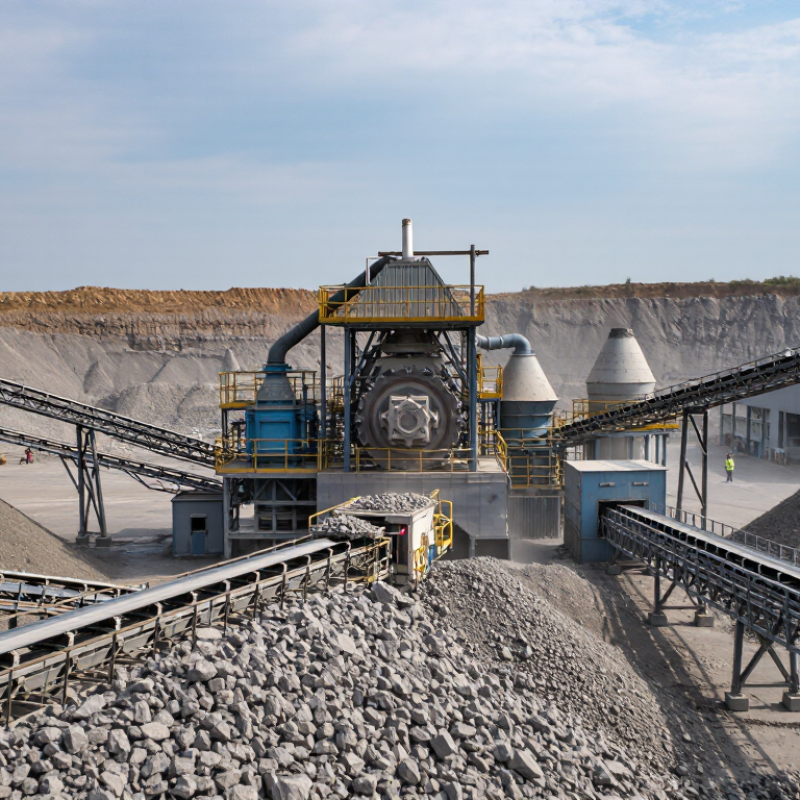
A stone crusher factory is an industrial site that converts quarried rock into controlled sizes for roads, concrete, asphalt, and drainage. It may use stationary equipment or a mobile crushing line. The process usually begins with a vibrating feeder, which meters raw stone into a primary jaw or gyratory crusher. Secondary and tertiary crushers then refine the material. Screens separate different sizes, while conveyors transfer and stockpile the finished aggregates.
Equipment selection depends on rock hardness, feed size, moisture, and the required product shape. A typical line may include dust-control sprays, magnetic separators, belt scales, and automated monitoring systems. Output is measured in tonnes per hour and by final grading, not volume alone. A small plant might produce 50–150 tonnes hourly, while a large quarry line can exceed 1,000 tonnes hourly under suitable conditions. Real output is often lower. Delays happen.
The U.S. Geological Survey reported approximately 1.5 billion metric tons of crushed stone produced in the United States in 2023, showing the scale of aggregate demand. Its Mineral Commodity Summaries 2024 also identified construction applications as the dominant market for crushed stone. At factory level, reliable production requires regular liner inspections, screen-media replacement, and conveyor alignment checks. Practical experience matters here. A clean schematic cannot show sticky clay, uneven feed, or sudden blockages. Operators must adjust the closed-side setting and feed rate carefully, because higher throughput can reduce product quality and increase wear.
What Is a Stone Crusher Factory and How Does It Work?
A stone crusher factory converts quarried rock into graded aggregates through feeding, primary crushing, secondary or tertiary crushing, screening, and conveying. The chart shows representative nominal throughput capacities commonly used in aggregate-processing plants; actual output depends on rock hardness, feed size, moisture, and final product specifications.
Capacity is shown in metric tonnes per hour (t/h). Values are representative industry ranges summarized as typical midpoint capacities, not data from a specific company or brand.
How Do Feed Hoppers and Jaw Crushers Handle Stone up to 1,200 mm?
A stone crusher factory turns large rock into controlled sizes for roads, concrete, and drainage work. The process begins at the feed hopper, where excavated stone is temporarily held above the feeder. A strong steel hopper must resist impact from falling rock. Its shape also helps prevent bridging, especially when material contains clay or uneven pieces.
For stone up to 1,200 mm, the feeder releases rock gradually into the jaw crusher. The jaw’s wide inlet accepts large pieces, while one moving jaw presses them against a fixed jaw. Crushing continues until fragments pass through the discharge gap. That gap controls the output size. However, 1,200 mm does not mean every rock will process smoothly. The actual limit depends on the inlet opening, rock hardness, moisture, and feeding method. A practical operator checks these details before production begins. In the field, equipment drawings may look perfect, yet sticky clay can still slow the line.
Tips: Keep the hopper level stable. Avoid dumping several oversized rocks together. Inspect wear plates, jaw surfaces, and feeder springs regularly. Measure the feed opening instead of relying only on written capacity. Small errors can create costly blockages. Safety guards and emergency stops also need routine testing.
How Do Screens Produce 10–40 mm Aggregate at 20–200 t/h?
A stone crusher factory converts quarried rock into controlled aggregate sizes. The process usually includes a feeder, crusher, vibrating screen, conveyors, and a recirculation line. The crusher reduces large rocks, but the screen decides which particles meet the required specification.
For 10–40 mm aggregate, the screen uses decks with carefully selected openings. Oversized particles remain on the top deck and return to the crusher. Smaller pieces pass through, while separate decks classify material into consistent fractions. At 20–200 t/h, output depends on screen area, feed gradation, rock hardness, and moisture. A dry, evenly fed material stream screens efficiently. Wet clay can blind the openings and reduce capacity quickly.
Operators watch the feed belt, motor load, and product samples during production. A sample taken from the conveyor can reveal too many fines or unwanted oversize. Adjusting the feed rate often improves separation more than simply increasing vibration. The machine may be rated for 200 t/h, yet actual output can fall below 100 t/h with sticky stone or poor feeding. Ratings are not guarantees.
Small errors matter.
A worn mesh changes the final size. Loose tension creates uneven screening and extra recirculation. Screen angle, stroke, and deck selection need practical adjustment, not guesswork. I would also check dust control and guarding during every shift, because reliable production depends on safe, repeatable operation.
How Are Dust, Noise, and Product Quality Controlled in the Plant?
What Is a Stone Crusher Factory and How Does It Work?
A stone crusher factory converts large rocks into controlled sizes for construction projects. Feeders deliver raw stone to primary crushers, while secondary units reduce it further. Screens separate particles by size, and conveyors move each fraction between stages. Product quality depends on stable feed rates, sharp settings, and regular sampling. A small gap change can create too many fines.
Dust control begins at transfer points. Enclosed chutes, water sprays, and local extraction systems help capture airborne particles. Well-maintained filters are essential. Operators should inspect seals, ducts, and spray nozzles during each shift. Noise comes from impact, vibration, and moving equipment. Acoustic barriers, closed control rooms, equipment isolation, and scheduled maintenance can reduce exposure. Hearing protection remains necessary in high-noise zones. Measurements should confirm actual conditions instead of relying on assumptions.
Tips:
Keep a simple inspection log. Record dust readings, sound levels, moisture, screen wear, and product samples. Clean blocked nozzles quickly. Check belt alignment. Do not increase water blindly, because wet material may reduce screening efficiency. Product quality is sometimes overlooked when production targets become urgent. That is a mistake worth admitting. A clean plant can still produce inconsistent stone if sampling is careless or screens are worn. Independent testing and trained operators provide stronger evidence than appearance alone.