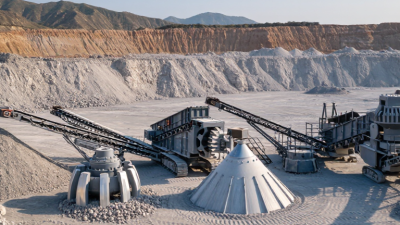
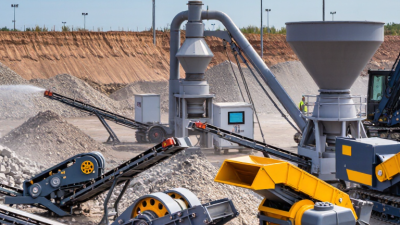
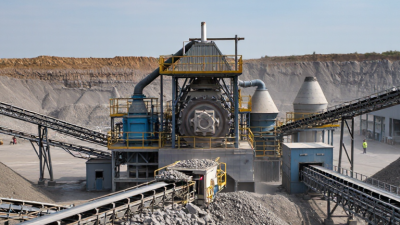
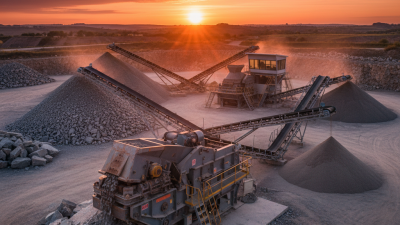
2026 Top Stone Crusher Machine Types and Prices
Choosing a Stone Crusher Machine in 2026 starts with the material, not the price tag. Hard granite, abrasive basalt, and softer limestone place different demands on crushing equipment. A machine that performs well in one quarry may struggle in another.
This guide introduces common machine types, including jaw, cone, impact, and vertical-shaft impact crushers. It explains where each option may fit, from primary rock breaking to shaping finished aggregates. You’ll also find practical price considerations. Actual quotations vary with capacity, configuration, automation, brand, shipping, and local installation costs. A headline price rarely tells the whole story.
Look beyond the purchase quote. Check the feed opening, expected output, motor power, liner life, and access to replacement parts. Ask suppliers for specifications that match your material and operating conditions. Small details matter. A tight site entrance, for example, can affect whether a mobile unit is practical. Even a careful comparison has limits: prices change, and quoted capacities may assume ideal feed conditions.
Use the information as a starting point, then confirm specifications and service support directly with qualified manufacturers or dealers. The best choice is not always the largest or cheapest machine. It is the one that meets your production needs without creating avoidable operating costs. There is no perfect shortcut. A little doubt during selection can prevent a costly mismatch later.
How Stone Crusher Machines Work and What Their Main Components Do
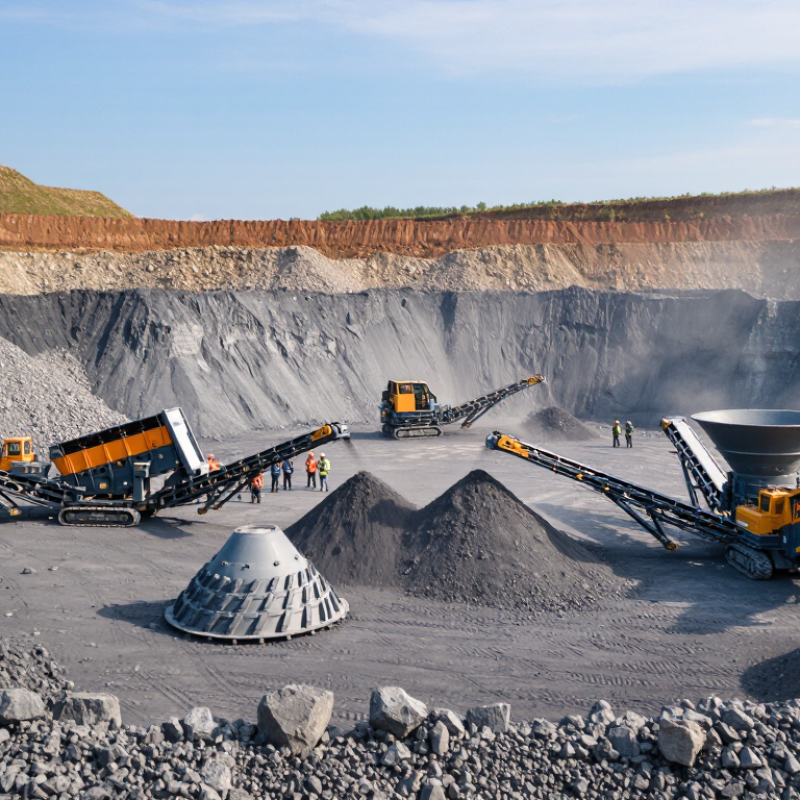
Stone crusher machines reduce rock through compression, impact, or a mix of both. The feed hopper guides material into a crushing chamber, where the machine applies force. In a jaw crusher, a moving jaw presses rock against a fixed jaw. A cone crusher squeezes material between a rotating mantle and a stationary outer surface. Impact crushers use a rotor with blow bars to strike the feed. Each design suits different materials and product sizes.
The frame supports the assembly, while an electric motor and drive system power the moving parts. Bearings help rotating shafts run smoothly, and lubrication limits friction and heat. They need regular checks. Screens separate crushed material by size; oversized pieces may return for another pass. Dust-control equipment can reduce airborne particles around transfer points. Operators should also watch for unusual vibration, rising bearing temperatures, or uneven wear. These clues can indicate a developing fault, though they do not identify its cause on their own. Settings, rock hardness, moisture, and feed consistency all affect output and component life. A small change in feed can matter. Machine specifications are useful, but real site conditions may not match a brochure’s ideal test setup.
The Main Types of Stone Crushers Available in 2026
Jaw crushers handle the first reduction of large, abrasive rock. Their moving plate presses stone against a fixed plate, producing angular material for secondary crushing. They are common at quarry feed points, where boulders arrive mixed with smaller fragments. For tighter grading, cone crushers compress rock between a mantle and bowl. They suit hard, abrasive stone and can produce consistent aggregate when feed size and settings stay controlled.
Impact crushers use fast-moving bars to break softer stone, such as limestone, and can create more cubical particles. That shape may help concrete and asphalt production, but abrasive feed can accelerate wear. Gyratory crushers serve high-capacity primary circuits, while roll crushers fit some lower-speed, controlled-size applications. There is no universal winner. Dust matters.
The USGS Mineral Commodity Summaries 2025 estimates U.S. crushed-stone output at about 1.5 billion metric tons in 2024, underscoring the scale and variety of quarry operations. This production figure is not a crusher sales statistic; it simply shows why equipment choice affects substantial material flows.
Before comparing prices, operators should check feed hardness, target product size, throughput, and maintenance access. A machine can look efficient on paper and still be a poor match for irregular feed. That rule is useful, but not perfect: actual performance depends on site conditions and operating practice.
Key Factors That Affect Stone Crusher Prices
Stone crusher prices depend less on a machine’s name than on the work it must handle. A compact jaw crusher for clean, small feed usually costs less than a high-capacity unit designed for hard rock. Capacity matters, but so do feed opening, discharge size, and required output consistency. Hard granite can require stronger frames and larger drives, while abrasive stone can wear liners faster. Wear adds cost. The same rated capacity may produce different saleable output when feed is wet, uneven, or poorly graded.
Configuration adds another layer. A stationary plant may need foundations, conveyors, screens, and electrical work. A mobile setup can cost more upfront but reduce relocation time. Motor efficiency, dust-control equipment, automation, and spare-part availability also affect the quotation. Ask whether the price includes installation, commissioning, shipping, and initial wear parts. Check exclusions carefully. Two similar-looking quotes may cover very different scopes. A low purchase price can become expensive if replacement liners are hard to source or downtime interrupts production. Still, adding every optional feature is not automatically wise. Match the specification to material tests and realistic daily operating hours, then compare expected costs over several years. Estimates remain estimates. Local freight, labor, and exchange rates can shift them, and planned output is never guaranteed output.
2026 Top Stone Crusher Machine Types and Prices - Key Factors That Affect Stone Crusher Prices
Indicative 2026 price ranges for new equipment in USD. Prices are approximate and generally exclude freight, taxes, installation, and optional auxiliary equipment. Actual capacity and cost depend on material, feed size, configuration, and supplier.
| Crusher Type |
Typical Application |
Indicative Capacity |
Indicative New-Machine Price (USD) |
Main Price Considerations |
| Jaw crusher |
Primary crushing of hard, abrasive rock such as granite and basalt |
Approximately 20–300 tonnes per hour (t/h) |
$20,000–$180,000 |
Feed opening, motor power, frame size, wear-plate material, and adjustment system |
| Cone crusher |
Secondary or tertiary crushing of hard rock into more uniform aggregate |
Approximately 30–500 t/h |
$50,000–$350,000 |
Crushing-force rating, chamber type, automation, lubrication system, and drive configuration |
| Impact crusher |
Secondary crushing of limestone and other medium-hard materials; shaping aggregate |
Approximately 30–400 t/h |
$30,000–$220,000 |
Rotor size, impact-bar material, number of curtains, and required final particle shape |
| Vertical shaft impact (VSI) crusher |
Tertiary shaping and production of manufactured sand or cubical aggregate |
Approximately 30–300 t/h |
$40,000–$280,000 |
Rotor design, feed system, wear parts, recirculation needs, and finished-product specifications |
| Hammer crusher |
Crushing softer or moderately hard, often less abrasive materials such as limestone |
Approximately 10–300 t/h |
$10,000–$100,000 |
Rotor size, hammer quantity and alloy, grate design, and material abrasiveness |
| Mobile crushing plant |
On-site crushing where mobility, quick setup, or relocation is important |
Approximately 50–500 t/h, depending on configuration |
$150,000–$1,000,000+ |
Crusher type, tracked or wheeled chassis, screens, conveyors, power system, and automation |
Key Factors That Affect Stone Crusher Prices
| Price Factor |
How It Affects Cost |
| Capacity and machine size |
Higher throughput usually requires a larger crushing chamber, stronger structure, and more powerful drive, increasing the purchase price. |
| Rock hardness and abrasiveness |
Hard or abrasive rock may require heavier-duty construction and wear-resistant parts, raising equipment and operating costs. |
| Required output size and product shape |
Tighter sizing or specific aggregate shape can require additional crushing stages, screening, or recirculation equipment. |
| Stationary versus mobile configuration |
Mobile units typically cost more because they include a chassis, mobility system, integrated conveyors, and related controls. |
| Included components and automation |
Screens, feeders, conveyors, dust-control systems, sensors, and automated controls add to the initial package price. |
| Shipping, installation, and local requirements |
Transport, foundations, commissioning, taxes, import duties, and electrical or safety requirements can materially increase total project cost. |
2026 Price Ranges by Crusher Type, Capacity, and Configuration
2026 Top Stone Crusher Machine Types and Prices
In 2026, indicative purchase prices vary widely by crusher type and setup. A stationary jaw crusher may cost about US$30,000–$250,000; cone models often range from US$80,000–$500,000. Impact crushers may fall between US$50,000 and US$350,000. Complete mobile plants can exceed US$1 million. These are planning estimates, not quotations, and typically exclude freight, taxes, installation, and spare parts. Check what each offer includes.
Capacity changes the budget quickly. A compact unit rated around 50–100 tonnes per hour usually costs less than a line handling 300 tonnes per hour or more. Larger motors, reinforced frames, automatic controls, and dust-management equipment add cost. Configuration matters, too: a standalone crusher is not comparable to a mobile plant with feeders, conveyors, and screening. Prices may shift with material hardness and required product size. That is easy to overlook.
Tips: Compare quotes at the same capacity and output size. Ask for expected wear-part life using your stone type. Request a clear list of included components and commissioning costs. A low initial price can be misleading; operating conditions matter, and estimates deserve a second look.
How to Choose a Stone Crusher for Your Material and Production Needs
Choosing a stone crusher starts with the rock, not the machine price. A jaw crusher handles large, hard feed such as granite and is often used for primary crushing. If the feed is around 400 millimeters, check the stated maximum feed size and leave a practical margin. A cone crusher can produce consistent secondary or tertiary output from hard stone. For softer limestone, an impact crusher may offer a useful balance of reduction and shape. A vertical-shaft impact crusher is suited to shaping smaller aggregate, but it may add wear costs.
Match the machine to your target output and final product size. A road-base operation needs different settings from a plant producing fine aggregate. Ask suppliers for performance figures using material similar to yours, not just ideal test rock. Moisture, clay, and changing feed sizes can reduce real throughput. Small details matter: a blocked chute or frequent liner changes can idle an otherwise capable line. Short test runs help. For 2026 budgets, compare the complete setup, including screens, conveyors, installation, power use, and replacement parts. Purchase prices vary with capacity and configuration, so a low initial quote may not mean lower operating costs. A spreadsheet helps, but it can still miss downtime; leave room for that uncertainty.
2026 Stone Crusher Types and Indicative Prices
Compare indicative purchase-price ranges for new, standalone crusher units. Prices are broad planning estimates in USD, not live quotations; actual costs depend on capacity, configuration, location, and supplier. Installation, transport, screens, and conveyors are excluded.
How to choose: Jaw crushers are commonly used for primary crushing of large, hard feed. Cone crushers suit secondary or tertiary crushing of hard, abrasive rock. Impact and hammer crushers can suit softer or less abrasive materials. VSI crushers are often selected for shaping aggregates or producing manufactured sand. Match the machine to your feed material, required output size, and production rate.