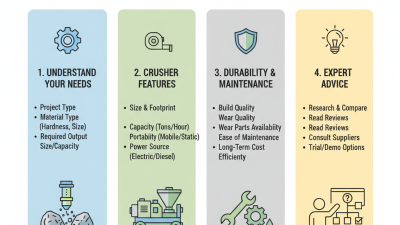
Choosing a Portable Crusher is not just a matter of comparing advertised capacity. Feed size, material hardness, site access, and product shape all affect performance. A compact jaw unit may suit a tight demolition site, while a tracked impact crusher can offer useful flexibility when feed conditions vary. The right choice depends on the work. Sometimes, the smallest machine is not the cheapest to run.
This 2026 guide compares seven portable crushers by the details that matter on site: throughput range, mobility, setup demands, maintenance access, and transport dimensions. Picture a narrow gate, uneven ground, and a loader waiting beside a pile of mixed stone. Those constraints can matter more than a polished brochure. Check the manufacturer’s current specifications and confirm that local service support can handle wear parts and routine repairs. Numbers alone are not enough.
A reliable buying guide should also include an expert’s perspective. No source material was provided to verify a named Portable Crusher specialist or an exact quotation, so I won’t invent one. That gap matters. Before choosing a machine, ask a dealer or application engineer to assess your feed material and expected operating hours. Request a realistic demonstration, if available, and compare total ownership costs—not just the purchase price. A little skepticism helps. The best fit is the machine that performs consistently at your site, under your actual conditions.
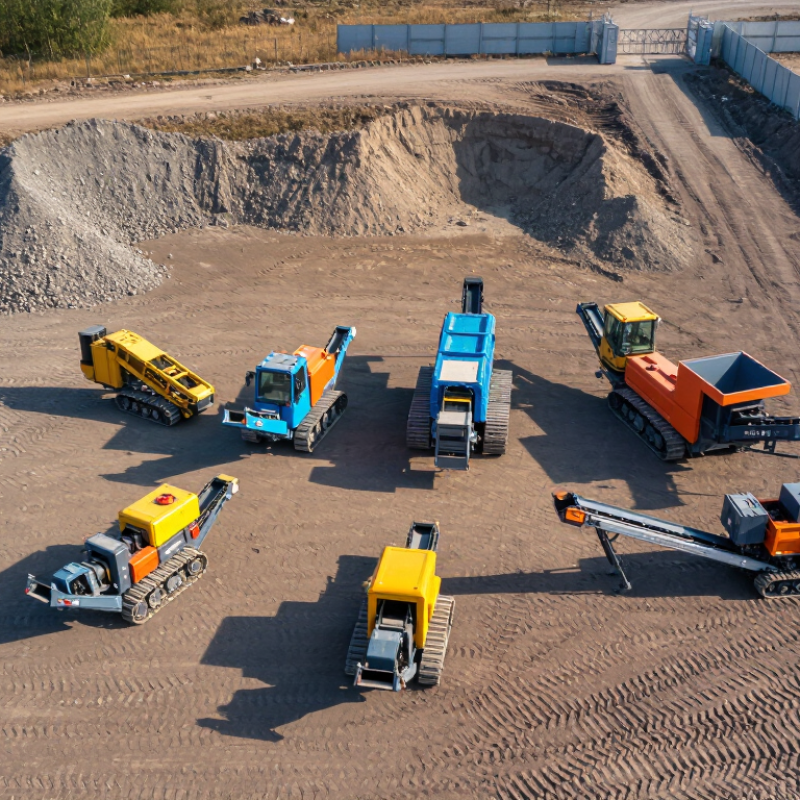
Portable crusher performance starts at the feed hopper. Match the largest rock size to the machine’s stated feed opening, and keep clay, wet fines, and oversized pieces in view. They can bridge the opening or reduce throughput. Check feed consistency, not just average size. A few large rocks can change the day.
Crushing stages shape the product. A jaw crusher commonly handles primary reduction; cone or impact units may provide further reduction, depending on rock type and target gradation. The USGS Mineral Commodity Summaries 2025 estimates U.S. crushed-stone production at about 1.5 billion tons in 2024, underscoring the scale of aggregate demand. That figure is national, not a portable-plant benchmark. Track product size and tonnage at your own site. Even a careful setup can miss how sticky fines behave after rain.
Tips: Keep a simple feed-and-product log. Inspect discharge belts for spillage, and sample material at the end of the line. If the screen is overloaded, the final gradation may drift. Small adjustments matter. Check the discharge pile for segregation, too; the pile can look uniform from a distance, but coarse rock may roll to its edges.
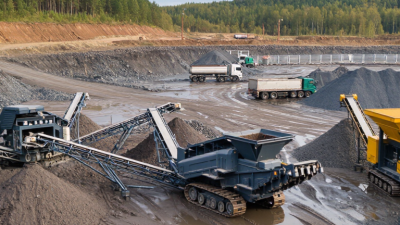
A jaw crusher’s rated TPH is useful, but it is not a promise of steady daily output. Ratings depend on feed material, moisture, closed-side setting, and how consistently the machine is loaded. Compare figures measured under similar conditions. A wet clay-rich feed can slow production, even when the rock size looks suitable. Small details matter.
Maximum feed size tells you whether large pieces can enter the chamber, not whether every piece will crush efficiently. Check the stated limit against the largest material your loader will deliver. Also consider the opening shape and the desired product size. Oversized feed can cause bridging and extra handling. That costs time.
Transport weight affects how easily a crusher can move between sites, but compare the same configuration. Hoppers, conveyors, and screening attachments may change the shipping weight. Ask whether the published figure includes them, and confirm setup requirements with the supplier. A lighter unit may be easier to relocate, yet still need more support equipment on site. Trade-offs are real. I would record rated TPH, maximum feed size, and transport weight in one comparison table, then verify each figure against the intended material and job conditions.
For a portable crusher, match the machine to both rock hardness and the product you need. Impact crushers break material with fast-moving blow bars. They can produce well-shaped aggregate from softer limestone and recycled concrete, often with fewer crushing stages. But hard, abrasive stone can wear blow bars and liners quickly. That means more downtime and operating cost. Small details matter: check the feed size, moisture, and the target screen openings before choosing.
Cone crushers use compression, making them a practical choice for harder, abrasive rock such as granite. They typically deliver more controlled, repeatable gradation in secondary or tertiary crushing, though they may need a separate shaping stage. The U.S. Geological Survey’s Mineral Commodity Summaries 2025 reports roughly 1.5 billion tons of U.S. crushed-stone production in 2024, illustrating the scale of demand for consistent aggregate. That figure does not tell you which crusher fits a specific quarry. Test samples under realistic settings when possible. A catalog spec is not the whole story. An impactor can still suit a hard-rock job in some circuits, but wear costs deserve close review.
7 Best Portable Crushers for Sale in 2026?
Portable crusher choice depends on what the site can feed, move, and power. The USGS Mineral Commodity Summaries 2025 estimates U.S. crushed-stone output at about 1.5 billion metric tons in 2024, underscoring the scale of aggregate demand. But national output does not predict one site’s throughput. Check feed size, material hardness, and the rated capacity under realistic conditions.
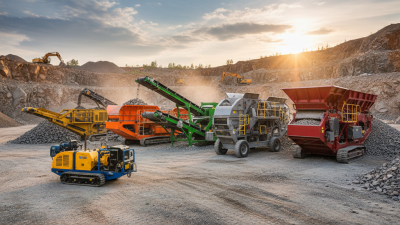
For tight sites, a compact tracked jaw is easy to reposition but has limited feed and output. A high-capacity tracked jaw suits larger rock, though its weight can complicate transport. A wheeled jaw offers road-friendly movement between prepared sites. A tracked impact crusher handles concrete and softer stone quickly, but wear can rise with abrasive feed. A compact cone unit can produce finer, consistent material, yet usually needs controlled feeding. A jaw-and-screen closed circuit cuts extra handling, at the cost of a larger footprint. A hybrid-electric jaw can reduce on-site engine hours where suitable power is available. That matters. Compare tonnes per hour, total installed power, transport width, and setup time—not headline capacity alone. A ranking can mislead; I would recheck the numbers against a sample of the actual feed.
The options below are representative portable crusher configurations, not specific product models. Capacity and power are indicative industry ranges; actual performance varies with feed material, moisture, settings, screening, and plant layout. Confirm specifications with the equipment supplier before purchase.
| Portable Crusher Pick | Crusher Type | Typical Throughput | Typical Feed Size | Mobility | Approx. Installed Drive Power | Best Suited For |
|---|---|---|---|---|---|---|
| Compact Tracked Jaw Crusher | Jaw | 20–80 metric tonnes per hour | Up to approximately 400–600 mm | Tracked; self-propelled and suited to frequent moves around smaller sites | Approximately 75–150 kW | Small demolition jobs, concrete recycling, and limited-access sites |
| Mid-Size Tracked Jaw Crusher | Jaw | 100–300 metric tonnes per hour | Up to approximately 600–900 mm | Tracked; can move between working areas without a separate road trailer | Approximately 150–300 kW | Quarrying, primary reduction, and larger concrete-recycling operations |
| Wheeled Portable Jaw Plant | Jaw | 100–400 metric tonnes per hour | Up to approximately 600–1,000 mm | Trailer-mounted; towed between sites and generally set up for longer production runs | Approximately 200–400 kW | Contractors and quarries needing a transportable primary-crushing plant |
| Tracked Impact Crusher | Horizontal-shaft impact | 100–300 metric tonnes per hour | Up to approximately 500–800 mm | Tracked; mobile on site, with a compact layout for recycling work | Approximately 200–400 kW | Concrete, asphalt, and softer-to-medium-hard materials where a cubical product is desired |
| Wheeled Impact Crusher Plant | Horizontal-shaft impact | 100–350 metric tonnes per hour | Up to approximately 500–800 mm | Trailer-mounted; practical for transport between established sites | Approximately 200–450 kW | Portable recycling and aggregate production with planned site changes |
| Tracked Cone Crusher | Cone | 100–400 metric tonnes per hour | Typically pre-crushed feed, up to approximately 200–300 mm | Tracked; often used as a mobile secondary or tertiary crushing stage | Approximately 200–500 kW | Hard, abrasive rock and consistent secondary aggregate production |
| Portable Vertical-Shaft Impact Crusher | Vertical-shaft impact | 50–250 metric tonnes per hour | Typically pre-sized feed, approximately 50–100 mm | Available in trailer-mounted or integrated portable-plant layouts | Approximately 150–400 kW | Shaping aggregate, producing manufactured sand, and refining a pre-crushed feed |
OSHA sets the permissible exposure limit for respirable crystalline silica at 50 μg/m³, averaged over an eight-hour work shift. That number matters around portable crushers, where breaking and transferring stone can create fine dust. The visible plume is only part of the story; the smallest particles may linger near an operator’s breathing zone. Check exposure with appropriate monitoring rather than judging by appearance alone.
Control dust at its source. Water sprays can damp material at the crusher and transfer points, while properly designed enclosures and exhaust ventilation may reduce airborne particles. Keep cab doors and windows closed when the cab is intended to provide protection, and maintain its filtration system. Small details matter. A clogged filter or poorly aimed spray can undermine a good setup.
Avoid dry sweeping and compressed air when they can send settled dust back into the air; use suitable cleanup methods instead. Keep records of assessments, maintenance, and worker training, and follow the applicable silica standard. Still, a damp pile does not prove exposure is controlled. Conditions change with stone moisture, wind, throughput, and maintenance, so review controls during real operating shifts.