Choosing the best Stone Crusher in 2026 is not a simple contest between machine sizes or brands. The right choice depends on rock hardness, feed size, required output, product shape, site conditions, and maintenance skills. A compact jaw crusher may suit a small quarry with limited space. A cone crusher can produce consistent aggregates from hard, abrasive rock. Impact crushers often deliver a more cubical shape, but their wear costs may rise with highly abrasive material.
It depends.
Practical experience shows that production figures alone can mislead buyers. A machine rated for 200 tons per hour may perform differently when the feed contains wet clay, oversized boulders, or uneven material. Engineers should inspect the complete process, including the feeder, screens, conveyors, electrical controls, and dust management system. Energy monitoring and remote diagnostics are becoming more valuable in 2026, especially where fuel and labor costs remain unstable. Yet newer technology is not automatically better. That matters.
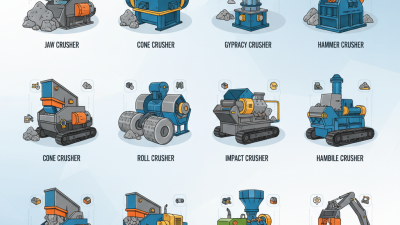
This guide compares jaw, cone, impact, gyratory, and mobile crushers through a practical lens. It considers crushing efficiency, final product quality, operating cost, safety features, service access, and expected downtime. Real-world suitability should guide the decision, not marketing language. Some recommendations may change after a site test, because laboratory results rarely capture every field condition. Buyers should verify performance data with qualified suppliers and request references from similar operations. A careful comparison can prevent an expensive mismatch and support reliable production for years.
The best stone crusher in 2026 is the one that fits the material, target size, and working conditions. A jaw crusher is often suitable for primary crushing of large, hard feed. For tighter sizing and steady production, a cone crusher may work better in a secondary stage. Impact crushers can produce well-shaped aggregate, but abrasive stone may wear their parts faster. No machine wins every job.
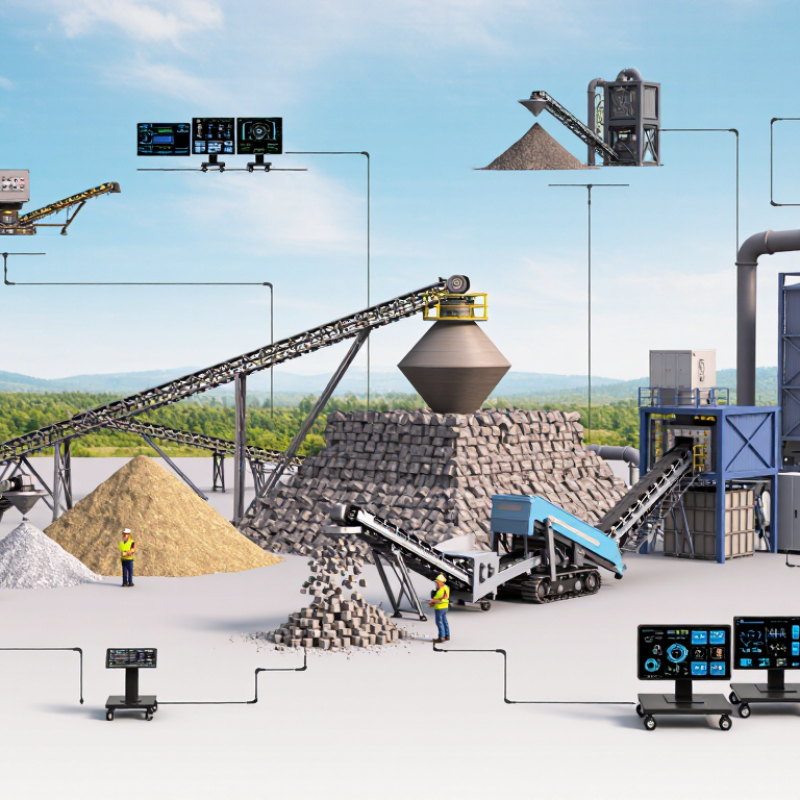
Start with a representative sample of the rock, not just a supplier’s estimate. Check its hardness, moisture, feed size, and abrasiveness. Then compare required output with the crusher’s rated capacity and the screen setup. Small details matter. Dust control, access for maintenance, and the time needed to change wear parts affect real operating costs. A mobile unit can help on changing sites; a fixed plant may suit a stable, high-volume operation. Even a careful calculation can miss downtime or uneven feed. Ask for a practical trial where possible, and check that operators can inspect and service the machine safely.
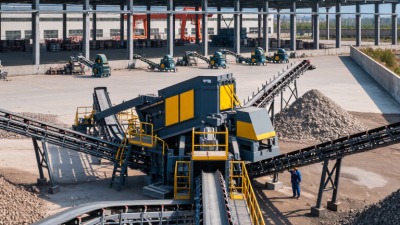
Stone size matters. A jaw crusher squeezes rock between a fixed plate and a moving plate. It commonly handles large, tough feed at the primary stage. A cone crusher uses a rotating mantle against a stationary bowl liner, reducing rock through compression. It often suits hard stone in secondary or tertiary crushing. An impact crusher throws material against blow bars and impact plates. The blows can produce well-shaped aggregate, but abrasive rock may wear its parts quickly. Different mechanisms, different trade-offs.
The U.S. Geological Survey’s Mineral Commodity Summaries 2025 estimates U.S. crushed-stone production at about 1.5 billion tons in 2024. That scale makes feed size, hardness, moisture, and desired product shape practical selection factors. A site testing hard, abrasive rock may favor compression crushing; softer rock may make impact crushing viable. These are starting points, not a substitute for a material test. A common planning blind spot is choosing by advertised capacity alone: the wrong feed can raise wear and reduce usable output. Even careful choices miss details. Check the actual rock, then compare machine settings and wear costs before specifying a crusher.
| Crusher Type | How It Works | Common Role | Suitable Feed and Materials | Main Advantages | Key Limitations | Often a Good Choice When… |
|---|---|---|---|---|---|---|
| Jaw Crusher | A fixed jaw and a moving jaw compress rock until it fractures. The crushed material falls through the opening at the bottom. | Primary crushing | Large, run-of-mine rock, including hard and abrasive materials such as granite and basalt. | Simple crushing action; accepts relatively large feed; widely used as the first stage in a crushing plant. | Usually produces a coarser, less uniform product than a finishing crusher; the product can contain elongated particles. | Large rocks need to be reduced before further processing, especially at a quarry or mine. |
| Gyratory Crusher | A gyrating inner crushing surface compresses rock against a fixed outer shell. Material moves downward through the crushing chamber. | Primary crushing, commonly in high-throughput installations | Large quantities of hard rock supplied continuously from a mine or quarry. | Designed for continuous primary crushing and high-capacity applications; accepts large feed in suitable installations. | Typically needs substantial fixed infrastructure and careful planning; may be less suitable for smaller or frequently relocated operations. | A large, steady operation needs a fixed primary crusher with continuous material flow. |
| Cone Crusher | A rotating cone compresses rock against a surrounding bowl-shaped surface. The gap between the surfaces controls the product size. | Secondary and tertiary crushing | Pre-crushed, hard or abrasive rock, such as granite, basalt, and some types of limestone. | Suitable for further size reduction; can produce a relatively consistent product when correctly configured and fed. | Generally works best with evenly fed, pre-sized material; sticky or highly wet feed can create operating difficulties. | A hard-rock operation needs a secondary or tertiary stage after primary crushing. |
| Horizontal Shaft Impact (HSI) Crusher | A rapidly rotating rotor throws material against impact plates, breaking it through impact and repeated collisions. | Primary, secondary, or recycling applications, depending on the machine and feed | Materials with suitable toughness and abrasiveness, including many limestone and recycled concrete applications. | Can achieve substantial size reduction in one stage and produce a cubical product; useful where shaping is important. | Wear parts may wear faster when processing highly abrasive feed; feed characteristics and operating settings affect results. | A cubical product or efficient processing of suitable, less-abrasive material is a priority. |
| Vertical Shaft Impact (VSI) Crusher | A high-speed rotor accelerates feed against an anvil or against a bed of material, using impact to shape or further reduce particles. | Tertiary or shaping stage | Pre-crushed material; commonly used with aggregates and manufactured sand applications. | Can improve particle shape and produce fine material; rock-on-rock operation can reduce direct contact with metal wear surfaces. | Not generally a substitute for a primary crusher; performance and wear depend on feed size, material, and operating configuration. | Material has already been reduced and the plant needs additional shaping or fine crushing. |
What Is the Best Type of Stone Crusher in 2026? The answer depends on the material, not the machine’s appearance. The U.S. Geological Survey reported about 1.5 billion metric tons of crushed stone produced in the United States in 2024. That volume highlights why reliable throughput matters. Compare feed size, rock hardness, abrasiveness, required output, and reduction ratio. A jaw crusher suits large, tough feed. A cone crusher can produce consistent, finer aggregate. An impact crusher may work well with softer, less abrasive stone.
Energy and maintenance deserve equal attention. The International Energy Agency states that industrial motors account for roughly 70% of industrial electricity consumption. A crusher with high hourly output can still waste money if it draws excessive power. Check tonnes per hour at the actual feed size, not only laboratory figures. Examine the closed-side setting, liner life, lubrication access, and adjustment time. Small delays become expensive during continuous production.
Dust control and operator safety also affect the comparison. The U.S. Mine Safety and Health Administration emphasizes engineering controls for respirable dust in mining operations. Enclosed transfer points, water sprays, and effective extraction should be assessed before purchase. My field experience suggests that wear parts often change the real cost more than the initial quotation. I may be wrong when judging from specifications alone. Local stone testing is essential. A short trial with wet, dirty feed can reveal problems that a polished brochure hides.
What Is the Best Type of Stone Crusher in 2026?
The best crusher depends on the stone, feed size, product shape, and required capacity. The U.S. Geological Survey reported about 1.5 billion metric tons of crushed stone produced in the United States in 2023. That scale shows why application-based selection matters. A jaw crusher suits large, blasted rock and primary reduction. Its simple chamber handles hard feed reliably, but the output may need further shaping. A gyratory crusher fits very high-capacity quarry operations, although its foundation and installation demands are substantial.
For softer limestone, recycled concrete, or applications requiring cubical particles, an impact crusher can be effective. It often improves shape, but wear can rise when the feed contains abrasive quartz. Cone crushers are better suited to hard, abrasive stone in secondary and tertiary stages. The Mining Association of Canada’s guidance on crushing and conveying highlights the importance of controlling dust, energy use, and maintenance exposure across these stages. Small details matter.
A mobile jaw or impact unit works well where the face changes frequently or transport distances are costly. A tracked plant can reduce site preparation, yet it may sacrifice some peak capacity. For sticky, wet material, a roll crusher may create fewer blockages than a tightly closed cone. I have seen specifications fail when moisture was treated as an afterthought. Laboratory tests, including abrasion and compressive-strength testing, should guide the final choice. The “best” type is not always the newest one.
The best crusher depends on the feed size, rock hardness, required product size, and application. This chart compares typical reduction-ratio ranges: impact crushers are often preferred for high reduction and shaping, while jaw and gyratory crushers are commonly used for primary crushing of large, hard stone. Actual results vary with material properties and equipment configuration.
Selecting the right stone crusher in 2026 starts with the material, not the machine’s advertised capacity. Test the rock’s hardness, abrasiveness, moisture, and maximum feed size before making a decision.
A jaw crusher suits primary crushing when large, irregular stones arrive directly from a quarry. It offers a simple layout and tolerates difficult feed conditions. However, its output may need secondary shaping for concrete or asphalt production.
A cone crusher is often better for hard, abrasive stone that requires consistent, smaller aggregates. It can produce a controlled gradation, but it needs stable feeding and regular wear-part inspections.
An impact crusher can create more cubical particles and works well with softer or moderately hard materials. Wet, sticky feed may reduce its efficiency. Mobile equipment fits short-term projects or changing sites, while stationary systems usually support steady, high-volume production.
Check the required hourly output, final product size, available power, dust controls, and maintenance access.
I have seen buyers focus on maximum capacity and overlook the loader’s feeding pattern. That mistake can cause uneven production and unnecessary wear.
Ask operators to review noise, visibility, service time, and emergency access. A small field trial is valuable, although it may not represent every season.
Energy use and spare-part availability should also influence the choice. The best crusher is the one that matches real feed conditions, not the one with the most impressive specification.