China Top Hydraulic Stone Crusher Manufacturer and Price
Choosing a China Top Hydraulic Stone Crusher Manufacturer and Price requires more than comparing online quotations. The right supplier should prove machine performance, production capacity, and after-sales support. A reliable Hydraulic Stone Crusher must handle demanding materials, such as granite, basalt, and limestone, with stable pressure and controlled output.
Practical evaluation starts with the crushing chamber, hydraulic system, motor brand, and wear-resistant parts. Ask for test videos, technical drawings, factory details, and recent customer references. A professional manufacturer can explain capacity, feed size, discharge range, power consumption, and maintenance intervals without hiding limitations. Site conditions matter greatly. A crusher producing 200 tons per hour in a controlled test may perform differently in a dusty quarry.
Price is only one part of the decision. The final cost may include transportation, installation, spare parts, taxes, and operator training. Warranty terms should be written clearly, including response time and replacement procedures. Independent inspections can also reduce uncertainty before shipment.
Not every low quote is a bargain. Sometimes, it reflects fewer components or weaker service. I have seen buyers focus on initial savings, then face longer downtime later. That lesson deserves attention. Even experienced purchasers can overlook humidity, voltage differences, or local stone hardness. A careful comparison should balance purchase price, lifetime operating cost, safety features, and supplier credibility. This guide examines these points with practical detail, while recognizing that no single machine fits every project.
What Is a Hydraulic Stone Crusher?
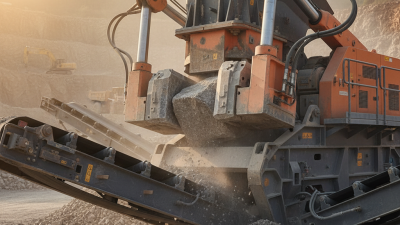
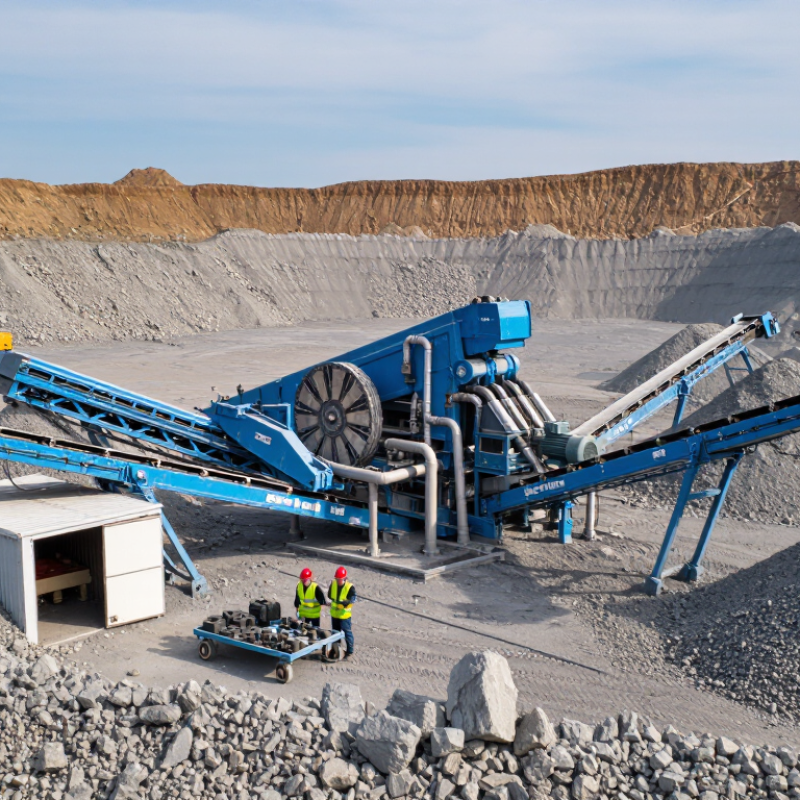
A hydraulic stone crusher uses hydraulic power to break rocks into smaller, useful sizes. In common cone designs, a hydraulic cylinder controls the crushing chamber and discharge opening. The machine compresses stone between a moving mantle and a fixed bowl liner. This action produces more consistent aggregates than simple impact crushing.
Operators can adjust the outlet while the crusher is running, depending on the model and site conditions. Hydraulic protection also helps release uncrushable metal before major damage occurs. That feature sounds simple, but poor maintenance can still cause expensive failures. I have seen oil leaks, blocked filters, and worn liners reduce output within a single shift. Regular pressure checks and clean hydraulic oil matter greatly.
A hydraulic stone crusher suits hard granite, basalt, and recycled concrete applications. Its performance depends on feed size, moisture, liner condition, and correct chamber selection. A steady feed often improves capacity more than increasing engine power. Buyers comparing prices should examine production capacity, spare-part access, energy use, and service support. The lowest purchase price may not produce the lowest operating cost. Every site behaves differently, so test data should guide the final equipment choice.
Key Types and Working Principles of Hydraulic Stone Crushers
Hydraulic stone crushers combine mechanical force with controlled oil pressure. The main types include hydraulic jaw, cone, and impact crushers. Hydraulic jaw models compress rock between a fixed plate and a moving plate. Cone crushers squeeze stone between a mantle and concave liner. Impact crushers use a rotor and adjustable hydraulic opening. Each design suits different feed sizes and material strengths.
The working principle is direct. A pump sends oil into hydraulic cylinders, creating controlled movement or chamber adjustment. Relief valves release excess pressure when uncrushable material enters. This protects shafts, liners, and frames from sudden overloads. The U.S. Geological Survey’s Mineral Commodity Summaries 2024 reported about 1.5 billion metric tons of crushed stone production in the United States during 2023. That volume shows why stable output and fast maintenance matter. Yet production capacity alone can mislead. Moisture, abrasiveness, and poor screening may reduce real performance. Price also changes with hydraulic power, automation, liner quality, and service access.
Tips: Check the feed opening against your largest rock. Measure oil temperature during long shifts. Keep relief pressure within the manufacturer’s tested range. Inspect leaks early. A small seal failure can stop a crushing line. I still find operators judging crushers only by hourly tons. That habit needs reconsideration. Energy use, product shape, and downtime often decide the real operating cost.
China Top Hydraulic Stone Crusher Manufacturer and Price - Key Types and Working Principles of Hydraulic Stone Crushers
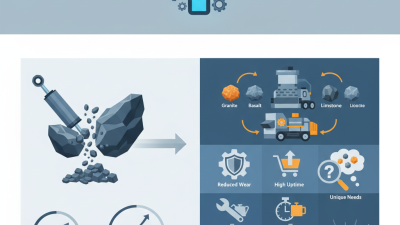
Chart overview: The chart shows representative throughput ranges for major hydraulic stone crusher types. Actual capacity depends on feed size, rock hardness, product size, chamber design, and operating conditions.
Working principles: Hydraulic jaw crushers compress material between a fixed and moving jaw. Hydraulic cone crushers reduce stone through continuous compression between a mantle and concave. Hydraulic impact crushers use high-speed rotor impact, while hydraulic gyratory crushers apply compression in a large primary crushing chamber. Hydraulic systems support adjustment, overload protection, and maintenance.
Main Specifications and Stone-Crushing Applications
China Top Hydraulic Stone Crusher Manufacturer and Price
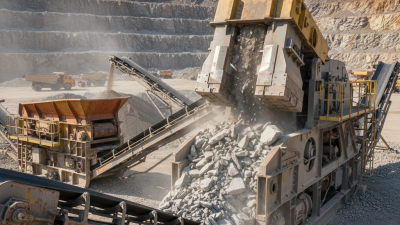
A hydraulic stone crusher uses controlled pressure to break hard rock into usable sizes. Its main specifications include feed opening, maximum feed size, output capacity, motor power, and discharge range. A wider feed opening accepts larger blasted stones, reducing preparation work. Typical output may range from 50 to 500 tonnes per hour, depending on the model and material. Hydraulic adjustment helps operators control the final product size during production.
These crushers suit limestone, granite, basalt, river stone, and recycled concrete. They support road construction, quarry production, aggregate plants, and building projects. Granite demands stronger wear protection than softer limestone. Moisture and clay can also reduce feeding efficiency. Price depends on crushing capacity, steel quality, hydraulic components, automation, and transport distance. A low purchase price may bring higher maintenance costs later. It is easy to overstate performance without testing the actual stone.
Tips: Check the feed size before selecting equipment. Request a practical capacity test. Inspect hydraulic hoses, safety controls, and wear parts regularly. Keep records of output and energy use. Small operating changes can affect product shape. Perfect results are not guaranteed.
China Top Hydraulic Stone Crusher Manufacturer and Price - Main Specifications and Stone-Crushing Applications
| Crusher Type |
Typical Feed Size |
Typical Product Size |
Processing Capacity |
Installed Power |
Main Hydraulic Functions |
Suitable Stone-Crushing Applications |
Indicative China Price |
| Hydraulic Jaw Crusher |
Up to 900 mm, depending on chamber size |
50–200 mm |
50–1,200 t/h |
75–315 kW |
Hydraulic overload protection, closed-side setting adjustment, and cavity clearing |
Primary crushing of granite, basalt, limestone, river stone, concrete, and recycled aggregates |
US$25,000–120,000 |
| Hydraulic Cone Crusher |
35–560 mm, according to cavity configuration |
6–75 mm |
60–1,000 t/h |
90–630 kW |
Hydraulic setting adjustment, tramp-iron release, and overload protection |
Secondary and tertiary crushing of hard rock, aggregates, iron ore, copper ore, and railway ballast |
US$35,000–180,000 |
| Hydraulic Impact Crusher |
Up to 800 mm |
0–80 mm |
100–700 t/h |
132–710 kW |
Hydraulic adjustment of impact plates and hydraulic opening for maintenance |
Shaping and crushing of limestone, dolomite, recycled concrete, asphalt, and medium-hard aggregates |
US$30,000–150,000 |
| Hydraulic Gyratory Crusher |
Up to 1,500 mm |
100–300 mm |
1,000–5,000 t/h |
400–1,200 kW |
Hydraulic main-shaft adjustment, overload release, and chamber clearing |
High-capacity primary crushing in large quarrying, mining, and aggregate production plants |
US$150,000–450,000 |
| Hydraulic Roll Crusher |
Up to 150 mm |
3–50 mm |
30–500 t/h |
45–400 kW |
Hydraulic gap adjustment and overload protection |
Fine crushing of limestone, coal, gypsum, marl, salt, and other medium-soft materials |
US$20,000–100,000 |
| Crawler-Mounted Hydraulic Crusher |
Up to 1,000 mm |
20–200 mm |
100–600 t/h |
180–600 kW |
Hydraulic track drive, crusher adjustment, and integrated feeding and discharge controls |
Quarry face operations, road construction, demolition waste recycling, and temporary crushing sites |
US$120,000–400,000 |
| Mobile Hydraulic Crushing Plant |
Up to 1,200 mm |
20–250 mm |
100–800 t/h |
200–800 kW |
Hydraulic folding, feeding, discharge, crusher setting, and conveyor-position control |
Portable aggregate production, construction waste recycling, mining overburden, and site-to-site projects |
US$100,000–350,000 |
Price ranges are indicative equipment-only export prices in US dollars for standard configurations. Actual prices vary according to crusher size, liner material, automation, feeder and screen configuration, motor specifications, mobile chassis, spare parts, shipping, installation, and project capacity. Final selection should be based on material hardness, maximum feed size, required product grading, moisture content, and target throughput.
Factors Affecting Hydraulic Stone Crusher Prices in China
Hydraulic stone crusher prices in China vary widely because machines are built for different working conditions. A compact unit for small quarry production costs less than a heavy crusher handling several hundred tons per hour. Capacity, motor power, crushing chamber design, and frame thickness directly influence the quotation.
Material hardness also matters. Granite usually demands stronger wear parts than limestone, increasing both purchase and maintenance costs. Hydraulic protection systems, adjustment controls, dust-reduction equipment, and automation can raise the initial price. However, these features may reduce downtime on a busy site. In my experience, buyers often compare only the machine price and overlook installation, electrical work, spare parts, and inland transport.
The final cost can change with steel prices, exchange rates, export packing, and destination freight. Supplier experience is important, but technical evidence matters more. Ask for capacity tests, component specifications, warranty terms, and service response times. A clear quotation should separate the crusher, motor, wear parts, and optional equipment. Hidden costs appear later.
A low quotation can be misleading. The cheapest machine may use thinner liners or offer limited adjustment accuracy. That does not make every expensive model reliable. Site geology, feeding size, moisture, and daily operating hours should guide the decision. Rechecking these details before payment is wise, though even careful estimates can miss unexpected installation problems.
How to Choose a Reliable Chinese Hydraulic Stone Crusher Manufacturer
China Top Hydraulic Stone Crusher Manufacturer and Price
Choosing a reliable Chinese hydraulic stone crusher manufacturer requires more than comparing quotations. The USGS Mineral Commodity Summaries 2024 estimates that the United States produced about 1.5 billion metric tons of crushed stone in 2023. This scale shows why stable output, safety, and maintenance access matter. A low price can become expensive after repeated downtime. Ask for production records from projects using similar rock, feed size, and moisture conditions. Request a live factory inspection, not only edited videos. Check machining accuracy, weld quality, hydraulic hose protection, and spare-parts storage. These details reveal practical manufacturing experience.
Tips: Compare total ownership cost, not only the machine price. Verify ISO 9001 certification, material certificates, warranty terms, and response times. The European Commission’s Machinery Regulation framework also highlights risk assessment and technical documentation. Confirm whether the supplier can provide guarding, emergency-stop systems, manuals, and commissioning support for your destination. Ask for a test report using your actual stone sample. It may expose an uncomfortable truth: the quoted capacity could be optimistic.
A dependable supplier should explain pressure settings, liner wear, oil filtration, and expected maintenance intervals clearly. Ask for references with contactable operators. Review contract details carefully, including inspection, delivery, training, and replacement parts. Hydraulic systems dislike contamination. One overlooked seal can stop a production line. Price matters, but transparent evidence matters more.