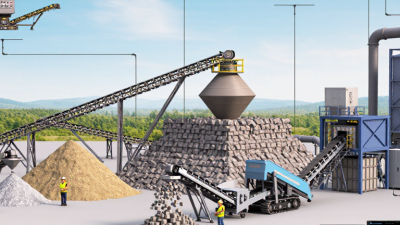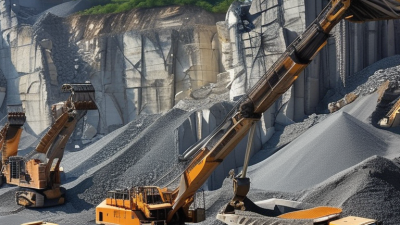
Choosing a Stone Crusher is a practical decision, not a catalogue exercise. The right machine must suit the rock, the required product size, and the conditions at the site. A crusher that handles hard granite may not be the best fit for softer limestone. Feed size matters, too. Oversized material can strain the machine, while inconsistent feed can disrupt production. These details are easy to underestimate.
Mineral-processing author Dr. Barry Wills offers a useful technical perspective through his work on how materials behave during processing. A practical rule for this guide is: “Match the crusher to the material and the product you need.” That is an editorial summary, not a verbatim quotation. The ten tips ahead examine crusher type, capacity, feed characteristics, finished-product requirements, wear parts, maintenance access, energy use, safety features, supplier support, and total operating cost. Look closely at the actual site: dusty walkways, limited lifting clearance, or a long haul to replacement parts can change what “best” means. Numbers on a brochure help, but they do not tell the whole story. A tidy specification sheet can still hide a poor fit. Even careful selection cannot remove every trade-off; buyers should check assumptions against real operating conditions before committing.
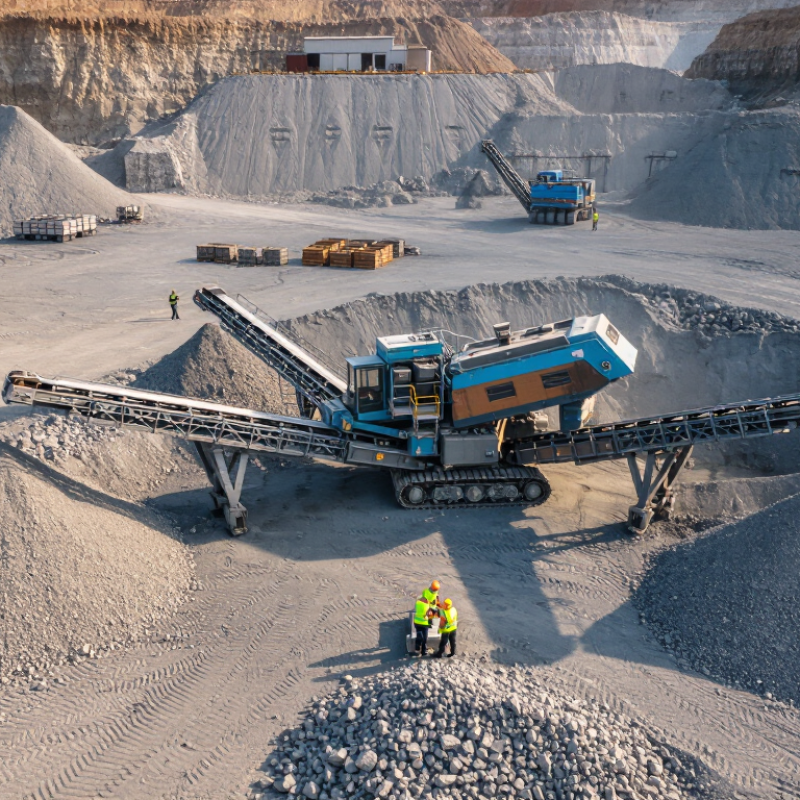
10 Tips for Choosing the Best Stone Crusher
Assess Your Project Requirements and Production Goals
Before comparing crusher types, define the rock and the job. Is the feed hard granite, softer limestone, or mixed demolition material? Note its maximum size, moisture, and abrasiveness. A few buckets from one part of the site may not represent the whole deposit, so inspect several samples. Be specific. Record the finished sizes your customers need, such as base material or evenly graded aggregate, and check whether screening is part of the line.
Set a realistic production target in tons per hour, based on actual working shifts rather than a machine’s headline capacity. Allow for loading gaps, blockages, maintenance, and changes in feed. A crusher that meets the target only under ideal conditions may leave trucks waiting on a busy day. Think about the site, too: available space, power supply, haul distance, and whether the plant must move between work areas. Ask suppliers for performance estimates using your material and required output sizes. Then compare those estimates with a sample test or a similar operating site. Estimates can still miss. That uncertainty is worth discussing before purchase.
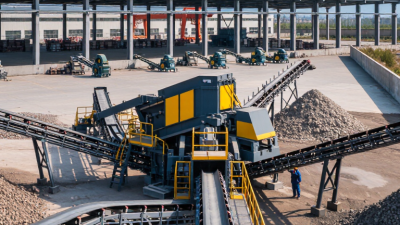
Tip 1: Identify the stone before comparing crusher capacity. Hard, abrasive granite usually needs a jaw crusher for primary reduction, followed by a cone crusher for smaller, more consistent material. Softer limestone can often be processed with an impact crusher. Check the stone’s abrasiveness, moisture, and feed size; these details affect wear and throughput.
Tip 2: Define the finished product by its actual use. Road base can tolerate a broader size range, while concrete and asphalt mixes need controlled grading and suitable particle shapes. Impact crushers can create more cubical particles, but may wear faster on abrasive rock. A cone crusher can offer better control for secondary crushing. Trade-offs matter.
Tip 3: Match the screen and crusher together. A crusher may produce the target size on paper, yet a poorly selected screen can send oversize stone back repeatedly. Ask for a test using representative feed, not a perfect sample. Measure output sizes and inspect the shape. This step is easy to overlook. Also allow for changes in the quarry face; stone rarely stays uniform all day.
| Tip | Selection factor | Stone or operating condition | Crusher type to consider | Typical product or role | What to check |
|---|---|---|---|---|---|
| 1 | Match the crusher to the stone’s hardness | Hard, tough rock such as granite or basalt | Jaw crusher for primary reduction; cone crusher for secondary or tertiary crushing | Coarse feed and graded aggregates | Review test results and the crusher’s stated application limits. |
| 2 | Consider abrasiveness | Highly abrasive rock, including many hard igneous rocks | Jaw and cone crushers are commonly considered; use impact crushing selectively | Aggregate with controlled wear-part consumption | Compare expected wear, liner life, and maintenance access. |
| 3 | Account for stone toughness and desired shape | Tough rock where particle shape is important | Cone crusher; a vertical-shaft impact (VSI) crusher may be used for shaping | More cubical aggregate or shaped particles | Confirm the full circuit can meet the required shape specification. |
| 4 | Choose impact crushing for suitable feed | Limestone and other relatively soft, less abrasive stone | Impact crusher for primary or secondary reduction, depending on feed size and design | Well-shaped aggregate and a relatively high proportion of fines | Assess wear costs if the feed contains hard or abrasive material. |
| 5 | Match the machine to feed size | Large run-of-quarry rock or a feed with variable lump sizes | A properly sized jaw crusher is commonly used as the primary stage | Reduced material suitable for downstream crushing | Check maximum feed size, opening dimensions, and any oversize handling needs. |
| 6 | Plan for the required final size and grading | Projects requiring specified aggregate size fractions | A staged circuit using a primary crusher, secondary crusher, and screens | Separated, saleable size fractions | Allow for screening, recirculation, and crusher setting adjustments. |
| 7 | Evaluate moisture, clay, and fines | Wet or sticky feed, or stone coated with clay | Select a crusher and feeding arrangement suited to the material; consider scalping before crushing | More consistent feed to the crushing stages | Check for choking or buildup and whether washing or feed preparation is needed. |
| 8 | Decide whether manufactured sand is required | Crushed rock intended for a controlled fine product | VSI crusher, often used as a shaping or tertiary stage | Manufactured sand and finely shaped aggregate | Verify target grading, fines limits, moisture control, and screening requirements. |
| 9 | Size capacity for the whole plant | Operations with a defined hourly production target | Any suitable crusher type, selected as part of the complete circuit | Steady throughput across crushing and screening stages | Consider feed variability, bottlenecks, downtime, and the capacity of downstream equipment. |
| 10 | Include site layout and operating needs | Temporary jobs, multiple sites, or limited plant space | Mobile or stationary jaw, cone, or impact plant, chosen for the application | Crushing setup suited to the site and material flow | Compare transport, setup, power, dust control, safety, and maintenance access. |
Compare a stone crusher’s stated capacity with your actual feed, not a brochure’s ideal conditions. Ask whether the figure describes continuous production or a short peak. Check feed size, rock hardness, and moisture; wet, sticky material can slow feeding and clog screens. Numbers need context. A plant processing 100 tons per hour on dry, uniform stone may perform differently with mixed quarry rock. Request a trial using representative material, and record tonnes per hour over a full shift.
Efficiency is more than low power use. Compare energy per ton alongside downtime, wear-part life, and the time needed to clear blockages. Then inspect output quality: measure the required size fractions and note excess fines, oversize pieces, and variation between samples. Small differences matter. Adjusting the crusher gap can change both particle shape and throughput, so compare settings under similar operating conditions. Ask operators how often they change settings and replace worn parts; maintenance records offer useful evidence. Real feed varies. Even careful estimates miss something, and a sample test may not capture seasonal moisture or changing rock layers. Check whether downstream screens can handle the crusher’s actual output.
Compare capacity, efficiency, and output quality. The chart shows indicative throughput ranges by crusher type.
These broad ranges are indicative, not a like-for-like equipment rating. Actual throughput depends on feed size, rock hardness, moisture, crusher settings, and plant configuration. Check energy use per tonne and the required product size and shape against the specific machine’s performance data.
10 Tips for Choosing the Best Stone Crusher
Durability shows in the parts that take repeated impact: the crushing chamber, liners, bearings, and frame. Ask what materials these components use and how wear is measured. Look for uneven wear. It can signal poor alignment or inconsistent feed, though a quick visual check cannot confirm the cause. If possible, inspect a machine after it has run under conditions similar to your site. A clean showroom unit tells you little about dust, vibration, or heat over a full shift.
Maintenance needs affect real production, not just the service schedule. Check whether common wear parts are easy to reach and replace, and ask how long routine inspections usually take. Downtime adds up. Confirm that manuals include clear lubrication points, inspection intervals, and troubleshooting steps. A low purchase price can look attractive, but it may not stay attractive if parts are difficult to source. I would not assume every operator follows the ideal schedule; simple access and clear instructions make regular care more realistic.
Safety features deserve the same attention as crushing capacity. Guards should cover moving belts and pinch points, while emergency stops should be visible and reachable from normal work areas. Check that warning labels remain legible and that maintenance access does not require awkward reaches near moving parts. Small gaps matter. A checklist helps, but it cannot replace a site-specific risk review. Even a well-designed machine can be used unsafely when the work area is crowded or procedures are unclear.
A stone crusher’s purchase price is only one part of its cost. Estimate freight, site preparation, electrical work, installation, and operator training before comparing quotes. Then calculate expected fuel or power use, wear-part replacement, and routine maintenance across several years. A jaw plate may look inexpensive on paper, but frequent replacement can add up quickly. Not the whole picture. Ask suppliers which operating assumptions their estimates use, and check them against your material, daily tonnage, and working hours.
Supplier support affects costs too. Confirm how quickly common parts can be shipped and whether technicians can help with setup, troubleshooting, and maintenance planning. Request clear warranty terms and a parts list, not just a general promise of service. If your site is remote, a delayed screen or bearing can keep the whole line idle. Ask for realistic response times and local stock details. A spreadsheet can still miss the cost of an unexpected shutdown; leave room for uncertainty. I would compare support commitments in writing, though written terms cannot prevent every delay. Check references from operations with similar feed sizes and conditions, and ask what support was like after installation—not only during the sale.